
- $76.5 million: Pinewood.AI's acquisition of Lithia's stake in its US arm to expand market presence
- 20+ sessions: NADA 2026 focuses on AI's role in automotive retail
- No-API approach: Pi operates at the browser level, bypassing costly API integrations
Experts view Pi as a transformative tool for dealerships, augmenting human capabilities by automating repetitive tasks while maintaining oversight for security and control.
Pinewood.AI Debuts 'Digital Worker' to Automate Dealerships
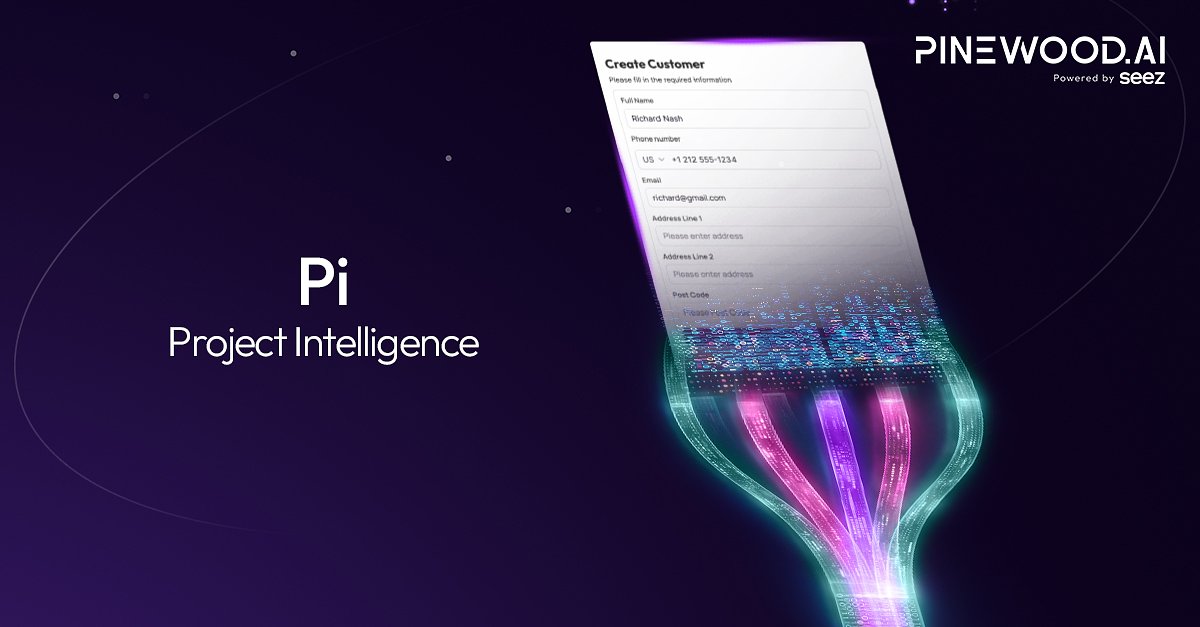
LAS VEGAS, NV – February 03, 2026 – In a move that could fundamentally reshape the operational backbone of automotive retail, Pinewood.AI today debuted its groundbreaking autonomous AI agent, code-named Project Intelligence (Pi). Unveiled at the NADA 2026 show, Pi is designed to function as a “digital worker,” capable of executing complex and repetitive tasks across the myriad of disconnected software systems that dealerships rely on daily.
The solution, developed by Pinewood.AI’s specialized automotive AI division Seez, represents a significant leap beyond current AI tools like chatbots or recommendation engines. Instead of merely providing suggestions, Pi is built to do the work—logging into portals, navigating complex workflows, completing forms, and extracting data just as a human employee would, but with the speed and accuracy of a machine.
“Dealership teams lose countless hours each day to repetitive, system-to-system work that adds no value for customers,” said Bill Berman, CEO of Pinewood.AI, in a statement. “Pi changes that dynamic. It acts as a digital worker inside the systems dealers already use, handling operational friction so teams can focus on selling vehicles, supporting customers, and growing revenue.”
A 'No-API' Revolution
What sets Project Intelligence apart is its core technology. Unlike traditional enterprise software that relies on complex and often costly Application Programming Interfaces (APIs) for integration, Pi operates at the browser level. This means if a task can be performed by a human in a web browser, Pi can learn to do it autonomously. This approach effectively bypasses the need for custom development or system overhauls, a major hurdle for many dealerships, particularly those using legacy or proprietary platforms that lack modern APIs.
This “no-API” methodology allows the AI agent to interact with dealership management systems (DMS), OEM portals, and third-party websites seamlessly. Built with a sophisticated multi-agent architecture and powered by Large Language Model (LLM) reasoning, Pi can perceive on-screen context, decide the next best action, and execute steps in real-time. While this screen-level automation is reminiscent of Robotic Process Automation (RPA), Pinewood.AI emphasizes Pi's advanced cognitive abilities to adapt to changing screens and workflows.
However, this level of automation brings inherent questions about control and security. Pinewood.AI appears to have anticipated this, building in a “human in the loop” oversight system. This feature allows dealership staff to monitor Pi’s progress, validate its actions, and intervene instantly if necessary, providing a critical safety net and ensuring that human judgment remains central to the process.
Reshaping the Dealership Workforce
The introduction of a capable “digital worker” like Pi inevitably raises questions about its impact on the human workforce. The company frames the technology not as a replacement for employees, but as a tool for empowerment. By offloading the most tedious and time-consuming administrative tasks—like transferring vehicle data between systems or processing routine paperwork—the technology aims to free up staff for higher-value activities.
This could allow sales teams to spend more time building relationships with customers, service advisors to focus on complex diagnostic issues, and managers to concentrate on strategic growth. In an industry plagued by high employee turnover, often linked to burnout from monotonous work, automating operational friction could significantly improve job satisfaction and retention.
This shift aligns with a broader conversation dominating NADA 2026, where over 20 educational sessions are dedicated to AI's role in the dealership. The consensus among industry leaders is that AI's true power lies in augmenting human capabilities, not replacing them. The future dealership workforce will likely require new skills centered on collaborating with AI systems, analyzing data-driven insights, and supervising automated processes, transforming roles rather than eliminating them.
Pinewood.AI's Strategic Push for Market Dominance
The launch of Project Intelligence is not an isolated event but the calculated next step in Pinewood.AI's aggressive strategy to solidify its position as a dominant force in automotive technology. The company's trajectory has been marked by strategic acquisitions and significant growth since becoming an independent entity in 2024.
The cornerstone of this strategy was the acquisition of Seez, a leading automotive AI platform, in early 2025. This move brought world-class AI talent and technology in-house, directly leading to the development of Pi. The acquisition immediately boosted Pinewood.AI's capabilities, integrating Seez's proven AI chatbot and predictive analytics tools into its broader platform.
This technological push is backed by strong financial performance and major contract wins. The company has secured long-term deals with major automotive groups like Global Auto Holdings and Volkswagen Group Japan. Furthermore, Pinewood.AI recently solidified its North American expansion by agreeing to buy out partner Lithia's stake in its US arm for $76.5 million, paving the way for a massive rollout across Lithia's extensive network of stores. This combination of technological innovation and aggressive market expansion positions Pinewood.AI as a formidable competitor to established DMS providers like CDK Global and Cox Automotive.
As Tarek Kabrit, CEO of Seez, stated, this technology marks a fundamental change in how the industry should perceive artificial intelligence. “Pi represents a shift from AI as a support tool to AI as an operational teammate, working alongside existing staff,” he explained. “This is about enabling software that can actually do the work reliably, securely, and at scale inside the complex reality of automotive retail.”
With live demonstrations running throughout NADA 2026, the industry now has a front-row seat to what Pinewood.AI is billing as the future of dealership operations. The coming months will reveal whether this browser-based digital worker can truly deliver on its promise to untangle the web of administrative tasks that has long constrained efficiency in the automotive world.