
- 15,000 to 20,000 active players in Austin, with 65% under 40 years old
- 92% utilization rates at existing dedicated courts in Austin
- $1.5 billion market value in 2023, projected to reach $4.4 billion by 2033
Experts view PickleRage's entry into Austin as a strategic move to capitalize on the city's booming pickleball demand, though success will depend on differentiating its premium indoor experience in a highly competitive market.
PickleRage Serves Up Austin Debut in Crowded Pickleball Market
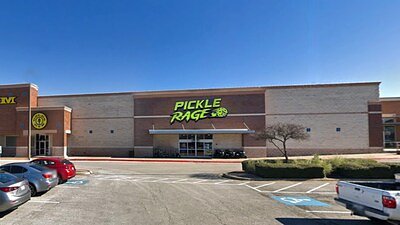
AUSTIN, TX – January 22, 2026 – The intense competition for pickleball dominance in Austin is heating up as PickleRage, a premier indoor pickleball club franchise, announced its official entry into the Texas market. The company plans to open a nine-court facility in the Anderson Arbor shopping center in Northwest Austin, with an anticipated launch in the second quarter of 2026.
The move marks a significant milestone for the franchise, founded in 2023, as it plants its flag in a city often dubbed "America's Pickleball Capital." Situated at 13435 N US Highway 183, the new club will be owned and operated by local franchisees Dwarakesh Subramanian, Sai Talasia, and Sivanaga Kukkapalli. Their challenge will be to capture a share of a market already saturated with existing venues and fierce competition, yet still characterized by soaring player demand.
A Premium Bet in America's Pickleball Capital
PickleRage is betting that a premium, community-focused experience can differentiate it in the bustling Austin scene. The facility will feature nine indoor courts with pro-level CushionX playing surfaces, a specialized material designed to reduce body impact and enhance play. Beyond the courts, the club promises a player lounge and retail offerings, all managed through a seamless technology platform for reservations and check-ins.
"Austin's culture is built around movement, connection, and community, and pickleball fits right in," said franchisee Dwarakesh Subramanian in the announcement. "PickleRage delivers an elevated indoor experience that brings people together, whether they're new to the game or seasoned competitors. We're proud to bring this concept to Austin and create a space where the community can play, socialize, and have fun year-round."
This strategy directly targets the city's unique player base. With an estimated 15,000 to 20,000 active players, Austin boasts one of the youngest pickleball demographics in the nation, with nearly 65% of players under the age of 40. This demographic has shown a strong willingness to pay for high-quality facilities and organized programming. Existing dedicated courts in the city report utilization rates as high as 92%, signaling that despite a growing number of options, demand continues to outpace supply.
The National Franchise Gold Rush
The Austin opening is a key piece of PickleRage’s aggressive national expansion strategy. The company aims to open more than 500 clubs across the country within the next five years, leveraging a franchise model to achieve rapid growth. This approach is becoming the industry standard as companies race to capitalize on pickleball's explosive popularity.
Nationally, pickleball has been the fastest-growing sport in America for four consecutive years, with some estimates placing the number of U.S. players as high as 48.3 million. The market, valued at $1.5 billion in 2023, is projected to surge to $4.4 billion by 2033. This has created a modern-day gold rush for entrepreneurs and investors looking to build the infrastructure for the sport's next phase.
"Texas is an important growth market for PickleRage, and Austin represents everything we look for in a new location," said David Smith, the company's Chief Operating Officer. "From the city's rapid population growth to its active, social lifestyle, this expansion allows us to meet rising demand with a best-in-class indoor pickleball experience."
The Rise of the Indoor Pickleball Club
PickleRage's model epitomizes a major trend in the sport: the shift from repurposed tennis courts and public parks to dedicated, climate-controlled indoor facilities. This evolution addresses key limitations of outdoor play, particularly in climates like Texas with intense summer heat and unpredictable weather. Indoor clubs guarantee year-round play in a controlled environment with consistent lighting and professional-grade surfaces.
More importantly, these facilities are designed to be community hubs. PickleRage plans to offer a full slate of programming, including leagues, lessons, clinics, and social events, fostering the communal spirit that has been crucial to pickleball's appeal. From a business perspective, the model is highly efficient. An indoor pickleball court can generate two to three times the revenue per square foot compared to a tennis court, thanks to higher density and utilization rates that often exceed 80% during peak hours.
This trend has seen operators nationwide converting large, vacant retail spaces—like the one PickleRage will occupy in the Anderson Arbor shopping center—into sprawling pickleball venues, breathing new life into traditional brick-and-mortar commercial real estate.
Navigating a Crowded Court
While the demand is undeniable, PickleRage is not entering an empty arena. Austin's pickleball scene is already home to major players, including the expansive Austin Pickle Ranch and the country-club-style Other Racquet Social Club. Furthermore, national competitors like The Picklr and Pickleball Kingdom have also announced multi-location expansion plans in the Austin metropolitan area.
Just recently, plans were unveiled for a 17-court venue with a restaurant and beer garden in South Austin, also slated for an early 2026 opening. This intense competition underscores the city's status as a critical battleground for pickleball brands. However, the consistent data on court shortages and waitlists suggests the market has not yet reached its saturation point.
Success for PickleRage will hinge on its ability to deliver on its promise of a superior player experience and cultivate a loyal community. Its focus on high-tech reservations, professional-quality courts, and robust social programming will be put to the test against a landscape of formidable and well-funded competitors, all vying for the hearts and wallets of Austin's passionate players.
Topics & Related
Revenue
Financial Services
Software & SaaS
Industry 4.0
Related Company Pulse