
- 1,000+ attendees at the Cairo cultural fair celebrating Chinese New Year
- 300+ high-profile participants at the Rabat event, including diplomats from 40+ countries
- Strategic partnerships with the League of Arab States and ICESCO to deepen China-Arab ties
Experts view these cultural events as a strategic tool for China to strengthen its soft power and geopolitical influence in the MENA region, fostering goodwill and support for its Belt and Road Initiative.
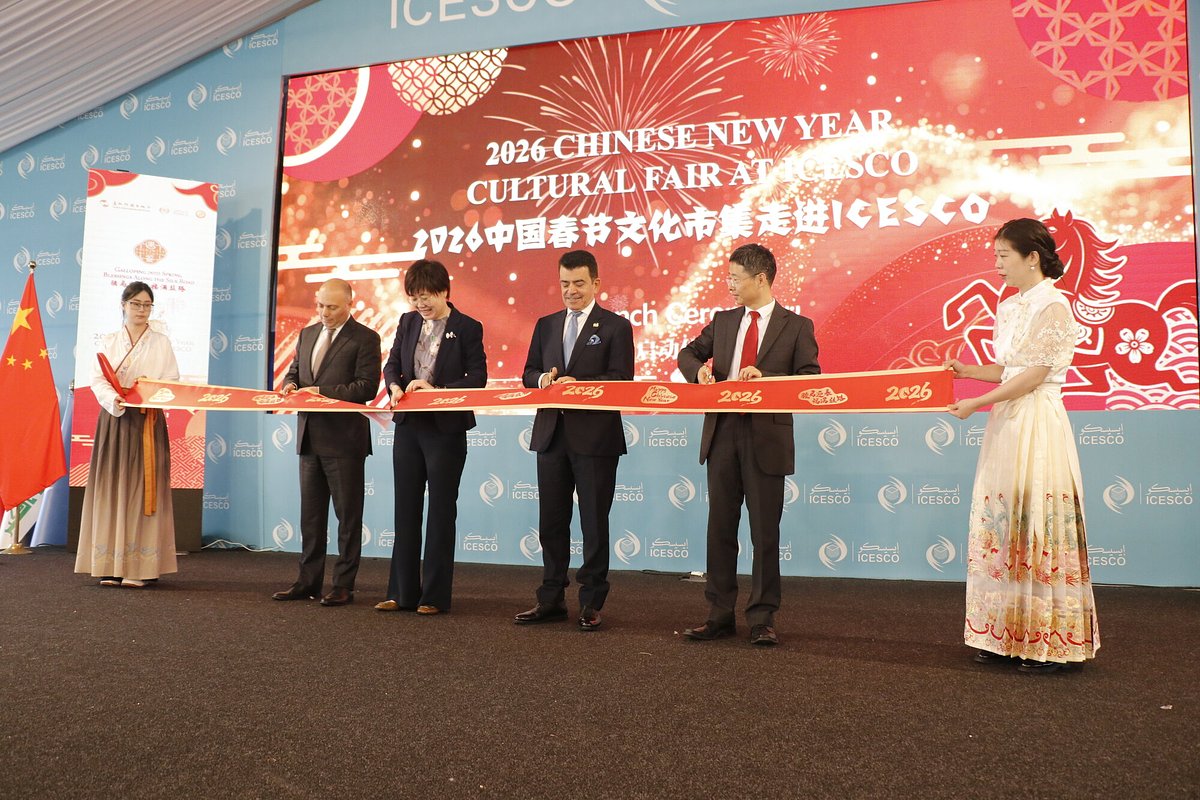
Hoofbeats on the Silk Road: China's New Year Diplomacy in the Arab World
CAIRO, Egypt – February 13, 2026 – As the Year of the Horse galloped in, the vibrant sounds and colors of the Chinese New Year filled the air in two key Arab capitals. In early February, large-scale cultural fairs in Cairo and Rabat drew thousands of participants to celebrate the Spring Festival, marking a significant and festive moment in China-Arab relations. But beyond the spectacular lion dances and intricate craft workshops, these events represent a carefully orchestrated movement in China's broader strategy of cultural diplomacy, aimed at strengthening its influence and partnerships across the Middle East and North Africa (MENA).
Hosted by China Intercontinental Press and local partners, the fairs were meticulously designed to be more than just celebrations. They were immersive experiences intended to build what Chinese foreign policy terms a “community with a shared future for mankind.”
A Bridge of Civilizations
The events were grand in scale and ambition. The Cairo fair, themed “Hoofbeats on the Silk Road, A Symphony of the New Year,” took place on February 8. Organized with the Bayt ElHekma Cultural Group, it attracted over 1,000 attendees who engaged with intangible cultural heritage exhibitions, traditional music, and interactive experiences designed to foster a sense of shared celebration.
A few days later, on February 11, the festivities moved to Rabat, Morocco. The “Galloping into Spring, Blessings Along the Silk Road” fair was held at the headquarters of the Islamic World Educational, Scientific and Cultural Organization (ICESCO). The event drew a high-profile crowd of over 300, including diplomats from more than 40 countries, former Moroccan government ministers, and representatives of Chinese enterprises. Attendees were treated to a dazzling array of performances, from martial arts demonstrations to traditional music, alongside workshops in classic Chinese arts like rubbing and sachet making.
The official statements surrounding the fairs consistently emphasized a narrative of mutual respect and deepening dialogue. Yousef Bader Meshari, Director of the Culture and Dialogue of Civilizations Department at the Secretariat of the League of Arab States, described the Cairo event as “a vivid reflection of the deepening dialogue between Chinese and Arab civilizations.”
This sentiment was echoed in Rabat by Dr. Salim M. Almalik, the Director General of ICESCO. He noted that cooperation with China is “anchored in trust and a shared belief in the power of knowledge to connect peoples.” He expressed his hope that the Year of the Horse would energize collective efforts toward prosperity and peace, framing the cultural exchange within a larger context of global cooperation.
Soft Power on the Modern Silk Road
These celebrations are a textbook example of soft power—the use of cultural and economic influence to shape the preferences of others. For China, cultural diplomacy is not an afterthought but a central pillar of its foreign policy, intricately linked to its global ambitions. Organizations like the China Intercontinental Press are key players in this state-backed endeavor, tasked with promoting Chinese culture and narratives on the world stage.
This strategy has been refined under successive Chinese leaders, who have emphasized strengthening public and humanities diplomacy to enhance the nation's international appeal. The goal is to project an image of China as a cooperative global partner, contrasting with the interventionist policies often associated with Western powers. By focusing on shared history, cultural appreciation, and mutual economic development, China aims to build goodwill and create a more favorable international environment for its objectives.
The fairs in Cairo and Rabat are not isolated incidents but part of a consistent and expanding campaign across the MENA region. This includes the establishment of Confucius Institutes, the sponsorship of academic chairs, and the signing of numerous cultural cooperation agreements, all designed to weave a tighter web of connections between China and the Arab world.
Strategic Partnerships and Geopolitical Currents
The choice of partners for these events is highly strategic. The collaboration with the League of Arab States and ICESCO, two of the most influential multilateral bodies in the Arab and Islamic worlds, elevates the fairs from simple cultural showcases to significant diplomatic engagements. These partnerships are not new; they are built on years of deepening institutional ties.
ICESCO, for instance, has signed multiple Memoranda of Understanding with Chinese universities and institutions to promote civilizational dialogue and language education. The League of Arab States works with China through the China-Arab States Cooperation Forum (CASCF), a high-level platform that facilitates not only cultural exchange but also strategic and economic projects.
This cultural outreach is inextricably linked to China's ambitious Belt and Road Initiative (BRI), a massive global infrastructure project that seeks to recreate ancient trade routes, including the historic Silk Road. The MENA region is a critical nexus for the BRI's maritime component, vital for China's energy security and trade flows. By fostering a climate of trust and mutual understanding through cultural events, China smooths the path for its economic and geopolitical interests. The narrative of reviving the historic Silk Road, a path once shared by Chinese and Arab traders and scholars, provides a powerful historical basis for this modern partnership.
The positive reception in Cairo and Rabat, marked by high attendance and enthusiastic media coverage, suggests this strategy is bearing fruit. For host nations, these events offer an opportunity to engage with a major global power on friendly terms, promoting their own cultural diplomacy and attracting tourism and investment. The events are presented as a win-win, a partnership of equals celebrating shared heritage and future aspirations. As China continues to expand its global footprint, the soft glow of a paper lantern and the dynamic beat of a festival drum are becoming as important to its foreign policy as any trade deal or diplomatic summit.