
- 10,000 gallons: A single undetected leak can waste up to 10,000 gallons of water per year.
- Nearly a trillion gallons: Household leaks nationwide waste this amount annually (EPA estimate).
- 850,000 gallons saved: Smart sensors in Phoenix's Sunnyslope Manor program demonstrated significant water conservation.
Experts would likely conclude that advanced leak detection technology is a critical tool for both financial savings and environmental sustainability in water-scarce regions like Phoenix.
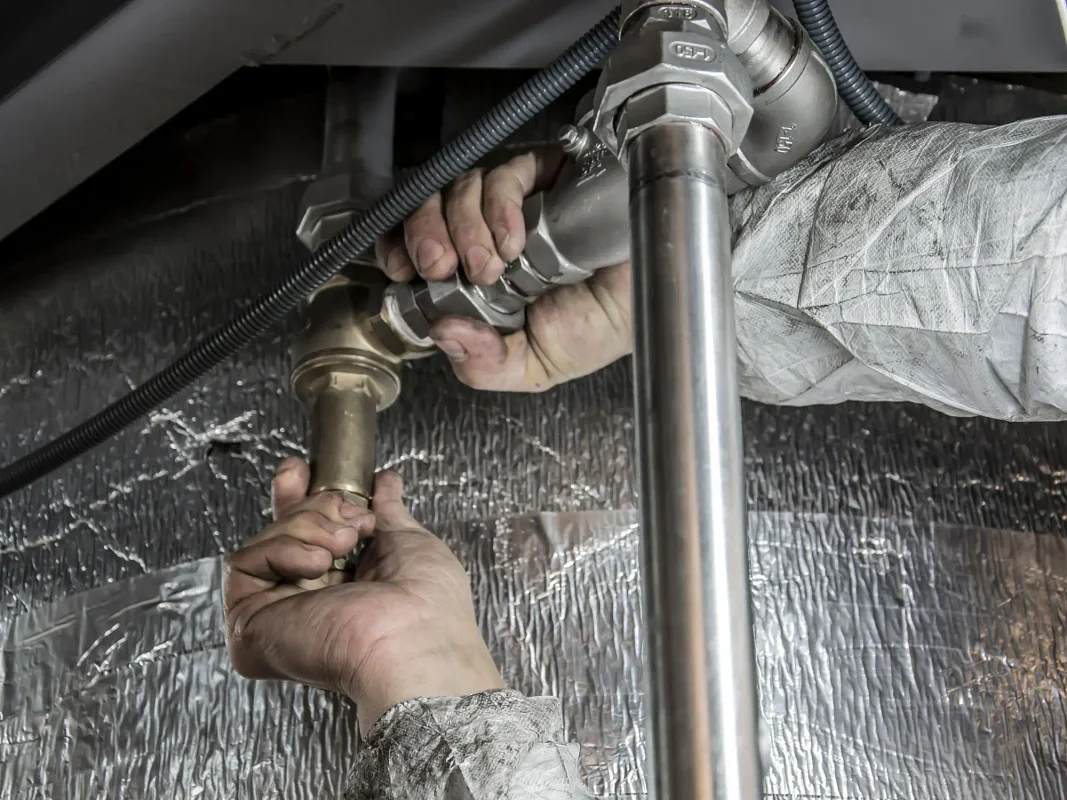
Phoenix's Silent Drain: How Tech Fights a Hidden Water Crisis
PHOENIX, AZ – June 23, 2026 – Beneath the sun-drenched surfaces of Phoenix lies a silent, pervasive threat. It’s not the desert heat or the strain on the power grid, but a quiet drain on the region’s most precious resource: water. Hidden leaks, lurking behind walls and under concrete foundations, are siphoning billions of gallons annually, inflating utility bills, and causing catastrophic structural damage to homes. Now, a local business is deploying advanced diagnostic technology, turning a traditional trade into a high-tech frontline in the battle for water conservation.
1UP Plumbing, a Phoenix-based contractor, has announced it is rolling out a suite of advanced detection tools, including acoustic sensors and thermal imaging cameras, to pinpoint these elusive leaks with surgical precision. The initiative highlights a critical intersection where business innovation meets environmental necessity, offering a modern solution to a problem that is as old as indoor plumbing itself.
The High Cost of Hidden Water
For many Phoenix homeowners, the first sign of trouble is a utility bill that defies explanation. An unexpected spike in water usage often points to a problem that can’t be seen. In a region where many homes were built during the boom of the 1970s and 80s, aging copper pipes are a common culprit. Combined with the area's expansive clay soils, which shift dramatically between drought and monsoon seasons, the stress on underground plumbing is immense. The result is often a slab leak—a break in a water line beneath a home’s concrete foundation.
“Hidden leaks represent one of the most significant challenges facing Phoenix homeowners today,” said Terrence Kay, Operations Director at 1UP Plumbing. “A single undetected leak can waste up to 10,000 gallons of water per year while potentially causing thousands of dollars in structural damage.”
That figure, staggering on its own, only tells part of the story. The U.S. Environmental Protection Agency estimates household leaks nationwide waste nearly a trillion gallons annually. For an individual homeowner in Phoenix, the financial toll extends far beyond the water bill. Once a leak saturates the ground, it can compromise a home’s foundation, warp flooring, and foster mold growth within walls. Repairs can easily escalate from a few hundred dollars for a simple pipe fix to tens of thousands for foundation work and mold remediation.
Residents are often unaware until the damage is done. Common indicators include the faint sound of running water when all fixtures are off, unexplained warm spots on the floor from leaking hot water lines, or a sudden drop in water pressure. By the time these signs appear, a leak may have been active for weeks or months.
Technology to Stem the Tide
Traditionally, finding a slab leak was a destructive and costly process involving jackhammers and educated guesses. Plumbers would have to break through concrete and drywall in an invasive search, a disruptive process that added significant restoration costs for the homeowner. This is where the technological shift becomes a game-changer.
1UP Plumbing’s enhanced service utilizes a trio of non-invasive technologies. Acoustic sensors act like a stethoscope for the plumbing system, allowing technicians to “listen” for the distinct sound of water escaping a pressurized pipe, even deep beneath a concrete slab. Thermal imaging cameras detect minute temperature differences on surfaces, revealing the path of a hidden water leak behind a wall or under a floor. Finally, pressure testing can isolate specific sections of the plumbing to confirm a leak’s existence and general location. This combination of tools allows for precise identification, minimizing the need for disruptive exploratory work.
“Property owners often don't realize they have a leak until they receive an unusually high water bill or notice visible damage,” Kay added. “By that point, the leak may have been active for weeks or months, wasting precious water resources and causing preventable damage.”
This approach mirrors a broader trend. The City of Phoenix itself has found success by deploying smart sensor technology in public housing communities to detect toilet leaks in real time. One recent program at Sunnyslope Manor saved nearly 850,000 gallons, demonstrating the profound impact that technology-driven leak detection can have on urban water conservation.
A Drop in the Bucket, A Wave of Impact
While saving a homeowner from a five-figure repair bill is a significant benefit, the true impact of this innovation extends far beyond any single property line. It plugs directly into the most critical issue facing the desert Southwest: water scarcity. Phoenix, a model of urban water management that has reduced its per capita water use by nearly 30% over two decades, is facing unprecedented challenges. Record cuts to its Colorado River supply, a lifeline for Arizona, are forcing the city to rely more heavily on its other sources, including its carefully managed groundwater reserves.
In this context, every gallon saved matters. The 10,000 gallons lost annually to a single home’s hidden leak, multiplied across a metropolitan area of nearly five million people, represents a colossal volume of wasted water. Initiatives like advanced leak detection are not just a service but a vital component of the region’s collective strategy for resilience.
“Every drop counts, whether it’s from a massive municipal pipe or a tiny pinhole leak under a home,” noted a water policy analyst from a local university. “Empowering homeowners with the tools to find and fix these leaks is an essential, if often overlooked, piece of the water security puzzle. It transforms a private problem into a public good.”
The Business of Conservation
The move by 1UP Plumbing is also a shrewd business strategy. In a competitive market, differentiating on service goes beyond simple repairs. By aligning its business model with the urgent need for water conservation, the company positions itself as a proactive partner to homeowners rather than just an emergency responder. It’s a narrative that resonates deeply in a community where drought is a constant headline and conservation is a shared value.
While other plumbing companies in Phoenix also use advanced diagnostics, 1UP’s public initiative to frame this technology as a cornerstone of its service offering speaks to a clear market trend. Consumers are increasingly seeking solutions that are not only effective but also environmentally responsible and technologically sophisticated.
By investing in and promoting these non-invasive methods, the company is betting that homeowners will choose a precise, preventative approach over a reactive, destructive one. It’s a strategy that acknowledges the future of urban living in an arid climate will depend on the seamless integration of technology, resource management, and individual responsibility.