
- 3 curated itineraries launched to promote multi-island travel from Cebu
- 1-2 hour transfers between key destinations (e.g., Cebu to Boracay, Bohol, Siargao)
- 7-8 day itineraries targeted to align with modern 'slow travel' preferences
Experts agree this strategy aligns with post-pandemic tourism trends favoring quality, sustainability, and deeper cultural engagement, positioning the Philippines competitively in Southeast Asia's multi-destination travel market.
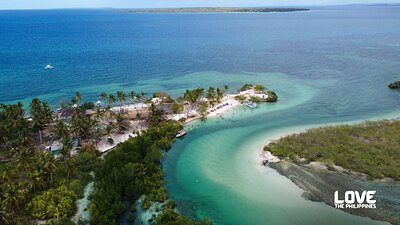
Philippines Unlocks Seamless Island-Hopping with New Cebu-Centric Routes
MANILA, Philippines – April 30, 2026 – The Philippines is making a strategic bid to redefine its tourism landscape, moving beyond single-destination trips to promote seamless, multi-island journeys designed for longer and more meaningful escapes. In a major initiative announced by the Department of Tourism, the country is positioning the central island of Cebu as a pivotal gateway, unlocking a network of diverse travel experiences with minimal transit time.
The move targets a clear shift in global travel patterns, where visitors, particularly from short-haul markets in Southeast Asia, are increasingly seeking 7-to-8-day itineraries that prioritize relaxation, nature, and authentic cultural immersion over rushed, checklist-style tourism. By leveraging Cebu's robust international and domestic connectivity, the Philippines aims to offer curated pairings that combine the country's most iconic and emerging destinations into a single, cohesive vacation.
A Strategic Shift to 'Slow Travel'
This new strategy is a direct response to the evolving desires of the modern traveler. Post-pandemic tourism data from across the region shows a definitive pivot towards "quality over quantity," with a growing appetite for what many call "slow travel"—experiences that allow for deeper engagement with a destination's culture, community, and natural environment. The Philippines' initiative taps directly into this trend, aiming to attract higher-value tourists who stay longer and spend more, while seeking more than just a beach chair.
Industry analyses from organizations like the Pacific Asia Travel Association (PATA) confirm this shift, noting a rising interest in secondary cities, wellness retreats, and eco-tourism. The focus is no longer just on volume but on value creation and sustainability. By promoting multi-destination itineraries, the Philippines is not only catering to this demand but also encouraging a more even distribution of tourism benefits across its archipelago of over 7,000 islands. This approach also aligns with a broader ASEAN trend of strengthening intra-regional travel, which has become a stabilizing engine for the tourism sector's recovery.
Curated Journeys: From Urban Energy to Island Serenity
At the heart of the campaign are three distinct itineraries, each starting from the vibrant hub of Cebu and offering a unique blend of activities. These carefully planned routes are designed to maximize vacation time by minimizing logistical headaches, with inter-island transfers often taking just one to two hours.
Cebu + Boracay: Urban Buzz Meets Beach Bliss
This classic pairing is designed for travelers seeking the best of both worlds. The journey begins in Cebu, a bustling metropolis rich with history, from Spanish colonial churches to a thriving culinary scene famed for its lechon. After exploring the city and perhaps canyoneering at Kawasan Falls, travelers can take a short one-hour flight to Caticlan, the gateway to Boracay. The world-renowned island offers a stark, relaxing contrast with its powdery white sands, turquoise waters, and a sophisticated array of resorts and wellness experiences.Cebu + Bohol: Nature, Culture, and Tranquility
For a quieter, more nature-focused trip, the Cebu to Bohol route is ideal. A two-hour high-speed ferry or a quick 25-minute flight connects travelers to an island of remarkable natural beauty. Bohol is home to the iconic Chocolate Hills, a unique geological formation, and the tiny, wide-eyed Philippine tarsier. Visitors can enjoy serene river cruises, explore lush forests, and relax on the beaches of Panglao Island, which now boasts its own international airport, making access more efficient than ever.Cebu + Siargao: Adventure and Laid-Back Island Living
Appealing to the adventurous and experience-driven traveler, this itinerary connects Cebu's diverse offerings with the surf capital of the Philippines. A one-hour flight transports visitors to Siargao, an island known for its world-class waves, stunning natural lagoons like Sugba, and a distinctively relaxed, bohemian vibe. It's a destination that encourages a slower pace, with days spent surfing, exploring hidden coves, or hopping between local cafes in the main town of General Luna.
The Price of Paradise: Balancing Growth and Preservation
While these new routes promise economic growth and an enhanced visitor experience, they also raise critical questions about sustainability. The Philippines is no stranger to the challenges of over-tourism, most famously demonstrated by the six-month closure and rehabilitation of Boracay in 2018. That drastic measure served as a wake-up call, forcing a nationwide reckoning with the environmental cost of unchecked development.
The lessons from Boracay are now being applied as the government promotes these new tourism corridors. Destinations like Siargao have seen explosive growth in recent years, putting immense pressure on local infrastructure, waste management systems, and fragile ecosystems like its mangrove forests. Similarly, Bohol's natural attractions require careful management of visitor flows to preserve their integrity for future generations.
The Department of Tourism's emphasis on "uncrowded destinations" and "meaningful experiences" signals an awareness of these challenges. The success of this multi-island strategy will ultimately depend not just on marketing, but on the rigorous enforcement of environmental regulations, the implementation of carrying capacities, and a genuine commitment to community-based tourism that ensures local residents are primary beneficiaries. The goal is to prove that the Philippines can welcome more visitors without sacrificing the pristine natural wonders that make it so alluring.
Competing in a Crowded Market
The Philippines is launching this initiative in a highly competitive Southeast Asian market. Neighbors like Thailand, Indonesia, and Vietnam have long been masters of multi-destination travel, offering well-trodden paths that combine cultural capitals with beach paradises. However, the Philippines' strategy carves out a unique niche.
By centralizing the experience around Cebu, it offers a level of curated convenience that can be highly appealing to travelers overwhelmed by choice. Instead of complex, multi-leg journeys, it presents a simple, efficient hub-and-spoke model. Furthermore, the country's inherent advantages—widespread English proficiency, visa-free access for many nationalities including most of the ASEAN bloc, and a reputation for warm hospitality—create a strong value proposition.
Ultimately, this strategic pivot is more than just a new marketing campaign; it's a vision for a more sustainable and resilient tourism future. By showcasing the incredible diversity of its islands in a thoughtful, connected way, the Philippines is betting that modern travelers will choose depth over distance, and authenticity over simple sightseeing. The success of these island-hopping adventures will be a key indicator of whether the nation can successfully navigate the delicate balance between inviting the world in and preserving its paradise for generations to come.
Topics & Related
ESG
Circular Economy
Inflation
Related Company Pulse