
- 75-year legacy: Parker Seminars began in 1951 and now attracts 2,000–5,000 attendees annually.
- Multidisciplinary focus: Features speakers like neuroscientist Andrew Huberman and leadership expert Simon Sinek.
- Growth & influence: Parker University is the fourth-fastest-growing college in Texas, with programs in Clinical Neuroscience and Functional Nutrition.
Experts would likely conclude that Parker Seminars 2026 represents a strategic pivot toward integrative healthcare, blending clinical expertise with business innovation and cutting-edge research to shape the future of patient care.
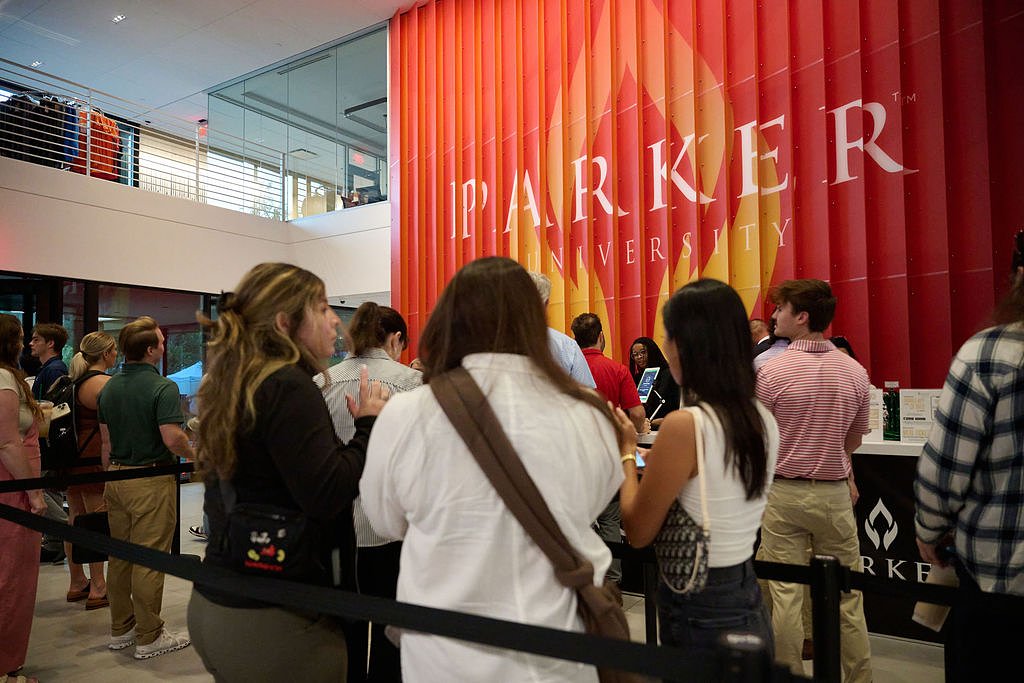
Parker Seminars at 75: More Than a Homecoming, A Blueprint for Healthcare's Future
DALLAS, TX – June 05, 2026 – On the surface, the recent press release for Parker Seminars Dallas 2026 outlines a familiar industry gathering. From October 2-4, 2026, thousands of professionals will descend upon the Parker University campus for its annual Homecoming event. The agenda promises educational sessions, networking, and a look at the latest industry technology. Yet, to dismiss this as just another professional conference would be to miss the larger trend it represents. A deeper analysis reveals an institution at a pivotal moment, leveraging a 75-year legacy not to celebrate the past, but to architect the future of integrative healthcare.
This isn't merely a meeting; it's a barometer for a profession in transformation. The event is a calculated response to the shifting demands of patient care, where the lines between chiropractic, neuroscience, functional medicine, and business strategy are intentionally and necessarily blurring.
A Legacy of Scale and Influence
To grasp the significance of the Dallas Homecoming, one must understand the sheer scale and history of the Parker Seminars platform. What began in 1951 with Dr. James W. Parker and seven colleagues in a Florida hotel room has evolved into a global institution. The upcoming 2026 gathering marks the 75th anniversary of this endeavor, a testament to its enduring relevance. Historical data shows an explosive growth trajectory: from a near-quadrupling of attendance at the second event to a 1989 Las Vegas seminar that drew over 8,000 participants, a benchmark that solidified its status as a pillar of the profession.
Even in a modern, fragmented media landscape, the seminars consistently attract thousands of attendees. Recent events in Las Vegas have been touted as the largest in decades, and the Dallas Homecoming itself typically draws around 3,000 professionals annually. With projections for the 2026 event estimating between 2,000 and 5,000 chiropractors, the numbers underscore a critical mass of engagement. This is not a niche gathering. It is a powerful force for disseminating ideas, setting standards, and fostering a collective identity within the chiropractic and allied health communities. The consistency of this turnout provides a quantifiable measure of the value practitioners place on the platform for their ongoing development.
The Modern Playbook: Integrating Care, Tech, and Business
The modern healthcare landscape demands far more than clinical proficiency; it requires a CEO's mindset and a futurist's vision. The true innovation of Parker Seminars lies in its curriculum, which has evolved far beyond traditional chiropractic adjustments. The focus is now on a multidisciplinary playbook designed for the modern practitioner. The agenda implicitly acknowledges that patient outcomes are inextricably linked to business acumen, leadership skills, and an understanding of broader wellness trends.
Analysis of recent speaker rosters reveals this strategic shift. The platform is attracting thought leaders from well outside the chiropractic mainstream: neuroscientists like Andrew Huberman, leadership experts like Simon Sinek, and performance gurus like David Goggins. By placing these figures alongside clinical experts, the seminars are making a clear statement: the future of patient care is integrative. It involves understanding the gut microbiome, optimizing brain health, and applying evidence-based performance protocols. The inclusion of an estimated 120 exhibitors in the Expo Hall is the execution phase of this strategy, moving innovation from keynote speeches to tangible tools that can be implemented in a clinic on Monday morning.
This approach directly addresses a core challenge for many practitioners: running a successful business. One past attendee noted that the seminars offer “practical insights they can immediately apply in their practices.” This is the actionable intelligence that separates a good conference from a critical career investment. The focus on business growth, leadership, and professional development is not an add-on; it is central to the seminar's value proposition, equipping practitioners to thrive in a competitive healthcare marketplace.
The University as an Innovation Hub
The choice of the Parker University campus as the event's location is more than a logistical convenience; it is symbolic of the deep integration between education, research, and professional practice. Parker University, now the fourth-fastest-growing college in Texas, has transformed from a chiropractic college into a comprehensive health sciences institution. This evolution provides the intellectual and infrastructural backbone for the seminars.
The university is a living laboratory for the concepts discussed at its events. The recent launch of a new Human Performance Center, led by renowned kinesiologist Andy Galpin, and the creation of Master's programs in Clinical Neuroscience and Functional Nutrition, demonstrate a commitment to pushing the boundaries of health education. These are not siloed academic pursuits; they are direct responses to the growing patient demand for holistic, evidence-based care.
Furthermore, the university's Research Center, through its "Abstracts for Clinical Evidence (ACE)" program, is actively working to bridge the gap between academic research and clinical application. By promoting the translation of scientific evidence at its largest gatherings, Parker is fostering a culture of evidence-based practice. This commitment to rigorous analysis grounds the innovative spirit of the seminars, ensuring that new ideas are vetted and validated, providing a framework for execution over hype.
For the thousands of professionals, alumni, and students who will gather in Dallas, the Homecoming is a complex value proposition. It is a chance to earn continuing education credits, but it is also an opportunity to scout new technologies, forge strategic partnerships, and absorb the insights that will define the next decade of patient care. The conversations and connections made on the Parker campus will ripple outward, shaping the direction of countless practices and, ultimately, influencing the health outcomes of the communities they serve.