
- 30 years: Rick Couldry's experience in hospital pharmacy
- $309.88 million: Omnicell's Q1 2026 revenue, up 15% YoY
- $18 billion: Projected pharmacy automation market size by 2035
Experts would likely conclude that Omnicell's appointment of a seasoned clinical leader like Rick Couldry is a strategic move to bridge the gap between technology development and real-world clinical application, ensuring its autonomous pharmacy solutions are practical, safe, and aligned with healthcare providers' needs.
Omnicell Taps Pharmacy Vet to Bridge Tech and Clinical Worlds
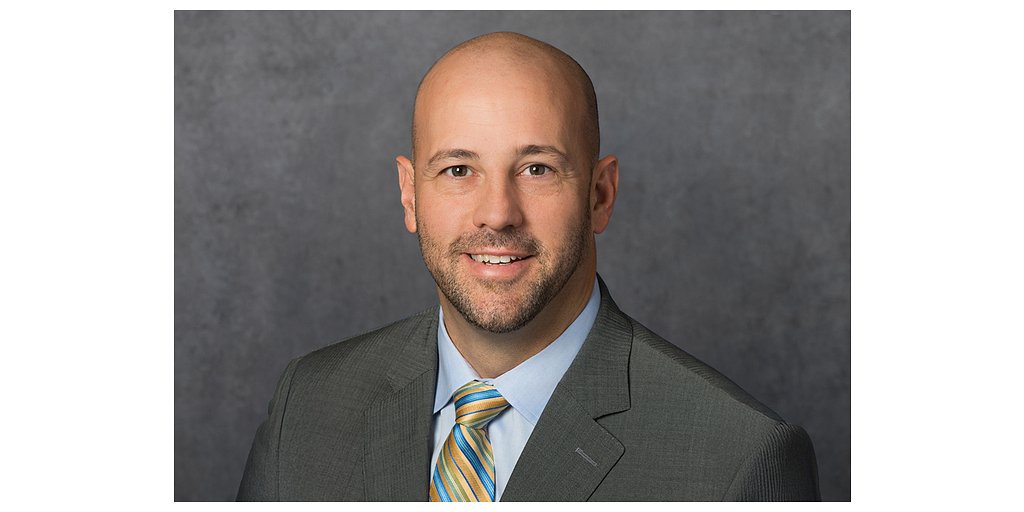
FORT WORTH, TX – April 29, 2026 – In a move signaling a deeper integration of clinical practice into technology development, healthcare tech provider Omnicell has appointed veteran hospital pharmacy leader Rick Couldry to the newly created role of Senior Vice President, Chief Pharmacy and Clinical Officer. The appointment places a seasoned practitioner with 30 years of front-line experience at the heart of the company’s innovation strategy, a decision aimed at ensuring its automated medication management solutions are grounded in the complex realities of patient care.
This strategic hire comes as Omnicell continues its ambitious push toward the “Autonomous Pharmacy,” a vision for a zero-error, fully automated medication infrastructure. By bringing a leader directly from the health systems it serves into its executive ranks, Omnicell is betting that deep clinical empathy is the key to unlocking the next phase of growth and building unbreakable trust with its hospital partners.
A New Voice in the Executive Suite
Couldry’s position is not merely a title; it is designed to function as the company’s “senior clinical authority.” His primary mandate is to channel the perspective of health system pharmacy leaders directly into Omnicell’s product roadmap and portfolio decisions. This move reflects a growing industry trend where technology firms are recognizing the necessity of embedding clinical leadership at the highest levels to bridge the gap between engineering and real-world application.
“Rick brings decades of experience leading large, complex academic and integrated health systems,” said Nnamdi Njoku, Omnicell's executive vice president and chief operating officer, in the company's announcement. “His insights will help to inform clinical guidance, shape thought leadership, and influence enterprise direction, which should further strengthen Omnicell’s position as it seeks to be the most trusted partner to pharmacy leaders.”
The creation of a Chief Pharmacy and Clinical Officer role aligns with a broader recognition of pharmacists' expanding influence. Professional bodies like the American Society of Health-System Pharmacists (ASHP) have established advisory panels for "Pharmacists in C-Suites," a group Couldry himself co-chaired for three terms. This indicates a systemic shift towards leveraging pharmacists' unique expertise in operations, patient safety, and technology to guide corporate strategy in the health-tech sector.
A Career Forged on the Front Lines
Couldry’s extensive resume makes him a uniquely qualified figure for this role. Before joining Omnicell, he served as Vice President of Pharmacy and Health Professions at The University of Kansas Health System, one of the nation's leading academic medical centers. His career there saw him rise from residency program director to a senior executive overseeing a vast portfolio that extended far beyond the pharmacy.
In his most recent role, he managed not only pharmacy services but also departments including pathology, laboratory science, respiratory therapy, and clinical nutrition, overseeing a staff of approximately 1,900. This broad operational experience provides him with a system-wide perspective on how medication management intersects with virtually every aspect of hospital care. His track record includes scaling specialty pharmacy programs, leading successful operational turnarounds, and driving growth while demonstrably improving patient outcomes.
A Fellow of the ASHP since 2017 and a decorated leader with numerous service and leadership awards, Couldry’s motivation for moving to the technology sector appears rooted in a desire to solve systemic challenges at scale.
“I find that healthcare is evolving faster than ever, making the pharmacy enterprise increasingly vital to health systems and the patients they serve,” Couldry stated. “What drew me to Omnicell is its clear commitment to staying ahead of that change—as it seeks to deliver solutions designed to simplify complexity and enhance safety, while keeping quality at the forefront of every stage of medication management.”
Powering the Autonomous Pharmacy Vision
Couldry’s appointment is strategically timed. Omnicell is in a strong financial position, having reported revenues of $309.88 million for the first quarter of 2026, a nearly 15% year-over-year increase that surpassed analyst expectations. With a robust product backlog and growing recurring revenue, the company is investing heavily in its vision for the Autonomous Pharmacy.
This vision is underpinned by a new generation of technology, including the Titan XT automated dispensing system and the OmniSphere cloud platform. Launched in late 2024, OmniSphere is a cloud-native engine designed to unify robotics, data analytics, and workflow software into a cohesive system. The goal is to create a seamless, data-driven medication management process that reduces errors, boosts efficiency, and frees up pharmacists and nurses to focus on high-value clinical tasks.
However, the success of such advanced automation hinges on its ability to integrate flawlessly into the chaotic and unpredictable environment of a hospital. This is where Couldry's role becomes critical. A technology's theoretical efficiency can be undone by a poorly designed workflow or an interface that clashes with established clinical practices. By providing direct feedback from a leader who has managed these very workflows, Omnicell aims to de-risk its product development and ensure its innovations are not just powerful, but also practical and safe.
Building Credibility in a Competitive Market
The pharmacy automation market is projected to more than double in the next decade, reaching over $18 billion by 2035. In this crowded and competitive space, where Omnicell vies with giants like Becton, Dickinson and Company (BD) and Swisslog Healthcare, trust and partnership are as valuable as technical specifications. Health systems are not just buying machines; they are making long-term investments in partners they believe understand their mission and their challenges.
High implementation costs and concerns about digital transformation remain significant barriers to adoption for many hospitals. Having a leader like Rick Couldry, who has been on the other side of the table making these high-stakes purchasing decisions, provides Omnicell with a powerful source of internal credibility. His ability to speak the language of hospital administrators and clinical staff can help align product features with genuine needs, streamline implementation, and foster the long-term relationships that are essential for success.
Ultimately, this appointment is a statement that technology alone is not the answer. By placing a seasoned clinical leader in a position of power, Omnicell is affirming that the future of autonomous medication management will be co-designed by the engineers who build the systems and the experienced healthcare professionals who use them every day to care for patients.