
- $6 million invested in OlloNi's development by OLLOBOT
- Consumer robotics market projected to grow from $8 billion in 2024 to $96 billion by 2035
- Kickstarter launch planned for August 2026
Experts view OlloNi as a pioneering effort in emotional robotics, with its success hinging on balancing technological innovation with ethical considerations around privacy and human connection.
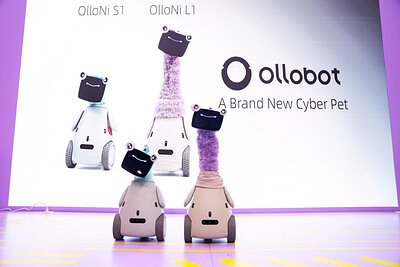
OLLOBOT's OlloNi: The Cyber-Pet Aiming to Redefine Home Companionship
LAS VEGAS, NV – March 25, 2026 – In a technology landscape often dominated by promises of hyper-efficiency and cold functionality, a small, whimsical robot named OlloNi captured the imagination of attendees at CES 2026 earlier this year. Now, its creator, OLLOBOT, has announced it is channeling that enthusiastic reception into a market-ready product, with an upgraded version of the cyber-pet slated for a Kickstarter launch in August.
The move signals a significant step for the company, which aims to carve out a new niche in the burgeoning consumer robotics market. Rather than building another smart assistant or a four-legged mimic, OLLOBOT is betting that what consumers truly want is not a servant, but a companion—a presence designed to bring emotional warmth into the home.
A New Species of Robot
OlloNi stood out at CES for what it wasn't. Amidst a sea of high-performance industrial systems and increasingly complex humanoid robots, its appeal was rooted in character and charm. Media outlets were quick to notice. Forbes praised it as "rare in that it promises presence, not tech," while Engadget affectionately dubbed it a "goofy, long-necked cyber-pet." This praise stemmed from OLLOBOT's core design philosophy: to create a 'new species-like silhouette' that feels natural in a domestic setting without trying to replicate existing biological forms.
The company believes the next generation of companion robots should be defined by the emotional comfort they provide, not by their ability to mimic an animal or perform chores. OlloNi's mixture of clumsy charm and agile movement is engineered to elicit an emotional response, fostering a bond more akin to a pet than a device. The public's positive reaction at CES suggests a growing appetite for technology that prioritizes this kind of emotional resonance.
Building on this momentum, OLLOBOT is refining the concept based on feedback from the show. "Both the exterior design and performance capabilities of the upgraded OlloNi are undergoing significant refinement," said Lyn Fang, founder of OLLOBOT, in a recent statement. The goal, she explained, is to enhance the robot's character and interactivity while preserving its unique identity ahead of the crowdfunding campaign.
From Hype to Hardware: A Calculated Market Entry
OLLOBOT's decision to launch on Kickstarter is a strategic move to convert industry buzz into tangible market validation. The consumer robotics market is expanding at a blistering pace, with some projections estimating it will surge from around $8 billion in 2024 to over $96 billion by 2035. Within this space, the social and companion robot segment is poised for particularly explosive growth.
However, the path from a compelling prototype to a successful consumer product is notoriously difficult, especially for complex hardware. Crowdfunding platforms are littered with the ghosts of ambitious projects that failed to deliver. Yet OLLOBOT is not a typical garage startup. The brand is part of BizConf Technology Co Ltd (SHE: 300578), a publicly listed company, and has reportedly invested over $6 million in OlloNi's development. This substantial backing provides a level of financial stability and manufacturing expertise that could mitigate the risks commonly associated with hardware crowdfunding.
By going the Kickstarter route, the company can engage directly with early adopters, building a community around the product before a full-scale commercial release. This approach allows OLLOBOT to test pricing, gauge demand, and gather further feedback, effectively co-creating the final product with its most enthusiastic supporters. The August campaign will not only launch the robot but also what the brand calls a broader "cyber-pet universe," hinting at a long-term vision for an ecosystem of emotionally attuned companions.
The Ethics of an Emotional Companion
As OLLOBOT prepares for its launch, it steps into a complex and rapidly evolving conversation about the role of AI in our personal lives. The concept of an "emotionally intelligent" robot that learns a family's routines and emotional patterns raises profound questions about privacy, dependency, and the nature of connection itself.
Critics of emotional AI warn of the potential for technology to commodify intimacy and create unhealthy attachments, where simulated empathy replaces genuine human interaction. The data collection required for a machine to 'learn' a person's habits also presents significant privacy challenges. Most AI devices rely on cloud-based processing, creating a steady stream of personal data that flows from the home to corporate servers.
OLLOBOT appears to be confronting these concerns head-on. The brand's philosophy of "gentle intelligence" suggests a deliberate limitation on the robot's capabilities, focusing on providing comfort without overstepping into surveillance. More concretely, the company has emphasized its commitment to privacy and emotional safety, reportedly designing OlloNi with a removable memory module for local data storage. This design choice represents a significant departure from the industry norm, giving users physical control over their personal information and ensuring the robot's 'memories' stay within the home.
As OlloNi transitions from a celebrated concept to a consumer product, its launch will be a critical test. It will measure not only the market's willingness to fund an unconventional robot but also our collective readiness to welcome a new kind of technological presence into our most personal spaces—one designed not to serve our needs, but to share our lives.