
- $100,000: Maximum grant amount available to support battery and energy storage startups in New York.
- $113 million: Federal funds invested in New York's battery innovation ecosystem.
- 50+ companies: Active in the battery supply chain within the region.
Experts agree that this initiative is a critical step in strengthening the U.S. battery supply chain, aligning with federal efforts to reduce reliance on foreign imports and fostering domestic energy innovation.
NY Offers Up to $100K to Fortify U.S. Battery Supply Chain
BINGHAMTON, N.Y. – February 26, 2026 – New Energy New York (NENY) has announced a significant new funding opportunity for companies at the forefront of the nation's energy transition. Through its Technical Assistance Program, NENY will award grants of up to $100,000 to startups and small-to-medium-sized manufacturers working in the battery and energy storage sector. The initiative, a collaboration with the New York Battery and Energy Storage Technology Consortium (NY-BEST), aims to accelerate technology development and help secure a domestic supply chain for one of the 21st century’s most critical industries.
The program provides direct financial support to help companies access high-tech development, prototyping, and testing facilities across New York State. By defraying these often-prohibitive costs, the initiative seeks to bridge the gap between innovative concepts and commercially viable products, bolstering the state's growing reputation as a hub for energy innovation.
A Strategic Investment in Domestic Energy
This funding round is more than a local grant program; it represents a crucial piece of a larger national strategy to reshore critical manufacturing and reduce reliance on foreign supply chains. For decades, the United States has depended heavily on imports for advanced battery components and processed materials, creating significant economic and national security vulnerabilities. The global lithium battery market is projected to expand exponentially by 2030, making the establishment of a robust domestic supply chain a matter of urgent priority.
NENY’s program aligns directly with federal efforts to address this challenge. Initiatives like the CHIPS and Science Act and investments from the Bipartisan Infrastructure Law have funneled billions of dollars into strengthening domestic production of advanced batteries, critical minerals, and precursor materials. The Biden-Harris administration and the Department of Energy have repeatedly emphasized the need to incentivize every stage of the U.S. battery supply chain, from mining and processing to cell and pack manufacturing. NENY's ground-level support for innovators and small manufacturers is a direct implementation of this national vision, ensuring that federal policy translates into tangible growth for American companies.
By fostering a self-sufficient ecosystem, the U.S. aims to not only secure its energy future but also capture the economic benefits of the clean energy transition. Programs like this are designed to prevent the outsourcing of next-generation technologies, ensuring that the jobs and economic growth created by the battery revolution happen on American soil.
Building New York's Battery Belt
The NENY initiative is cementing Upstate New York's position as a burgeoning leader in the battery industry. Designated as a federal Tech Hub by the U.S. Economic Development Administration (EDA), NENY is the beneficiary of substantial federal and state investment, including over $113 million in federal funds and more than $60 million from New York's Empire State Development (ESD). This strategic backing has transformed the region into a magnet for battery innovation.
Binghamton University, which leads the NENY coalition, has become the epicenter of this activity. The university holds the unique distinction of receiving three major federal designations for its work in energy storage: the EDA Tech Hub, an NSF Engine award, and an EDA Build Back Better Regional Challenge grant. This concentration of resources has created a powerful innovation cluster focused on the end-to-end battery lifecycle.
The region is already home to a vibrant ecosystem of over 50 companies and 30 startups active in the battery supply chain. The Technical Assistance Program is designed to nurture and expand this base, providing the critical support needed for these companies to scale. By requiring applicants to have a physical presence in New York—whether a headquarters, R&D lab, or even an incubator membership—the program ensures that its benefits directly contribute to the state's economic development and job creation goals.
From Lab Bench to Market: Catalyzing Innovation
The Technical Assistance Program is specifically structured to address the most common obstacles faced by emerging technology companies. It offers two distinct funding tracks: Track A provides awards up to $75,000 for startups less than five years old that have raised minimal private funding, while Track B offers up to $100,000 for small-to-medium-sized enterprises with fewer than 500 employees.
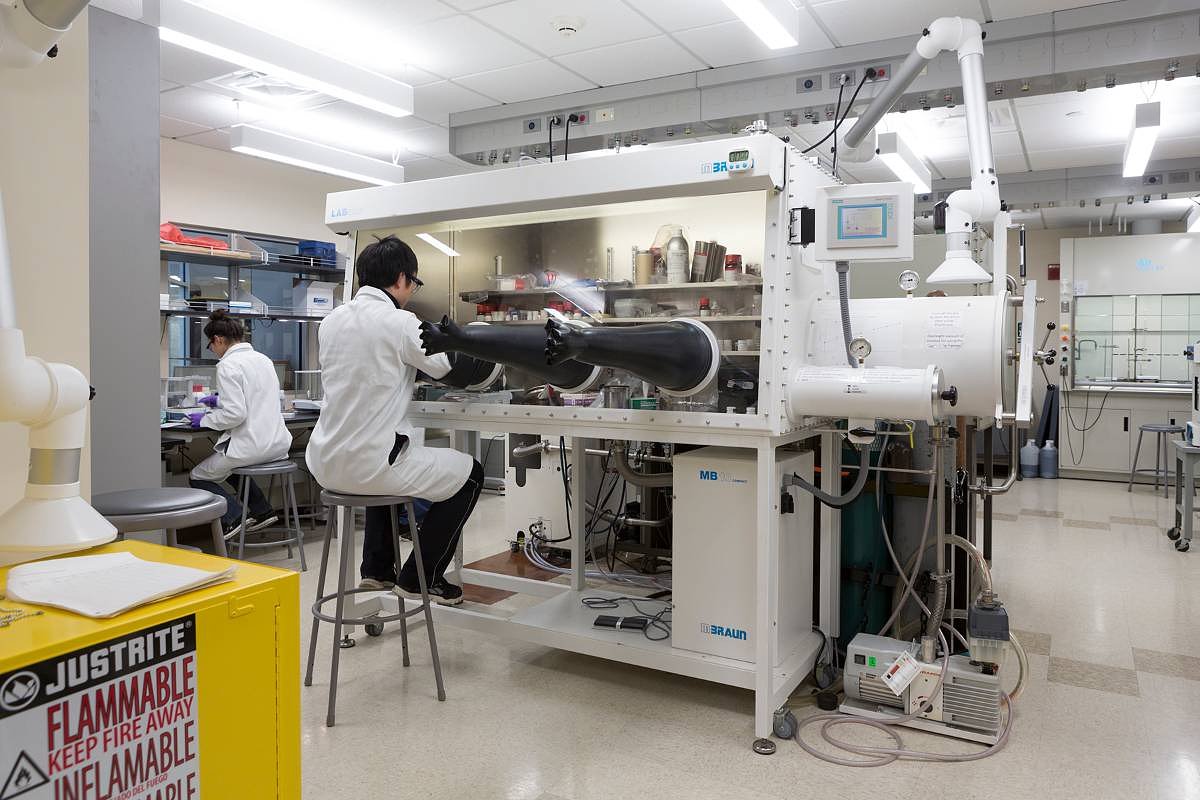
This funding is not a blank check; it is targeted support to cover costs associated with utilizing qualified shared-use facilities in New York. This includes services for lab-scale prototyping, pilot-scale manufacturing, performance testing, and product certification. For a startup, gaining access to a state-of-the-art facility like the NorthEast Center for Chemical Energy Storage (NECCES) Dry Room at Binghamton University can be a game-changer. These facilities provide the controlled environments and specialized equipment necessary for battery R&D, which are often too expensive for a single small company to build or lease.
By directly paying the service providers, NENY removes a significant administrative and financial burden from the awardees. This model allows innovators to focus on what they do best: developing next-generation technologies. Previous rounds have supported a diverse range of projects, from companies developing novel sodium-ion battery chemistries and advanced silicon anodes to those pioneering new methods for recycling lithium-ion batteries. This support spans the entire supply chain, reflecting a holistic approach to building a resilient industry.
How to Apply and Key Deadlines
Eligibility for the program is open to U.S.-based companies developing battery or energy storage solutions. A key requirement is that all applicants must have at least one physical establishment in New York State and a Unique Entity Identifier (SAM) from SAM.GOV or a DUNS number. The program supports technologies across the entire supply chain, from raw materials and manufacturing to battery management systems, recycling, and end-of-life solutions.
To help prospective applicants, NENY will host an Information Webinar at 10 a.m. ET on Tuesday, March 24, 2026. The session will provide a program overview, introduce potential service providers, and include a Q&A on the application process. Interested parties can find registration details and the full Request for Proposals (RFP) on the NENY website.
Applications must be submitted by 5 p.m. ET on Friday, April 10, 2026. The RFP notes a matching funding requirement, and applicants are advised to review the full document for detailed information on cost-sharing. Awards are expected to be announced in the early summer of 2026, with funds required to be utilized within six months of the contract signing.