
- 461,000+: Number of licensed nurse practitioners in the U.S. as of 2026
- 46%: Projected employment growth for nurse practitioners between 2023 and 2023
- #1: Nurse practitioners ranked as the top job in America for the third consecutive year by U.S. News & World Report
Experts agree that nurse practitioners are indispensable to the U.S. healthcare system, offering high-quality, cost-effective care while addressing critical physician shortages, particularly in underserved areas.
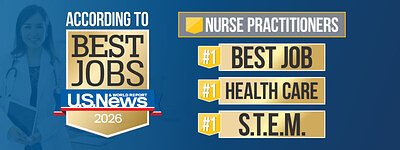
Nurse Practitioners Clinch #1 Job in America for Third Straight Year
AUSTIN, TEXAS – January 15, 2026 – For the third consecutive year, the nurse practitioner (NP) profession has been named the number one job in the nation by U.S. News & World Report. The 2026 Best Jobs rankings, announced today, also placed NPs at the top of the Best Health Care Job and Best STEM Job lists, cementing a three-year streak of dominance that highlights the profession's escalating importance in the American landscape.
The American Association of Nurse Practitioners (AANP) celebrated the announcement, which comes as the number of licensed NPs in the country surpasses 461,000. This consistent top ranking is not merely a statistical achievement; it reflects a profound shift in the healthcare industry, where NPs are increasingly recognized as a cornerstone of patient care, innovation, and accessibility.
"Nurse practitioners continue to lead the nation not only in excellence and impact, but now for the third year running as the top job in America," said AANP President Valerie Fuller, PhD, DNP, in a statement. "This extraordinary recognition reflects NPs' advanced clinical expertise, growing demand and the profound trust patients place in us every day."
Behind the Ranking: A Story of Growth and Demand
The U.S. News & World Report methodology offers a clear picture of why the NP role is so highly valued. The rankings are not based on prestige alone but on a weighted average of metrics that define a quality career in today's economy. These include future prospects (30%), wage potential (25%), employment (20%), job safety and stability (15%), and work-life balance (10%). Data is sourced primarily from the U.S. Bureau of Labor Statistics (BLS), focusing on jobs with the largest projected openings.
The NP profession excels across these categories. The BLS projects employment for nurse practitioners to grow by a staggering 46% between 2023 and 2033, translating to an estimated 135,500 new jobs. This explosive growth, a key component of the "Future Prospects" score, far outpaces the average for all occupations and signals a sustained, long-term demand.
This isn't a recent phenomenon. The profession's ascent has been steady, moving from the #3 spot in 2021 to #2 in 2022 before beginning its current reign at #1 in 2024. While other strong professions like Physician Assistant (ranked #5 overall for 2026) and Software Developer consistently appear in the top ten, the NP role's trifecta of high growth, strong salary potential, and direct societal impact gives it a unique and resilient edge.
A Critical Solution to America's Healthcare Gap
The demand for NPs is intrinsically linked to the pressing challenges facing the U.S. healthcare system. The Association of American Medical Colleges (AAMC) continues to project significant physician shortages, particularly in primary care. These gaps are felt most acutely in rural and underserved communities, where access to a doctor can be severely limited.
Enter the nurse practitioner. Trained to assess, diagnose, treat, and manage acute and chronic illnesses, NPs are uniquely positioned to bridge these access gaps. They are increasingly serving as the primary care provider of choice for millions of Americans, offering a lifeline in areas where healthcare options are scarce.
The effectiveness of NPs in this role is heavily influenced by state-level regulations known as "scope of practice." These laws vary significantly, falling into three main categories. In Full Practice Authority (FPA) states, NPs can practice to the full extent of their education and training, including establishing their own clinics without physician oversight. In contrast, Reduced Practice and Restricted Practice states impose limitations, requiring formal collaborative agreements or direct supervision by a physician.
Research consistently shows that states with FPA have better healthcare access, lower costs, and excellent patient outcomes. The ongoing trend toward granting FPA in more states reflects a growing legislative recognition that empowering NPs is a crucial strategy for building a more resilient and equitable healthcare system.
More Than a Job: An Ethical and Economic Force
Beyond market demand and career prospects, the NP role is distinguished by the profound level of trust it commands. For more than two decades, a recurring Gallup Poll has found that Americans rate nursing as the most honest and ethical profession. This public confidence is a powerful asset in healthcare, where trust is the bedrock of the patient-provider relationship.
President Fuller of the AANP commented on this aspect, stating, "With workforce trust at the foundation of effective care delivery, the Gallup findings reinforce what patients and families experience daily: NPs bring integrity, compassion and excellence to every interaction."
This ethical standing is complemented by a strong economic argument. Studies have repeatedly shown that care provided by NPs is cost-effective, yielding patient outcomes that are comparable to, and sometimes better than, those of physicians, particularly in the context of chronic disease management and patient education. By improving preventative care and efficiently managing conditions, NPs help reduce the need for more expensive emergency visits and hospitalizations, generating significant value for the entire healthcare ecosystem.
As the nation's healthcare needs evolve with an aging population and a rise in chronic conditions, the versatility and patient-centered approach of nurse practitioners will only become more vital. Their consistent top ranking is a clear indicator that the profession is not just a good career choice, but an essential component in shaping a healthier future for all Americans.
Topics & Related
ESG
Remote & Hybrid Work
Revenue
Net Income
Inflation
Healthcare & Life Sciences
Related Company Pulse