
- 28-hospital network: Northwell Health's new Center for Psychedelics Research and Treatment (CPRT) will leverage its vast 28-hospital network for research and patient care.
- 3 groundbreaking studies: The center is launching clinical trials on psilocybin for social anxiety, MDMA for schizophrenia, and ecological momentary assessment of natural psychedelic use.
- 5-year plan: The CPRT aims to complete initial studies and secure federal grants to launch a clinical treatment program upon regulatory approval.
Experts view the opening of Northwell's psychedelic research center as a significant step forward in addressing treatment-resistant mental health conditions, with rigorous studies poised to provide much-needed evidence for the therapeutic potential of psychedelics.
Northwell Opens Psychedelic Center to Tackle Mental Health Crisis
GLEN OAKS, NY – January 27, 2026 – In a significant move to address the nation's escalating mental health crisis, Northwell Health has officially opened the Center for Psychedelics Research and Treatment (CPRT) at Zucker Hillside Hospital, positioning itself at the forefront of a burgeoning scientific field. The new center aims to rigorously investigate the therapeutic potential of compounds like psilocybin, MDMA, and ketamine for some of the most intractable psychiatric and substance use disorders.
A New Frontier in Mental Health
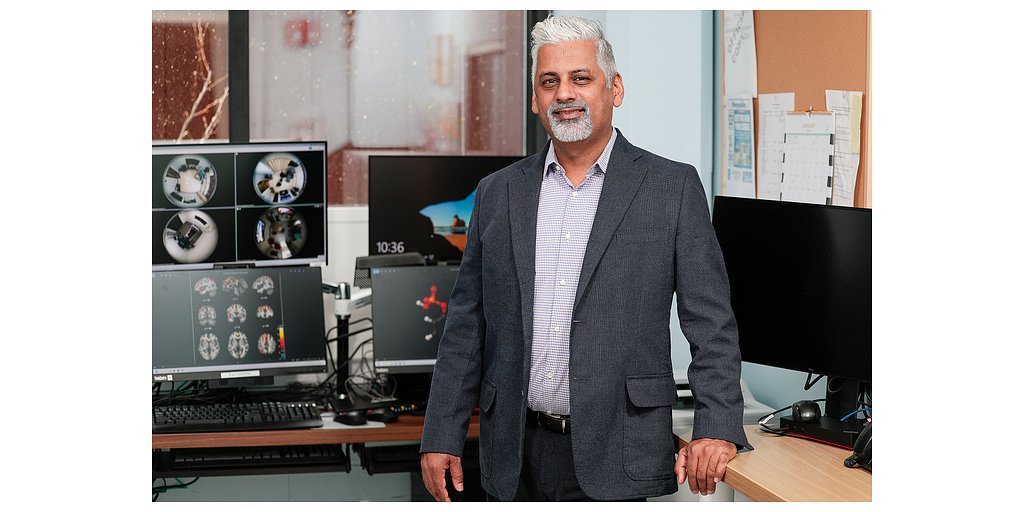
The initiative, housed within the Feinstein Institutes for Medical Research, represents a major institutional investment in what many are calling a "psychedelic renaissance." As traditional treatments prove insufficient for a growing number of patients, researchers are turning to these long-stigmatized substances in the hope of finding new pathways to healing. The CPRT is led by esteemed behavioral health researchers Dr. John Kane, a world-renowned expert in schizophrenia, and Dr. Nehal Vadhan, who will direct the center's state-of-the-art laboratory.
The center's mission extends beyond the lab bench. It aims to conduct rigorous research across Northwell's vast 28-hospital network, leveraging its diverse patient population to develop novel treatments for conditions like social anxiety, schizophrenia, and substance use disorders. A key component of this mission is public education and the reduction of stigma that has long shrouded these compounds.
“This new facility and planned research are crucial for uncovering novel treatments for difficult-to-treat disorders and symptoms, impacting patients who suffer from conditions in desperate need of effective therapies,” stated Dr. Vadhan, who is also an assistant professor at the Feinstein Institutes. “We are committed to conducting careful and meaningful studies that will ultimately help educate patients on the pros and cons of these substances, their families and the public to increase knowledge and reduce stigma.”
The Science of a New Hope
At the heart of the CPRT is the Feinstein Family Human Neuropsychopharmacology Laboratory, a unique clinical space designed not just for safety, but for ecological validity. The lab includes a driving simulator, a modular bar, and even living room setups to mimic real-world environments. This innovative design allows researchers to assess the direct and long-term effects of psychedelics on behavior and cognition in settings that more closely resemble daily life, moving beyond the confines of a sterile clinic.
The center is launching with several ambitious projects. One clinical trial will assess the efficacy of psilocybin for treating social anxiety disorder, a condition that affects millions and can be profoundly debilitating. Another groundbreaking study, in collaboration with UCLA, will explore the safety and tolerability of MDMA in patients with schizophrenia. This is particularly notable as it targets the "negative symptoms" of the illness—such as apathy and social withdrawal—which are notoriously resistant to current medications and are a key focus of Dr. Kane's decades of research. A third study will use ecological momentary assessment to explore how and why people are using psychedelics in their natural environments.
“The establishment of the Center for Psychedelics Research and Treatment represents a significant step in our commitment to explore and develop innovative approaches for mental health care,” said Dr. Anil K. Malhotra, co-director of the Institute of Behavioral Science at the Feinstein Institutes. “The work led by Dr. Vadhan and his lab will be important to expand our understanding of the impact of these therapies for psychiatric and substance use disorders.”
Navigating a Complex Regulatory Landscape
Northwell's entry into this field comes at a pivotal moment. The CPRT joins an elite group of academic powerhouses like the Johns Hopkins Center for Psychedelic and Consciousness Research and NYU Langone’s Center for Psychedelic Medicine, which have already produced promising, albeit early, results. Research from these institutions has shown psilocybin's potential to alleviate depression and anxiety in cancer patients and help individuals overcome addiction.
However, the path forward is fraught with regulatory and ethical challenges. Most psychedelics, including psilocybin and MDMA, remain classified as Schedule I controlled substances by the federal Drug Enforcement Administration (DEA), a designation indicating no currently accepted medical use. This status creates significant hurdles for research. While the FDA issued draft guidance in 2023 to facilitate clinical trials, the bar remains high. Just last year, the FDA rejected an application for MDMA-assisted therapy for PTSD, citing concerns about study design and the difficulty of ensuring proper blinding given the substances' powerful effects.
Simultaneously, there is a growing momentum for change. Legislative efforts are underway in New York, such as the proposed Senate Bill 495, which aims to legalize medical psilocybin under strict clinical supervision. Northwell’s center is thus strategically positioned to provide the rigorous, evidence-based data that regulators and policymakers will need to make informed decisions as this landscape continues to evolve.
A Vision for the Future of Care
Beyond the immediate research goals, the CPRT has a long-term vision that could reshape mental healthcare delivery. A central tenet of the center's philosophy is addressing the ethical considerations that accompany this powerful new class of potential treatments. This includes tackling issues of equitable access, ensuring patient safety during vulnerable psychological states, and providing robust public education to counter misinformation.
The center's five-year plan includes completing its initial slate of studies and leveraging the results to secure larger grants from federal sources like the National Institutes of Health. This would pave the way for launching a clinical treatment program, offering these therapies to patients as soon as regulatory approvals are granted. In a nod to fiscal and environmental responsibility, much of the lab's initial equipment and furniture has been repurposed or donated from surplus, ensuring that funds are directed primarily toward the research itself.
Looking ahead a decade, the vision expands to include a larger facility, satellite programs across Northwell's extensive campus network, and the recruitment of basic scientists to develop new therapeutics from the ground up. By fostering collaboration and hosting conferences, the CPRT aims to become a regional and national hub for advancing psychedelic science, translating breakthrough research into tangible hope for millions of patients.
Topics & Related
Policy Change
Mental Health
Biotechnology
Sustainability & Climate
Related Company Pulse