
- NJCU's Financial Decline: Net position dropped from $104 million in 2015 to $69 million by 2021
- Enrollment Decline: NJCU student body shrank by 23% between 2016 and 2022
- State Funding: $25 million allocated to support the merger transition
Experts view this merger as a necessary strategic action to ensure the survival of financially distressed institutions while preserving access to higher education for underserved communities.
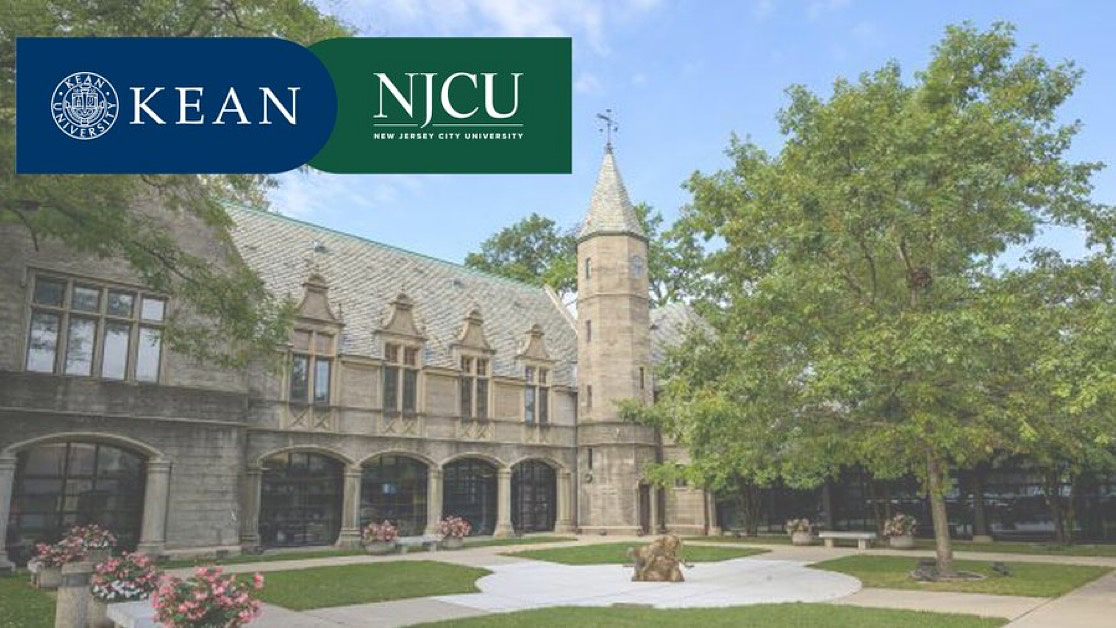
NJ's Higher Ed Shake-Up: Kean Absorbs Ailing NJCU in Historic Merger
UNION, N.J. – April 27, 2026 – In a landmark decision that will reshape New Jersey's public higher education landscape, the Middle States Commission on Higher Education (MSCHE) has advanced the historic merger between Kean University and New Jersey City University (NJCU). The move serves as a lifeline for the financially distressed NJCU and creates a potential blueprint for other struggling institutions nationwide.
The merger is set to officially close on July 1, 2026, at which point Kean will acquire control of NJCU, and all its employees will become Kean employees. Following a final review by the U.S. Department of Education expected in August, the Jersey City campus will formally begin operating as Kean Jersey City, and all NJCU students will be enrolled as Kean students.
“This is a defining moment for Kean University, and for the future of higher education in our state,” said Lamont O. Repollet, Ed.D., president of Kean University. “With Middle States’ decision, we move forward with purpose and clarity, creating exceptional opportunities for students across New Jersey and beyond.”
The Road to Merger: NJCU's Financial Collapse
The consolidation comes after years of severe financial turmoil at NJCU. The university, a vital anchor in Hudson County for nearly a century, was teetering on the brink of insolvency. An investigation by the New Jersey Office of the State Comptroller (OSC) painted a grim picture of NJCU's finances, revealing that its net position had plummeted from $104 million in 2015 to just $69 million by 2021 due to persistent structural deficits.
Several factors fueled the crisis. Protracted enrollment declines saw the student body shrink by over 23% between 2016 and 2022. While tuition rates increased, aggressive tuition discounting meant net revenue remained nearly flat. Simultaneously, operating expenses ballooned, partly due to ambitious campus expansions that increased debt service costs by 78% over a decade.
The situation reached a boiling point in 2022. The OSC found that top administrators had presented a budget with a supposed surplus for 2021, despite knowing it relied on an improper allocation of federal COVID-19 relief funds. This maneuver masked a looming deficit that ultimately totaled nearly $14 million. By June 2022, with only enough cash to operate for about 25 days, the NJCU Board of Trustees declared a financial emergency.
This declaration prompted swift state intervention. A state-appointed fiscal monitor, Henry Amoroso, was installed to oversee the university's finances. His mandate was clear: NJCU had to identify a merger partner to ensure its survival. “This merger creates a stable path forward that protects students and strengthens higher education in New Jersey,” Amoroso stated, calling it the kind of “strategic action needed to ensure institutions can continue to serve their communities effectively while adapting to changing financial realities.”
A State-Backed Blueprint for Consolidation
The path from financial emergency to merger was a deliberate, multi-step process heavily guided by state officials. Following the monitor's direction, the NJCU Board of Trustees voted in March 2025 to pursue a merger with Kean University. The two institutions signed a letter of intent in May 2025, followed by a definitive merger agreement in October 2025, which was unanimously approved by both university boards.
The partnership received its most crucial endorsement in January 2026, when former Governor Phil Murphy signed legislation to formally advance the merger. The law authorized the full transfer of NJCU's assets, facilities, and academic programs to Kean and provided $25 million in state funding to support the complex transition. It also guaranteed that for the first three years post-merger, Kean would receive institutional aid at least equal to what NJCU received in fiscal year 2026.
This extensive collaboration involved 15 advisory teams comprising faculty, staff, and administrators from both universities. “The Board is deeply grateful to everyone who contributed to this effort over the past year,” said Steve Fastook ’06H, chair of the Kean University Board of Trustees. “This work reflects a shared commitment to students and to the future of public higher education.”
A New Era for Students and Faculty
For the thousands of students and employees at NJCU, the merger brings both significant change and a promise of stability. A primary focus of the integration has been ensuring a seamless transition.
Upon final approval, all current NJCU students will become Kean University students. They will gain access to Kean's broader academic catalog and student services while paying Kean's tuition, which is currently the lowest among New Jersey's public universities. Kean has committed to honoring all earned academic credits and existing need-based financial aid packages for current NJCU students. Programs that exist at both universities will be unified under Kean's curriculum, while unique NJCU programs may be expanded. Students in programs that are discontinued will be given a pathway to complete their degree.
For faculty and staff, the merger provides job security. The enabling legislation specifies that all NJCU employees will become Kean employees, and the tenure rights and academic rank of faculty will be maintained. This provision was critical in securing support from labor unions, which had raised initial concerns about potential demotions.
“This work has been grounded in careful planning and an intense focus on students,” said Audrey Kelly, Kean’s chief of staff and co-chair of the Merger Steering Committee. Michael Salvatore, Ph.D., Kean’s executive vice president and fellow co-chair, added that the integration teams worked to “align academic programs, operations and student support in meaningful ways,” positioning Kean Jersey City for success from day one.
Preserving a Legacy in Jersey City
While the NJCU name will be retired, leaders from both institutions have stressed their commitment to preserving its historic mission. For nearly 100 years, NJCU has been a gateway to higher education for first-generation, adult, and historically underserved students in Hudson County.
Andrés Acebo, J.D., president of NJCU, who guided the university through the merger process, affirmed that the institution's legacy will continue. “Kean Jersey City will expand opportunities, strengthen academic offerings, and carry NJCU’s near century of impact into a second century with greater reach and renewed purpose,” he said. “Our rich legacy will endure and expand within a dynamic and unified institution... remaining anchored in the communities that have defined our purpose.”
Raphael Salermo, chair of the NJCU Board of Trustees, echoed this sentiment, expressing confidence that “Kean Jersey City will honor our institutional history and carry its mission forward.” The combined institution will serve approximately 24,500 students, significantly increasing Kean's footprint and its capacity to foster social mobility.
A Sign of the Times in Higher Education
The Kean-NJCU merger is not an isolated event but rather a high-profile example of a growing national trend. Across the United States, colleges and universities are facing a perfect storm of financial pressures, including declining state funding, rising operational costs, and a looming “demographic cliff” that projects a sharp decline in the number of high school graduates starting around 2025.
In response, consolidation is increasingly viewed as a viable strategy for survival and sustainability. While headline-grabbing mergers of this scale are still relatively rare, the number of institutional closures and smaller-scale partnerships has been rising for years. These moves allow institutions to achieve economies of scale, eliminate duplicative administrative costs, and broaden academic offerings to attract more students.
However, such mergers are fraught with challenges. Integrating distinct campus cultures, aligning complex IT and administrative systems, and navigating intricate regulatory approvals from accreditors and the federal government can take years of painstaking work. The success of the Kean-NJCU merger will be closely watched by policymakers and university administrators as a test case for how to execute a large-scale public university consolidation while preserving the core mission of access and community service.