
- Acquisition Price: $6 million, structured to cover priority claims including back taxes and debts.
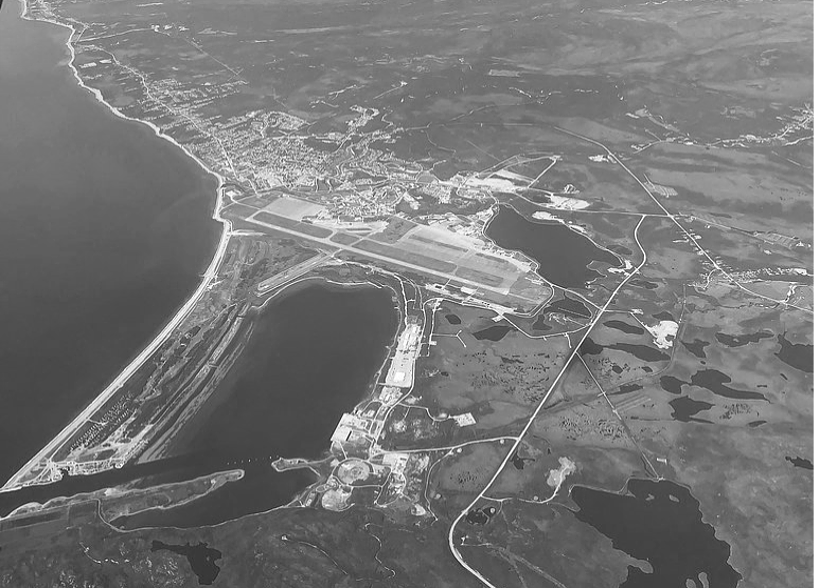
- Runway Length: 10,000-foot military-grade runway, capable of handling the largest aircraft.
- Strategic Location: Positioned on key North Atlantic trade and aviation corridors, with proximity to a deep-water port.
Experts would likely conclude that BTG Capital's acquisition of Stephenville International Airport represents a high-risk, high-reward bet on the growing strategic importance of resilient infrastructure in an era of geopolitical uncertainty and supply chain disruptions.
Newfoundland's Strategic Runway: A Private Equity Bet on Geopolitics
STEPHENVILLE, NL – June 16, 2026
A quiet, but strategically vital, corner of Atlantic Canada is now at the center of a high-stakes play blending private equity, geopolitics, and supply chain resilience. Calgary-based BTG Capital has officially acquired the Stephenville International Airport (SIA) in Newfoundland, a facility with a storied military past that has recently languished in a state of disrepair and broken promises. The acquisition, finalized through a court-monitored receivership sale, marks a pivotal moment for an asset that is both a symbol of local economic hope and a potential key piece in North America's evolving security and logistics framework.
BTG Capital, operating through the newly formed Stephenville International Airport Corp. (SIAC), is not merely buying a runway; it is acquiring a narrative. It's a story of rescuing a critical piece of infrastructure from the brink of collapse and betting that its geographic and physical attributes are more valuable today than at any point since the Cold War. As C. Brett Stevenson, Managing Partner of BTG Capital, stated, the firm sees a "highly differentiated infrastructure investment opportunity with exceptional long-term strategic value."
From Broken Promises to a Calculated Bid
To understand the significance of BTG's arrival, one must look at the airport's recent, turbulent history. The facility was plunged into chaos under the ownership of Ottawa businessman Carl Dymond, whose Dymond Group of Companies acquired the airport in 2023 for a nominal sum. What followed was a series of grand, unfulfilled promises—including plans for a high-tech drone manufacturing hub and the creation of thousands of jobs—that ultimately devolved into financial ruin.
By early 2025, the airport was drowning in debt, including hundreds of thousands in unpaid property taxes to the Town of Stephenville and a multi-million dollar lawsuit from contractors. The situation deteriorated to the point where Transport Canada downgraded the airport's certification, and in June 2025, the power was cut due to unpaid bills, leaving the facility dark and non-operational for nearly a year. For the community of Stephenville, it was a bitter disappointment, a "sore spot" that left a scar of skepticism.
BTG Capital's entry was not as a white knight, but as a calculated financial player. The firm became a significant secured creditor to the airport's previous owner and, as the facility entered receivership, positioned itself as the "stalking horse" bidder. This maneuver set a floor price of approximately $6 million for the asset, a sum structured to cover priority claims, including the town's back taxes, receiver's fees, and the debt owed to BTG itself. The court's approval of the sale to SIAC in May 2026 cleared the way for a new chapter, one based on financial pragmatism rather than speculative fantasy.
A Strategic Asset on the Edge of the Atlantic
SIA is no ordinary regional airport. Built by the U.S. military as Ernest Harmon Air Force Base in 1941, its centerpiece is a formidable 10,000-foot, military-grade runway capable of handling the largest aircraft in the world. For decades, it was a critical refueling stop for transatlantic military flights and was even designated an alternate landing site for NASA's Space Shuttle. This legacy infrastructure is the core of BTG's strategic bet.
In today's geopolitical climate, such assets are gaining renewed importance. The press release highlights plans to evaluate "military and defence-related activity," a nod to the airport's potential role in supporting Canadian and NATO operations. With growing interest in Arctic sovereignty and the need for resilient, decentralized logistics hubs, Stephenville's location on the key North Atlantic trade and aviation corridors makes it an undeniably strategic piece of real estate. Its proximity to a deep-water port only amplifies its potential as an intermodal hub for cargo, defense, and industrial activity.
BTG's investment thesis hinges on the idea that in an era of supply chain disruptions and great power competition, secure and strategically located infrastructure is the ultimate currency. "Stephenville's infrastructure footprint, geographic positioning and scalability create a compelling foundation for long-term development," Stevenson added, signaling a vision that extends far beyond regional passenger flights.
The Private Equity Playbook for Critical Infrastructure
This acquisition is a textbook example of a broader trend: private capital moving into the realm of critical public infrastructure. BTG Capital describes its strategy as a "value-add ownership approach," which contrasts sharply with the passive management often seen in municipal or public-trust models. This hands-on playbook involves operational revitalization, modernizing core infrastructure, and aggressively pursuing commercial development across multiple sectors—from aerospace and defense to advanced manufacturing and energy integration.
A key first step is the engagement of The Loomex Group, a seasoned Canadian airport management specialist. This move signals a professional, operations-first approach aimed at restoring the airport's certification and credibility. It's a deliberate action to show that this new ownership is focused on operational excellence, not just financial engineering. The extensive list of opportunities BTG intends to evaluate—from MRO capabilities to logistics and fuel services—suggests a plan to build a diversified, resilient business model that doesn't rely on a single revenue stream.
A Town's Cautious Optimism
For the town that watched its airport's lights go out, this news is a beacon of hope, albeit a cautious one. "This announcement represents an important milestone for Stephenville and reinforces the significant strategic value of both our community and the airport," said Mayor Bob Byrnes. The town council has reportedly been in close contact with BTG, and arrangements are being made to settle the substantial tax arrears, a crucial step in mending the relationship between the airport and the community it serves.
Mayor Byrnes has expressed optimism that the airport could reopen as soon as this summer and has welcomed BTG's commitment to collaboration. After the previous letdown, the community is looking for tangible action. BTG's emphasis on long-term partnership with local stakeholders, including Indigenous groups and the province, will be critical to rebuilding trust. The success of this venture will be measured not only in cargo tonnage or military contracts but in its ability to generate sustainable economic development for a region ready for a second chance.