
- 2,500+ schools targeted globally, reaching nearly 1.7 million students
- One in three internet users is a child, highlighting the scale of digital risks
- One in seven adolescents lives with a mental health condition, often exacerbated by online harms
Experts agree that the toolkit represents a critical step in transforming child protection from policy to consistent, daily practice, addressing both digital risks and cultural barriers that hinder reporting and intervention.
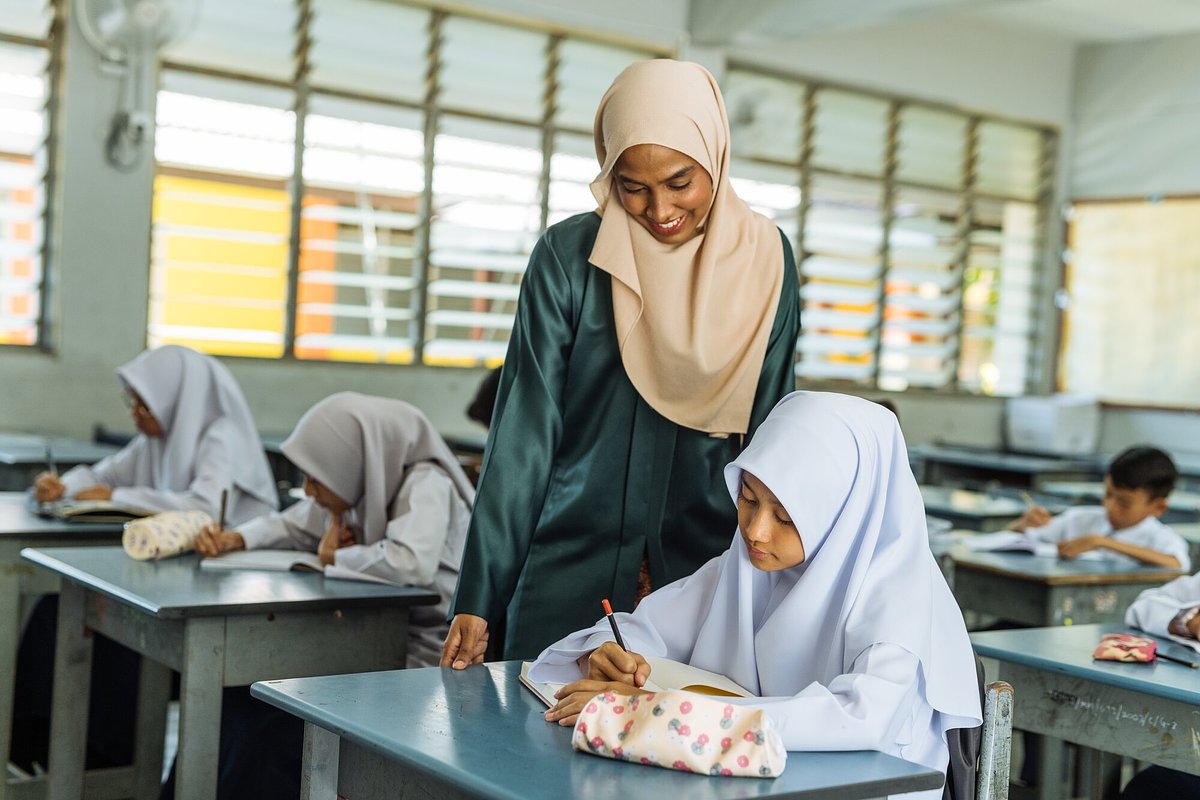
New UK-UNICEF Toolkit Aims to Shield Saudi Students from Digital Risks
RIYADH, Saudi Arabia – March 26, 2026 – The British Council, in partnership with UNICEF, has launched a new global Safeguarding Toolkit aimed at equipping schools in Saudi Arabia and worldwide to combat a complex web of digital risks and cultural barriers that endanger students. The initiative seeks to transform child protection from a policy on paper into a consistent, daily practice for a network of over 2,500 schools.
The move comes as educators grapple with threats that have evolved far beyond the schoolyard. With UNICEF reporting that one in three internet users globally is a child, the digital world has become a new, often invisible, frontier for safeguarding. The problem is particularly acute in regions like the Middle East, where high internet penetration coexists with cultural factors that can discourage children from speaking out.
This initiative isn't just about awareness, which many schools already have, but about closing the persistent gap in implementation. It provides a structured framework to help teachers and administrators move beyond individual judgment to a unified, systemic response.
Navigating the New Digital Frontier
The modern risks facing students are increasingly sophisticated. The toolkit is designed to address a landscape of threats that includes not just cyberbullying and harassment, but also online grooming, coercion, impersonation, and the emerging danger of AI-generated sexual imagery. Research in Saudi Arabia shows that while children are highly active online, primarily on smartphones, there is a significant gap in research-informed online safety education.
Parents express deep concern about their children encountering harmful content, developing internet addiction, and being targeted by anonymous actors. The World Health Organization estimates that one in seven adolescents lives with a mental health condition, a vulnerability that often intersects with and is exacerbated by online harms. The new toolkit provides school staff with concrete protocols to identify and respond to these intertwined online and offline risks, enabling intervention before a concern escalates into a crisis.
Fakhar Jaffery, Exams Director for KSA, Kuwait and Bahrain at the British Council, highlighted the local challenges. “In Saudi Arabia, schools are navigating a rapidly changing landscape covering digital risks - ranging from wrongful use of AI to online bullying and harassment,” he said. “At the same time, stigma can make disclosure difficult for many students. This Toolkit provides school leaders, teachers and the wider community with the structure needed to recognise concerns early and respond consistently, ensuring safer learning environments for students.”
From Policy on Paper to Daily Practice
A key objective of the toolkit is to bridge the chasm between having a safeguarding policy and living it. Many schools have written policies, but the day-to-day decision-making can be inconsistent, leaving protection up to the variable judgment of individual staff members. This is compounded in the Middle East and North Africa by a culture where social stigma can be a powerful deterrent to reporting abuse or concerns.
Studies show that children often hesitate to report maltreatment due to fear, a lack of confidence in the system, or being unaware that what they are experiencing constitutes abuse. The British Council and UNICEF's resource directly confronts this by promoting a 'whole-school approach.'
It establishes clear, role-based responsibilities, standardized recording and follow-up procedures, and shared thresholds for escalating concerns. By providing templates for reporting, risk analysis tools, and guidance on creating coordinated intervention plans, the toolkit aims to build a reliable and predictable system. This structure is intended to empower staff with the confidence to act and provide students with clearer, more trustworthy channels for disclosure, knowing that their concerns will be handled professionally and consistently.
A Global Blueprint for Scalable Safety
The collaboration between a major cultural and educational organization and the world's leading children's agency signals the ambition of the project. Rolling out across more than 2,500 British Council Partner Schools in over 40 countries, the initiative will reach nearly 1.7 million students. This scale offers the potential to create a global blueprint for effective, adaptable child protection in education.
Almudena Olaguibel, Child Protection Officer at UNICEF Spain, emphasized the systemic philosophy behind the project. “The Safeguarding Toolkit reflects a shared understanding between the British Council and UNICEF that effective protection depends on systems, not improvisation,” she stated. “As safeguarding risks become more complex and less visible, preparation, clarity and shared responsibility across school communities are essential.”
The toolkit’s design is notable for its adaptability. While promoting a consistent standard of care, it is built to be flexible enough to align with the diverse legal and cultural contexts of the countries in which partner schools operate. This approach attempts to solve a common problem in international education, where Western-centric safeguarding models can fail if they do not account for local realities and laws.
By creating a framework that is both globally consistent and locally relevant, the initiative aims to set a new benchmark. It moves beyond the work of other international bodies, which often focus on high-level frameworks, by providing a practical, on-the-ground resource for teachers and administrators. The toolkit's success in this vast and varied network could influence safeguarding practices in schools well beyond the British Council's immediate sphere of influence, offering a tested model for others to follow inscribe.
Topics & Related
AI & Machine Learning
Education & Research
Generative AI
Cybersecurity & Privacy
Sustainability & Climate
Related Company Pulse