
- MOSAIC Rule Impact: Replaces the 1,320-pound weight limit for sport pilots with a clean stall speed of 59 knots or less, unlocking access to popular aircraft like the Cessna 172 and Piper PA-28.
- Simulation Training: The FAA allows up to 2.5 hours of simulator training to be credited toward a sport pilot certificate, enhancing affordability and safety.
- Pilot Privileges Expanded: Sport pilots can now fly at night, operate advanced aircraft features, and carry more passengers with proper training and endorsements.
Experts believe the MOSAIC rule and advanced simulation technology will democratize aviation, making it safer, more affordable, and accessible to a diverse range of aspiring pilots while maintaining high training standards.
New Rules, New Tech: How Aviation Is Opening the Cockpit to Everyone
LAKELAND, FL – April 13, 2026 – As the SUN ’n FUN Aerospace Expo kicks off, the buzz isn’t just about the roar of engines overhead. It’s about a fundamental shift in who gets to fly them. At the heart of this transformation are two powerful forces: sweeping regulatory changes from the FAA and the rise of ultra-realistic flight simulation technology. Today, at the expo's exclusive Innovation Showcase, industry leader Gleim Aviation is highlighting how these forces are converging to create a more accessible and standardized pathway into the flight deck.
The Gainesville-based company, a veteran in aviation education for over 45 years, is presenting its vision for the future of sport pilot training, a segment of aviation poised for explosive growth thanks to the FAA’s Modernization of Special Airworthiness Certification (MOSAIC) initiative.
The MOSAIC Revolution: Democratizing the Skies
Finalized in mid-2025, the MOSAIC rule represents the most significant overhaul of light aircraft regulation in decades. It effectively dismantles old, restrictive definitions and ushers in a new era of performance-based standards. The changes, which began taking effect in October 2025, are designed to make flying safer, more modern, and more affordable.
Previously, sport pilots were largely confined to flying Light-Sport Aircraft (LSA) weighing no more than 1,320 pounds. MOSAIC replaces this rigid weight limit with a more flexible performance metric: a clean stall speed of 59 knots or less. This single change unlocks the cockpit doors of a vast fleet of popular, time-tested aircraft that were previously off-limits to sport pilots, including many variants of the Cessna 172 and Piper PA-28—the very planes that form the backbone of flight training fleets worldwide.
"MOSAIC doesn’t just change the rules—it changes who gets to become a pilot," said Ryan Jeff, Chief 141 Instructor at Gleim Aviation, who is representing the company at the showcase. "For the first time, we’re seeing a pathway that expands access while still maintaining structure and safety."
Beyond aircraft access, the new rule grants sport pilots expanded privileges once reserved for higher-level certificates. With the proper training and endorsements, they can now fly at night, operate aircraft with retractable landing gear and constant-speed propellers, and carry more than one passenger (though sport pilots themselves are still limited to flying with a single passenger). This expansion not only makes the sport pilot certificate more appealing but also creates a more seamless bridge for those who may wish to pursue a private pilot certificate or higher in the future.
Industry experts believe the impact will be profound. By lowering the cost and complexity barriers, MOSAIC is expected to invigorate the general aviation community, attracting a new and more diverse generation of pilots and potentially encouraging former aviators to return to the skies.
The Virtual Co-Pilot: Simulation Reshapes Training
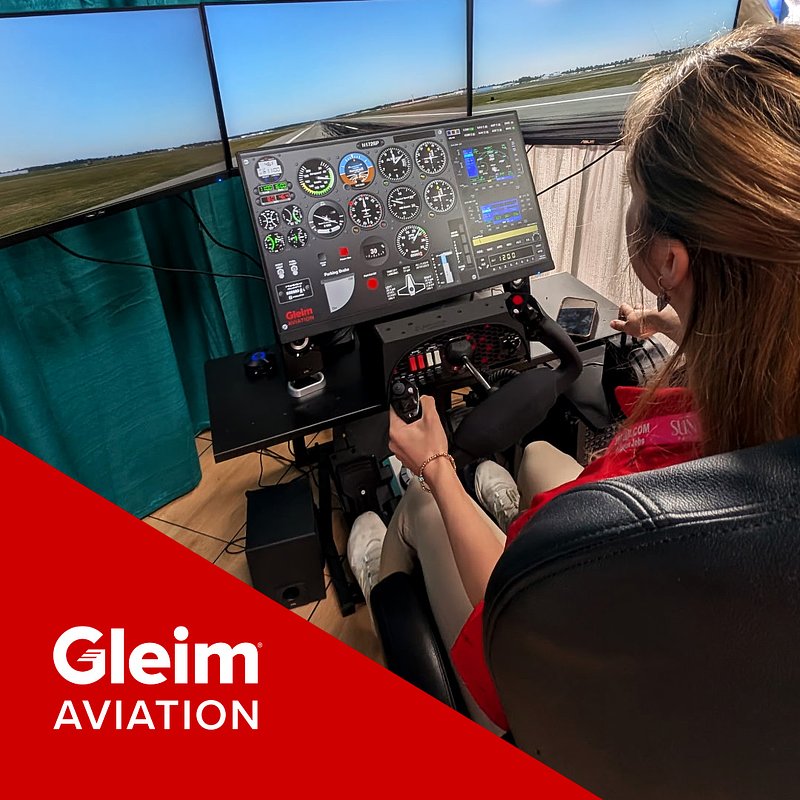
Running parallel to the regulatory overhaul is a technological revolution in flight training. Advanced flight simulators, once the exclusive domain of airlines and high-end training centers, are now accessible, affordable, and incredibly powerful. The FAA has recognized their value by allowing sport pilot applicants to credit up to 2.5 hours of training in a qualified simulator, a nod to the technology's effectiveness.
This is where companies like Gleim are focusing their efforts. Their XFTC flight training simulation course, built on the highly realistic X-Plane software platform, is more than just a game. It integrates the complete FAA-approved private pilot syllabus, providing a structured curriculum with a virtual instructor that offers real-time guidance, corrective feedback, and post-flight evaluations. This allows student pilots to practice everything from basic maneuvers to complex emergency procedures in a safe, controlled, and cost-effective environment.
Studies have consistently shown the benefits of simulation-based training. According to one independent aviation expert, simulators allow for a level of repetition and exposure to scenarios that would be impractical or dangerous in a real aircraft. “A student can practice an engine failure ten times in an hour in a sim. That’s invaluable,” the expert noted. “It builds muscle memory and decision-making skills that translate directly to the cockpit, ultimately creating a safer, more proficient pilot at a lower cost.”
By enabling students to master concepts on the ground, simulators reduce the time and money spent in the actual aircraft. This not only makes flight training more affordable but also more efficient, helping students build confidence and proficiency before their lessons even begin.
A Standardized Pathway to the Sky
With new rules expanding access and new technology refining the learning process, the challenge for the industry is to ensure a consistent, high-quality training experience. Gleim Aviation, leveraging its long history and FAA and STEM accreditations, is positioning itself to provide that structure.
By aligning its simulation courses and training materials directly with the evolving FAA standards under MOSAIC, the company aims to create a standardized journey for the growing number of aspiring sport pilots. This is particularly crucial for flight schools and high school STEM programs, which can now implement a cohesive curriculum that blends ground school, simulation, and in-flight training.
"At Gleim, we’ve focused on building training solutions that help both pilots and schools navigate that shift with clarity and confidence,” Jeff stated. This strategic focus ensures that as the pilot population grows, the standards for safety and proficiency grow with it.
The convergence of regulatory modernization and technological innovation is creating a watershed moment for general aviation. As demonstrated at SUN 'n FUN, the future of flight training will be a hybrid model where the virtual and real worlds work in concert. This approach promises not only to swell the ranks of the pilot community but also to ensure that the next generation of aviators is the best-trained and most prepared in history.