
- 71% healing rate with AmchoPlast™ vs. 23% with standard care in diabetic foot ulcers
- 6.3% of adult diabetics globally affected by foot ulcers, with 13% in North America
- $50,000+ per ulcer in management costs, with $17B annual U.S. spending on diabetic foot complications
Experts agree that AmchoPlast™ represents a significant advancement in treating chronic diabetic foot ulcers, with robust clinical evidence supporting its ability to dramatically improve healing rates and reduce amputation risks.
New Hope for Diabetic Wounds: Allograft Triples Healing Rates in Study
ROSWELL, GA – December 16, 2025 – In what could be a significant leap forward for one of the most debilitating complications of diabetes, a new study has demonstrated that a regenerative tissue allograft dramatically improves healing rates for chronic foot ulcers. The peer-reviewed research, published in the journal Cureus, found that the allograft, AmchoPlast™, tripled the rate of complete wound closure when added to standard treatments.
These findings, announced today by regenerative medicine company Cellution Biologics Inc., provide a powerful new data point for clinicians battling non-healing diabetic foot ulcers (DFUs), a condition notorious for its resistance to treatment and its devastating consequences, including amputation. The interim results from two ongoing clinical trials show that 71% of patients treated with AmchoPlast™ achieved full wound closure, compared to just 23% of patients who received only the standard of care.
“These results reflect the real-world impact our offerings can have on patients and providers managing the most challenging chronic wounds,” said Shiva Arjunon, President of Cellution Biologics Inc., in a statement accompanying the announcement. This publication marks the company's first peer-reviewed clinical article, signaling a strategic focus on evidence-based validation for its products.
The Crippling Burden of Diabetic Foot Ulcers
The need for more effective DFU treatments is staggering. Globally, diabetic foot ulcers affect an estimated 6.3% of the adult diabetic population, with North America reporting the highest prevalence at 13%. Experts estimate that up to one-third of all individuals with diabetes will develop a foot ulcer during their lifetime.
These are not minor sores; they are complex wounds that can tunnel deep into tissue and bone, leading to severe infections and, all too often, amputation. DFUs precede approximately 85% of all diabetes-related lower-extremity amputations. The prognosis following such an event is grim, with five-year mortality rates as high as 70% for patients who undergo an above-foot amputation - a survival rate worse than many cancers.
The economic toll is equally immense. The management of a single advanced ulcer can cost upwards of $50,000, with the United States spending over $17 billion annually in direct costs related to diabetic foot complications. This financial strain is compounded by the profound impact on a patient's quality of life, which often involves chronic pain, reduced mobility, frequent and burdensome clinic visits, and significant psychological distress.
Despite the scale of the problem, the core principles of DFU care - including removal of dead tissue, pressure reduction (offloading), and infection management - have seen limited innovation over the past two decades, leaving a significant unmet medical need.
A Closer Look at the Clinical Evidence
The study, titled “Bridging the Wound Gap: Interim Results from Randomized Trials Evaluating Dehydrated Human Amnion-Intermediate Layer-Chorion Membrane for the Treatment of Non-healing Diabetic Foot Ulcers,” provides a robust look at a promising new adjunct therapy. The research encompasses interim data from two prospective, randomized, multicenter clinical studies, including the ongoing ELITE study, from which the 71% healing rate was reported.
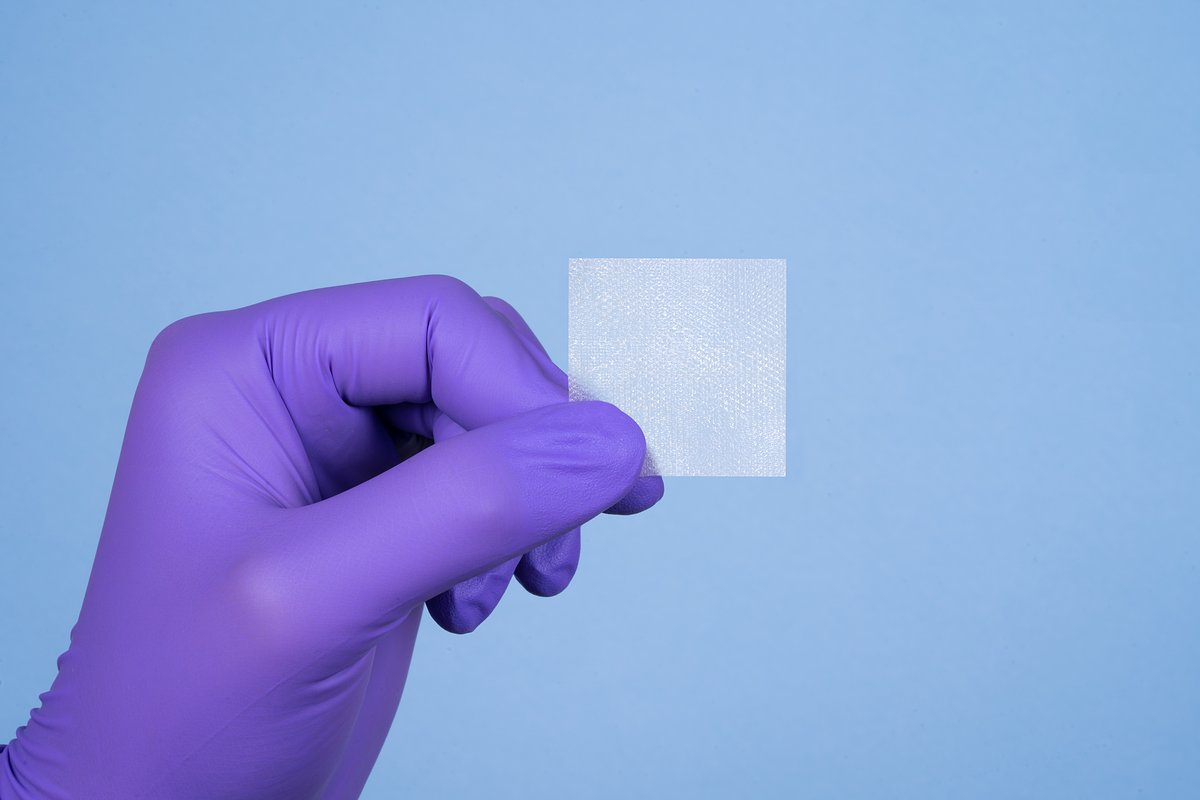
AmchoPlast™ is a dehydrated human amnion-intermediate layer-chorion membrane (dHAICM). In simpler terms, it is a tissue allograft derived from the amniotic sac that is processed and prepared for use as a protective wound covering. Such tissues are rich in growth factors, anti-inflammatory proteins, and other biological components that are known to support the body's natural healing processes. When placed over a debrided wound, the allograft acts as a scaffold and a source of crucial signaling molecules, aiming to restart a healing process that has stalled.
This type of product typically falls under the U.S. Food and Drug Administration's (FDA) regulatory framework for Human Cells, Tissues, and Cellular and Tissue-Based Products (HCT/Ps). These allografts are regulated to ensure safety and proper handling but do not require the lengthy pre-market approval process of drugs or devices, provided they are minimally manipulated and intended for homologous use - in this case, serving as a protective wound barrier.
A Strategy Built on Scientific Validation
For Cellution Biologics, the publication is more than just a clinical success; it is the cornerstone of a business strategy centered on scientific rigor. In a healthcare environment increasingly demanding evidence-based medicine, providing strong clinical data is a key differentiator in the crowded advanced wound care market.
The market for DFU treatments includes a wide array of options, from advanced dressings and negative pressure wound therapy to other bioengineered skin substitutes and allografts. By investing in randomized controlled trials and seeking peer-reviewed publication, Cellution Biologics is working to solidify AmchoPlast™’s position as a clinically proven option rather than just another available product.
“This first publication is not only a scientific milestone for Cellution Biologics Inc., but also a meaningful validation of our mission to bring high-quality, clinically supported allograft solutions to healthcare professionals,” Arjunon stated. He added that the company's commitment extends beyond this single study, with several other clinical publications in progress for therapies in burn reconstruction, soft tissue repair, and ocular applications.
This concerted effort to build a portfolio of evidence underscores a long-term vision. As clinicians and hospital administrators weigh the costs and benefits of advanced therapies, data demonstrating a three-fold increase in healing rates provides a compelling argument for adoption, potentially leading to fewer amputations, shorter treatment times, and a reduction in the overall economic and human burden of diabetic foot ulcers.