
- 420,000+ individuals affected by a 2024 data breach at American Addiction Centers
- 3,500+ individuals guided through the HARP recovery program since its inception
- $2.75 million settlement approved for the data breach lawsuit
Experts in addiction treatment and criminal justice reform would likely conclude that the film 'What It Takes' effectively highlights innovative recovery programs and the power of music therapy, while also acknowledging the complex challenges faced by American Addiction Centers in balancing public advocacy with corporate accountability.
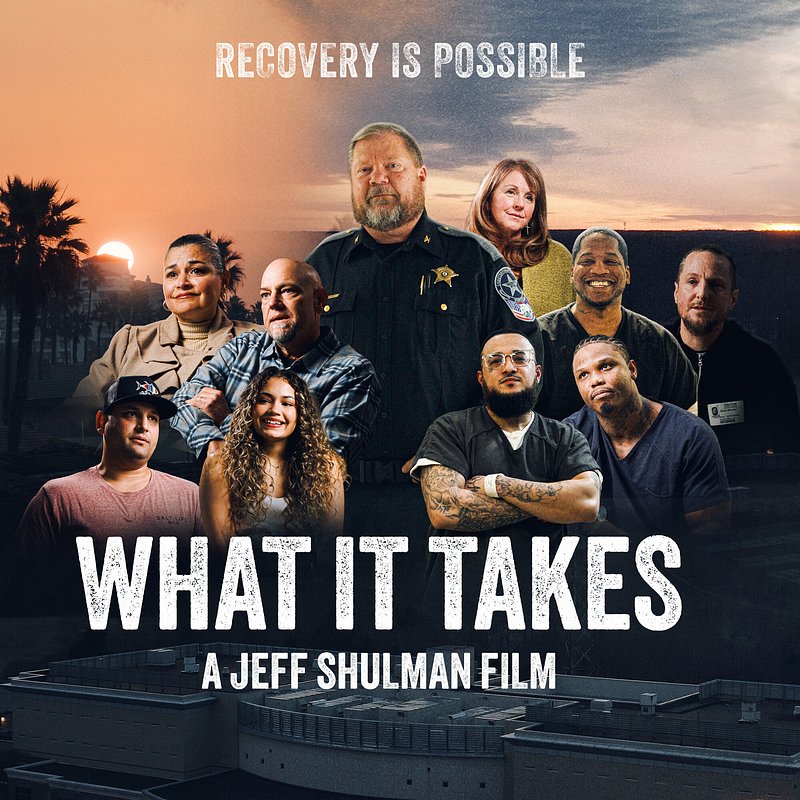
New Film 'What It Takes' Tackles Addiction Stigma with Music and Hope
BRENTWOOD, TN – April 15, 2026 – As Alcohol Awareness Month casts a national spotlight on substance use, a new documentary tour is launching with the ambitious goal of reshaping the public conversation around addiction. American Addiction Centers (AAC), a leading national treatment provider, has partnered with filmmaker Jeffrey D. Shulman to promote “What It Takes,” a film that delves into the raw, personal journeys of recovery. The five-city tour aims to leverage the power of storytelling to dismantle stigma, but it arrives as AAC navigates the fallout from its own recent legal and operational challenges.
The collaboration seeks to merge the emotional impact of cinema with community action. Each screening will be followed by panel discussions featuring experts and individuals from the film, designed to turn an evening at the movies into a catalyst for change.
A Tale of Two Paths to Recovery
At its core, “What It Takes” weaves together two seemingly disparate narratives connected by themes of trauma, resilience, and the unexpected power of music. The first story follows a West Coast family grappling with the devastating impact of alcoholism. The second transports viewers inside the walls of a Virginia jail to spotlight an innovative, trauma-informed recovery program for inmates.
According to the film’s creators, these stories intersect through powerful concert moments where artists’ acts of kindness become pivotal turning points for the film’s subjects. Music transcends its role as a soundtrack, emerging as a central force for healing and a tangible pathway toward believing in a different future.
“I knew these stories needed to be told because it was a personal mission for me,” said filmmaker Jeffrey Shulman in a statement. Shulman, whose previous work includes the PBS-available documentary “On the Brink,” explained his motivation stemmed from personal experience. “I’ve watched someone I love struggle with addiction. I’ve felt alone, ashamed, and frustrated... This film is about changing that, helping people see they’re not alone and showing that even in the darkest moments, there is still a path forward.”
One of the film’s subjects is a former patient of Laguna Treatment Center, an AAC facility in Orange County, California. His story reportedly captures a life-threatening crisis and the ultimatum from his daughter that finally pushed him to seek help. “Recovery doesn’t usually begin in a perfect moment. It often starts in crisis,” noted Trace Swartzfager, Executive Director of Laguna Treatment Center. “To have one of our former patients share that journey in a way that can reach others is incredibly meaningful.”
Innovative Programs in the Spotlight
The documentary also provides a platform for the Helping Addicts Recover Progressively (HARP) program in Chesterfield County, Virginia. The film follows the journeys of four inmates in the program, which has guided over 3,500 individuals through a structured recovery model since its inception.
While films can sometimes embellish for narrative effect, the HARP program’s success is substantiated by independent research. A 2019 study by Virginia Commonwealth University’s L. Douglas Wilder School of Government and Public Affairs found the program was effective in saving lives and significantly reducing recidivism. The study noted that HARP graduates had a substantially lower rate of re-arrest compared to their peers, validating its intensive, voluntary approach to recovery within the justice system.
Chesterfield County Sheriff Karl Leonard praised the film’s potential to combat stigma. “Allowing Jeff Shulman to come into our jail, and into the center of HARP to film the remarkable people in the program and see firsthand what hope looks like, is another level of chipping away at stigma,” Leonard stated.
The film’s focus on music as a healing agent also aligns with growing evidence in the addiction treatment field. Music therapy is recognized as a clinical, evidence-based practice that can help individuals process complex emotions, reduce stress, and manage cravings by stimulating dopamine pathways in the brain. Similarly, art therapy is endorsed by the Substance Abuse and Mental Health Services Administration (SAMHSA) as a complementary treatment that provides a non-verbal outlet for processing trauma, a common root of substance use disorders.
A Campaign for Hope Amidst Corporate Challenges
For American Addiction Centers, this partnership represents a significant public-facing initiative to promote education and hope, reinforcing its mission to make high-quality care accessible. The company has published its own outcome studies showing that patients report significant decreases in substance use and improvements in mental and physical health 12 months after treatment.
However, this high-profile campaign for public good comes at a complex time for the treatment provider. AAC has recently contended with serious legal and public relations issues. In December 2025, the company received preliminary court approval for a $2.75 million settlement in a class-action lawsuit stemming from a 2024 data breach that exposed the personal and health information of over 420,000 individuals. The final approval hearing for that settlement is scheduled for April 20, just days before the film tour kicks off in Virginia.
This follows other past challenges, including a $7 million verdict in 2018 related to a patient’s suicide and a now-dismissed defamation lawsuit against an industry association. Online employee reviews also paint a mixed picture of the company’s internal culture, with some former staff citing issues of understaffing and a focus on profit.
This backdrop presents a dual reality: a corporation promoting a message of healing and recovery on a national stage while simultaneously managing the consequences of its own operational and security failings. The “What It Takes” tour, therefore, becomes more than just a film promotion; it is a complex exercise in corporate social responsibility and brand rehabilitation in an industry where trust is paramount.
The tour is scheduled to make stops in Richmond, VA; Delaware, OH; Seattle, WA; Santa Ana, CA; and Wilmette, IL, through April, May, and June. Following the initial run, the filmmakers plan to expand access through community-hosted screenings, inviting local organizations to continue the conversation. Shulman’s closing sentiment encapsulates the project's ultimate ambition: “If this film can help even one person feel less alone or take a step toward getting help, then it’s done what it was meant to do.”