
- $500–$1,000: Cost per NAD+ IV session, positioning it as a high-end luxury service.
- 85% success rate: NeuroRelief's reported efficacy for ketamine infusions in treating mental health conditions.
- 7,000+ infusions: Total ketamine treatments administered by the clinic since 2019.
Experts caution that while NAD+ IV therapy shows theoretical promise, its efficacy for wellness lacks robust clinical evidence, raising ethical concerns about premium pricing for unproven treatments.
NeuroRelief's NAD+ Push: A Bet on Cellular Wellness or a Leap of Faith?
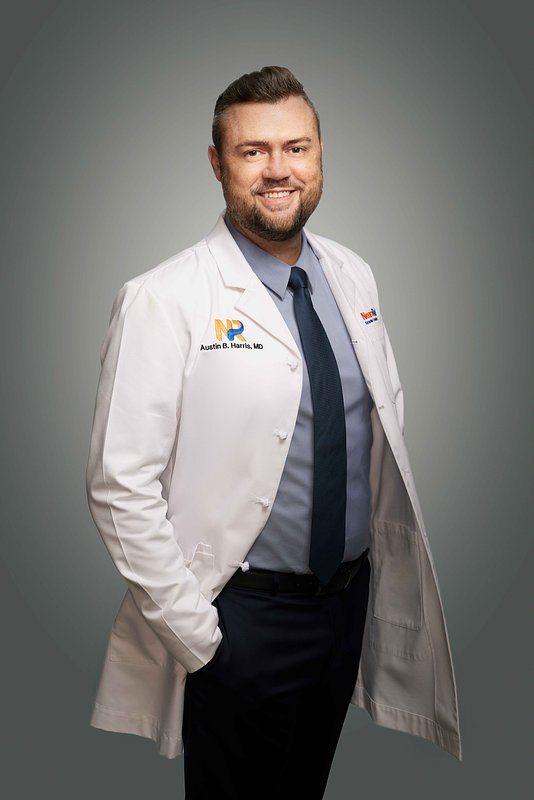
SHERMAN OAKS, CA – June 19, 2026 – NeuroRelief Ketamine & Infusion Therapy, a clinic that built its reputation on administering ketamine for mental health, has announced a significant expansion into the burgeoning—and controversial—market of cellular wellness. Founder Dr. Austin Harris, MD, revealed this week that the Sherman Oaks practice will begin offering NAD+ IV infusion therapy, positioning the treatment as a physician-led path to enhanced energy, cognitive clarity, and overall vitality.
The move places NeuroRelief squarely at the intersection of medical innovation and the high-end wellness industry, a space where patient demand for "biohacking" and anti-aging solutions often outpaces definitive scientific consensus. In a statement, Dr. Harris emphasized that the new offering aligns with the clinic’s focus on "evidence-informed wellness and cellular health optimization," with all treatments administered under direct medical supervision following a clinical evaluation. This expansion signals a strategic pivot for the clinic, diversifying beyond psychiatric care into the lucrative, and less regulated, arena of holistic health optimization.
The Promise of a Cellular Recharge
At the heart of this new service is Nicotinamide Adenine Dinucleotide (NAD+), a coenzyme found in every living cell. Its role is fundamental; it's a critical component in the metabolic processes that convert food into energy and is essential for DNA repair and maintaining mitochondrial function. Scientific understanding confirms that natural NAD+ levels decline with age, a drop associated with fatigue, cognitive sluggishness, and other age-related conditions.
The premise of NAD+ IV therapy is compellingly simple: replenish these declining levels directly. Proponents claim that by delivering the coenzyme intravenously—bypassing the digestive system for maximum bioavailability—patients can experience a host of benefits. These range from reversing "brain fog" and chronic fatigue to supporting cellular repair mechanisms that combat oxidative stress. The therapy is marketed not only to those feeling the effects of age-related decline but also to healthy individuals seeking to optimize performance and resilience.
"NAD+ is fundamental to how cells produce energy and maintain function,” Dr. Harris stated in the announcement. “Our approach is focused on supporting patients at the cellular level so they can experience improvements in energy, cognition, and overall well-being through medically guided care.” This narrative of a "cellular recharge" has found a receptive audience, fueled by celebrity endorsements and a cultural fascination with extending healthspan.
A Market in Search of Hard Evidence
Despite the enthusiasm, a growing number of researchers and medical experts are urging caution, pointing to a significant gap between marketing claims and robust clinical data. A landmark systematic review published in Ageing Research Reviews earlier this year scoured scientific literature and found no eligible human trials testing intravenous NAD+ for anti-aging or general wellness outcomes. While studies on oral NAD+ precursors like Nicotinamide Riboside (NR) exist, their results on functional outcomes in humans have been mixed.
Critics argue that the popular explanation of IV NAD+ "refilling" cells is a biological oversimplification. The molecule is large, and many scientists believe it is broken down before its components are used by cells for re-synthesis, a process that may not be more effective than taking oral precursors. One recent pilot study directly comparing IV NAD+ to an IV form of its precursor, NR, found that NR was better tolerated and led to a significantly greater increase in blood NAD+ levels. The group receiving direct NAD+ infusions reported moderate to severe side effects, including nausea, cramping, and chest pressure.
"The enthusiasm is understandable, but we are in a situation where the marketing has sprinted miles ahead of the science," one neurologist not affiliated with any infusion clinic commented. "Patients are paying premium prices for a therapy whose efficacy for wellness is based more on theory and anecdote than on rigorous, placebo-controlled trials." The cost is indeed premium, with single sessions frequently ranging from $500 to over $1,000, raising ethical questions about selling unproven treatments as a high-end luxury good.
From Ketamine to Cellular Health: NeuroRelief's Strategic Pivot
For NeuroRelief, this expansion represents a calculated diversification. Founded in 2019 by Dr. Harris, a board-certified cardiothoracic anesthesiologist, the clinic has administered over 7,000 ketamine infusions for depression, PTSD, and chronic pain, reporting an 85% success rate. Its model is built on physician-led, highly personalized care, a selling point it now extends to its NAD+ offering.
However, a review of public records adds a complex layer to the clinic's narrative of "strict clinical standards." In September 2021, the Medical Board of California issued a "Stipulated Settlement and Disciplinary Order" against Dr. Harris related to an accusation filed four years prior. While the specifics of the case are not detailed in readily available records, the existence of a past disciplinary action from the state's medical authority raises questions as the clinic ventures into a field with minimal regulatory oversight.
This move into NAD+ therapy aligns NeuroRelief with a major industry trend. Wellness clinics and "med spas" are increasingly adding IV drips to their menus, creating a competitive landscape where medical legitimacy is a key differentiator. By leveraging Dr. Harris's credentials and the clinic's history with the complex administration of ketamine, NeuroRelief is positioning itself as a more credible and safer option than less-regulated providers.
The strategy is to build a holistic practice where treatments for the mind (ketamine) and the body (NAD+) exist under one roof, unified by a philosophy of cellular-level optimization. The success of this pivot will depend on whether patients see the value in paying a premium for a medically supervised experience, even for a therapy whose ultimate benefits remain a subject of scientific debate. As the wellness market continues to blend medicine with lifestyle, NeuroRelief's new chapter will be a closely watched test of whether a reputation built in one demanding field can be successfully transferred to another.