
- 7 to 9: Elite runner Nicholas Bester's self-reported freshness levels improved from 7 to 9 out of 10 after using vagus nerve stimulation (VNS).
- 3 to 8: Amateur runner Michael Adeniran's morning freshness and relaxation scores increased from 3 to 8 out of 10 with consistent VNS use.
- 300,000+: Pulsetto's user base has grown to over 300,000, adopting nervous system training for recovery.
Experts agree that vagus nerve stimulation shows promising potential for enhancing athletic recovery and stress resilience, but emphasize the need for more large-scale studies to confirm long-term benefits and optimal protocols.
Nervous System Training: The New Frontier in Athletic Recovery
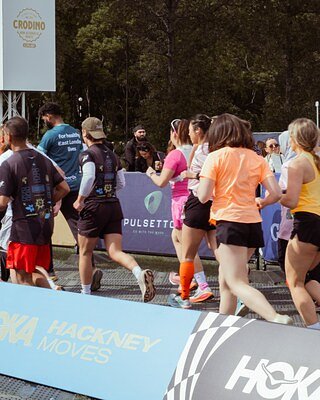
LONDON – June 01, 2026 – For decades, runners have focused on muscles, mileage, and nutrition. But a new study suggests the secret to better performance and faster recovery might lie not in the legs, but in the nervous system. Ahead of Global Running Day, wearable tech brand Pulsetto has released findings from its HOKA Hackney Half Marathon Runner Recovery Project, revealing how stimulating a critical nerve could be a game-changer for both elite and everyday athletes.
The study tracked runners training for the London half marathon, providing them with a neck-worn device that uses vagus nerve stimulation (VNS). The results point towards significant improvements in recovery, sleep, and stress management, introducing a concept the company calls "Stress Fitness"—proactively training the nervous system for resilience.
From Elite Paces to Everyday Stresses
The real-world pilot provided personalized VNS protocols to a group of runners, tracking their progress through wearable data (like heart rate variability and sleep scores) and weekly surveys. The findings highlight a tale of two different athletes finding a similar edge.
Nicholas Bester, an elite runner logging over 140 kilometers per week, faced the immense challenge of staying fresh between grueling sessions. After incorporating the VNS device into his daily routine, his self-reported freshness levels climbed from a 7 to a 9 out of 10. His wearable data backed this up, showing improved heart rate variability (HRV)—a key indicator of recovery—despite his intense training load. "When I was training, the hardest part was trying to stay fresh between each race," Bester said. "I used Pulsetto after hard sessions and before bed each night to help me feel recovered mentally and physically."
On the other end of the spectrum was Michael Adeniran, an amateur runner juggling training with the demands of fatherhood and a busy life. Plagued by a "massive lack of sleep" and the difficulty of unwinding after evening runs, his initial scores for morning freshness and ability to relax were a low 3 out of 10. With consistent use of the device, both metrics soared to an 8 out of 10. His sleep data showed more frequent high-quality sleep scores, and he went on to run his fastest half marathon of the year. "The biggest change since using Pulsetto has definitely been sleep and feeling less mentally overloaded," Adeniran noted. "I wake up way more refreshed, and it helps me manage my stress."
These results, according to Pulsetto's Medical and Science Lead, Dr. Jone Pukėnaitė, reinforce a critical idea. "Recovery is just as much neurological as it is physical," she stated. "The nervous system is the foundation that every other aspect of training is built on, and when athletes learn to train it intentionally, the results show up across sleep, readiness, and resilience."
The Science of a System Reset
Vagus nerve stimulation is not a new concept, but its application in consumer-grade wearables for athletic performance is a rapidly emerging field. The vagus nerve is the main highway of the parasympathetic nervous system—the body's "rest-and-digest" command center. Intense exercise and daily stress keep the body in a state of high alert, governed by the sympathetic "fight-or-flight" system.
VNS works by sending gentle electrical impulses to the vagus nerve, encouraging the body to shift back into a parasympathetic state. This shift can help lower heart rate, reduce inflammation, and promote relaxation, creating an optimal state for recovery. While the Hackney study was a pilot project, it builds on a growing body of research. Independent studies have suggested that VNS can aid in post-exercise heart rate recovery, reduce fatigue, and potentially lower lactic acid levels.
However, sports scientists caution that the technology is a complementary tool, not a silver bullet. It works best when integrated with foundational recovery pillars like proper sleep, nutrition, and hydration. The scientific community generally views the area as promising but calls for more large-scale, controlled trials to fully map its long-term benefits and establish optimal protocols for athletes. The technology's credibility is bolstered by a separate, peer-reviewed study on the Pulsetto device, indexed in PubMed, which demonstrated its efficacy outside of athletics. The four-week study of 37 adults found significant reductions in hair cortisol (a stress biomarker) and self-reported symptoms of depression, anxiety, and sleep disturbances.
'Stress Fitness' and the Wearable Revolution
Pulsetto is positioning this approach as the cornerstone of "Stress Fitness," a category it aims to pioneer. The philosophy moves beyond reactive stress management—like meditating only when overwhelmed—to a proactive conditioning of the nervous system to handle stress more effectively. This concept taps into the booming market for wearable health technology, where consumers are increasingly using data to optimize their well-being.
The company is not alone in this space. The market for nervous system regulation includes a variety of devices. Competitors like Neuvana Xen and Nuropod offer in-ear VNS stimulation, while others like Apollo Neuro use haptic vibrations on the wrist or ankle to achieve a similar calming effect. The Sensate device, placed on the chest, uses infrasonic waves to tone the vagus nerve.
Where Pulsetto appears to be differentiating itself is through accessibility, with a lower price point than many competitors, and personalization. The brand, which has grown to over 300,000 users, leverages an AI-powered "Stress Resilience Score" that adapts protocols based on a user's unique biomarkers and usage patterns, aiming to make nervous system training a mainstream and data-driven practice.
Real-World Realities of a New Routine
While company-led studies and elite athlete testimonials paint a compelling picture, the experience for the average user provides a more nuanced view. Independent reviews and online forum discussions reveal a largely positive but realistic reception. Many users report a distinct calming effect during sessions and tangible improvements in sleep quality and overall stress levels with consistent use.
However, some practical hurdles exist. A common point of feedback is the reliance on a conductive gel, which can be messy and adds a recurring cost. Some users find the initial neck placement awkward, though most adapt by finding the right position and intensity. App performance has also been a point of contention for some, with reports of glitches or overly aggressive marketing for premium features.
The consensus among long-term users is that consistency is key. Unlike a painkiller, the benefits are not always immediate. Instead, the device acts as a gradual "nudge" to the nervous system, with a cumulative effect over weeks and months. For those who commit to the routine, it has become a valued tool for managing the intersection of training stress and life's daily pressures, proving that the future of fitness may involve training our nerves as diligently as we train our muscles.