
- 58% of U.S. consumers aged 21-35 prefer sweeter wine styles, driving Moscato's popularity.
- 33 million bottles of Moscato d'Asti were exported in 2024, with double-digit growth.
- 90 million bottles total production for Asti DOCG in 2024.
Experts agree that Moscato d'Asti's success stems from its alignment with modern consumer preferences for lighter, sweeter, and lower-alcohol wines, supported by strategic marketing and UNESCO-recognized terroir.
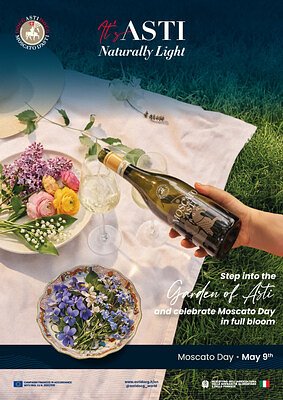
Moscato's Modern Moment: Italy's Sweet Sparkler Captivates a New Generation
NEW YORK, NY – May 07, 2026 – As the annual Moscato Day approaches, the Consorzio Asti DOCG is preparing a global toast, encouraging wine lovers to fill their glasses with the fragrant, fizzy wines of Piedmont, Italy. But this year’s celebration feels different. It’s less about a single day and more about cementing a remarkable transformation: the evolution of Moscato d'Asti and Asti Spumante from a niche dessert wine into a vibrant, modern beverage capturing the attention of a new, discerning generation.
Behind the push, which includes a high-profile event in New York City for the second consecutive year, is a clear strategy to redefine a category. With its characteristic notes of white peach, orange blossom, and sage, coupled with a refreshingly low alcohol content, Moscato is perfectly positioned to meet the demands of today’s consumer, who increasingly seeks flavor, authenticity, and moderation.
A Renaissance for the Modern Palate
For years, Moscato was often pigeonholed as an entry-level sweet wine. Today, that perception is rapidly dissolving, driven by a seismic shift in consumer preferences. The global wine market is witnessing a surge in demand for lighter, aromatic, and less alcoholic options, a trend that has created a perfect storm for the Moscato Bianco grape.
This shift is particularly pronounced among Millennials and Gen Z, who now represent a powerful force in the beverage market. Research indicates that over 58% of U.S. consumers aged 21-35 gravitate towards sweeter wine styles, moving away from the bone-dry profiles that dominated previous generations. Moscato d'Asti, with its delicate sweetness and alcohol level often hovering around a sessionable 5.5% ABV, directly answers this call. It offers a sophisticated yet approachable alternative to high-alcohol spirits and heavier wines, aligning with a growing movement towards “conscious sobriety” and mindful consumption.
The wine’s versatility has been a key factor in its renaissance. Once confined to the dessert course, Moscato d'Asti is now appearing at brunch, as a refreshing aperitivo, and as a star ingredient in craft cocktails. Its natural sweetness and acidity make it a surprisingly adept partner for a range of foods, from spicy Asian cuisine and chili-laced barbecue to classic pairings like charcuterie boards with melon and prosciutto. This adaptability has not gone unnoticed by the hospitality sector, where it is increasingly featured as an all-occasion pour.
The Business of Bubbles: A Global Strategy
The rising popularity of Asti DOCG wines is no accident. It is the result of a concerted, multi-year effort by the Consorzio Asti DOCG to elevate the category’s profile on the world stage. The organization's strategy masterfully blends tradition with aggressive, modern marketing.
Promotional events like Moscato Day, especially in crucial export markets like the United States, are central to this plan. The upcoming New York City gathering follows a massive 2024 advertising campaign that saw thousands of posters and taxi banners across the city, all bearing the slogan, "It's Asti… Moscato d'Asti for your Moscato Day." This demonstrates a clear intent to claim ownership of the celebration and associate the Asti DOCG name with quality.
"Moscato Day is the perfect opportunity to celebrate the unique personality of Moscato d'Asti and Asti Spumante," said Giacomo Pondini, Director of the Consorzio Asti DOCG. "These wines combine tradition, quality, freshness, and accessibility in a way that truly connects with today's consumers. We encourage everyone to celebrate the day with a glass of Moscato d'Asti and discover why these wines continue to gain popularity internationally."
The numbers reflect the strategy's success. In 2024, total production for the Asti DOCG designation surpassed 90 million bottles. While its fully sparkling cousin, Asti Spumante, saw exports hold steady, Moscato d'Asti experienced double-digit growth in bottled volume, exceeding 33 million units. The United States remains the primary export market, purchasing over half of this volume, with significant demand also coming from Italy and the Far East.
This growth comes amidst a fiercely competitive sparkling wine market. Asti DOCG must contend not only with giants like Prosecco and Cava but also with the explosive growth of the non-alcoholic beverage sector. However, by leaning into its naturally low-alcohol profile, the Consorzio has cleverly positioned its wines as a traditional, authentic product that coincidentally aligns with the modern trend toward moderation, rather than a manufactured “low-alc” alternative.
From UNESCO Hills to the Glass
Beyond the marketing campaigns and market data lies the true heart of Asti DOCG's appeal: its origin. The wines are produced in the picturesque hills of Piedmont, a landscape so historically and culturally significant to viticulture that it was designated a UNESCO World Heritage site. This recognition is not merely a historical footnote; it is a guarantee of quality and a cornerstone of the wines' identity.
The unique terroir—a French term for the combination of soil, climate, and topography—is what gives Moscato d'Asti its inimitable character. The vines grow on steep, sun-drenched hillsides where cool Alpine air at night helps the Moscato Bianco grapes retain their vibrant acidity and develop intense aromatics. The region’s marl and clay-limestone soils impart a distinct minerality that balances the wine's natural sweetness, preventing it from becoming cloying and adding a layer of complexity.
The UNESCO designation serves as a powerful marketing tool, allowing the Consorzio to tell a compelling story of heritage, craftsmanship, and place. In a crowded market, this connection to a protected, world-renowned landscape provides a mark of authenticity that commodity wines cannot replicate. It elevates Moscato d'Asti from just a type of wine to a liquid expression of a specific, celebrated corner of the world, assuring consumers they are drinking something with a deep and storied past.
As Moscato Day 2026 dawns, it's clear that the celebration is about more than just a grape. It's about the successful revival of a classic, a testament to strategic vision, and a toast to the enduring appeal of a wine that has found its perfect moment in the modern world.