
- $800,000: Investment amount for Rural EB-5 projects, discounted from the standard $1.05 million for urban projects.
- 483 jobs: Projected job creation by Alpine 93/40, exceeding USCIS requirements by 27%.
- 21 units: Affordable housing designated under the City of Whitefish's Legacy Program.
Experts would likely conclude that Montana's Alpine 93/40 project exemplifies how the reformed EB-5 program is strategically redirecting global capital to rural economies, offering a streamlined residency path for investors while presenting both opportunities and challenges for local communities.
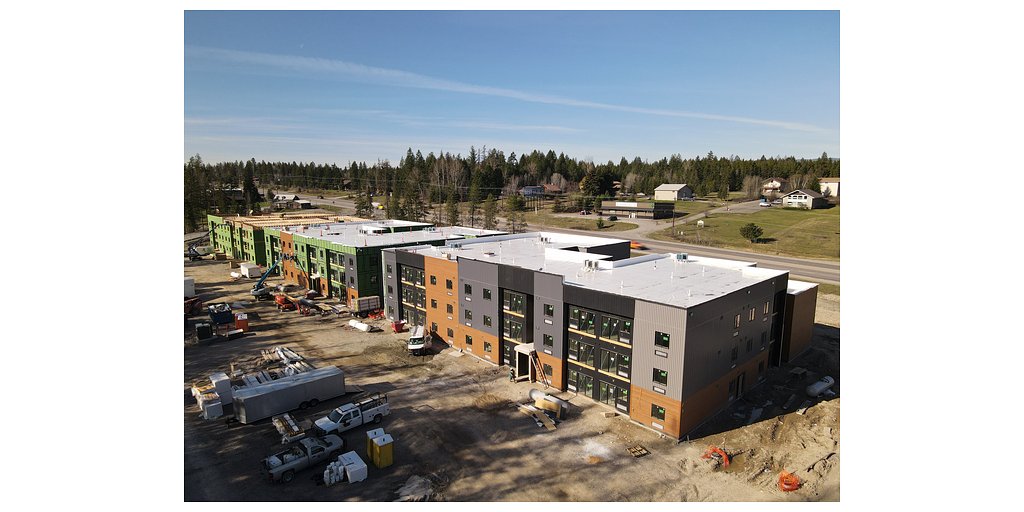
Montana's New Boom: How EB-5 Capital Is Fast-Tracking Residency and Growth
WHITEFISH, MT – June 16, 2026 – In the picturesque mountain town of Whitefish, a new kind of construction is underway, one built not just with steel and glass, but with global capital and federal immigration policy. The Alpine 93/40 project, a luxury hospitality and residential development, recently passed a critical milestone, securing approval from U.S. Citizenship and Immigration Services (USCIS). While a procedural step on paper, this approval unlocks a powerful engine for both regional development and a streamlined path to U.S. residency for foreign investors, illustrating the profound impact of the reformed EB-5 Immigrant Investor Program.
The project is spearheaded by U.S. Immigration Fund (USIF), a veteran operator in the EB-5 space, and developed by KIBO Group. It stands at the intersection of surging demand for lifestyle-driven real estate in places like Whitefish and a revamped federal program designed to channel foreign investment into underserved American communities. This isn't just another luxury condo complex; it's a case study in how global capital flows are being redirected to reshape rural economies, offering a potential "golden ticket" for investors while presenting both opportunities and challenges for the communities themselves.
The New EB-5 Landscape: A Fast Track Through Rural America
The EB-5 program has long offered a path to a Green Card for foreigners who invest a significant amount of capital into a U.S. business that creates at least 10 American jobs. However, the program underwent a major overhaul with the EB-5 Reform and Integrity Act of 2022, which aimed to enhance transparency, security, and the program's economic impact. A key feature of this reform was the creation of powerful incentives for projects located in Rural Targeted Employment Areas (TEAs).
Alpine 93/40, situated in a designated Rural TEA, perfectly exemplifies the new strategic focus. For an investment of $800,000—a discount from the standard $1.05 million for urban projects—investors gain access to two significant advantages. First, USCIS is mandated to give these petitions priority processing, potentially slashing Green Card wait times from years to months. Second, the law sets aside 20% of the annual EB-5 visa quota specifically for rural projects. This "reserved lane" allows investors from high-demand countries like India and China to bypass the lengthy backlogs that have plagued the program for years.
The recent I-956F approval from USCIS acts as a powerful accelerant. This approval certifies that the government has already reviewed and signed off on the project’s business plan, job creation methodology, and capital structure. For an investor, this pre-approval de-risks the immigration component of their investment significantly. "With I-956F approval secured and construction progressing on schedule, Alpine 93/40 offers investors the opportunity to participate in a Rural EB-5 project with strong momentum and priority processing eligibility," noted Nicholas Mastroianni III, President and Chief Marketing Officer at U.S. Immigration Fund, in a recent announcement. This pre-vetted status, combined with an approaching September 30 filing deadline for certain grandfathering protections, has created a potent sense of urgency within the investor community.
From Blueprint to Reality: Inside the Alpine 93/40 Development
Located at the busy intersection of U.S. Highway 93 and Montana Highway 40, the Alpine 93/40 project is more than just an investment vehicle; it's a tangible development reshaping a key gateway to Whitefish. The project consists of 210 multifamily rental units and 15,000 square feet of ground-floor retail space. Developed by KIBO Group, a firm with a national portfolio in hospitality and mixed-use projects, the development is already well underway.
Construction on the first phase began in June 2025 and is now reportedly over 59% complete, with a target for substantial completion by the end of this year. This visible progress provides a layer of assurance often missing in EB-5 projects that are sold on plans alone. The project is structured to support 38 EB-5 investors in total and is projected to create over 483 jobs, providing a 27% buffer above the USCIS requirement—a critical metric for ensuring every investor meets the job creation mandate for their Green Card.
"We are proud to reach this milestone alongside U.S. Immigration Fund," said Alberto Valner, President and Founder of KIBO Group. "Whitefish continues to emerge as one of the country’s premier destination markets, and Alpine 93/40 is well positioned to deliver long-term value to both the community and investors." This value proposition is supported by a complex ecosystem of legal and economic partners, including immigration counsel from Chiesa Shahinian & Giantomasi PC and securities experts at Paul Hastings LLP, who navigate the intricate regulatory framework of the EB-5 program.
Whitefish at a Crossroads: Balancing Growth and Character
The influx of capital from projects like Alpine 93/40 is a double-edged sword for destination towns like Whitefish. The town is grappling with the pressures of its own success, characterized by soaring real estate prices—the median listing price hovers around $1.2 million—and a critical shortage of workforce housing. The Whitefish Chamber of Commerce estimates the community needs over 1,300 additional housing units by 2030 to keep pace with demand.
On one hand, the Alpine 93/40 development directly contributes to this housing pressure with its "luxury hospitality and residential" focus. On the other hand, the project's developers have made a notable concession to local needs. As part of its development agreement with the city, KIBO Group has designated 21 of the 210 units as deed-restricted affordable housing under the City of Whitefish's Legacy Program. While a fraction of the total, it represents a tangible effort to integrate the project into the community's broader social and economic fabric.
Local officials and residents have been actively engaged in the process, with public meetings revealing concerns about traffic impacts and the scale of development. The developer's willingness to engage in these discussions and incorporate mitigation efforts into the final plan highlights the delicate dance between development-driven economic growth and the preservation of local character. The project serves as a microcosm of the larger challenge facing high-amenity rural areas across the American West: how to harness growth without being consumed by it.
A Model for Compliance and Confidence
Beyond its local impact, the Alpine 93/40 project serves as a significant bellwether for the EB-5 industry itself. In the wake of the 2022 reforms, which were enacted to curb fraud and increase accountability after years of scandal, the market has been watching for projects that can serve as a new model for compliance. USIF, a firm that has managed over $3 billion in EB-5 capital across dozens of projects, is positioning this development as exactly that.
The I-956F approval is not merely a bureaucratic checkbox; it represents USCIS's more rigorous, front-end vetting of projects before investor money is even fully committed. This shift is designed to protect investors and ensure that the program's economic benefits—namely, U.S. job creation—are realized. For an industry working to rebuild its reputation, successful, compliant, and transparent projects like Alpine 93/40 are essential for demonstrating the program's viability to both policymakers and a global pool of investors. As the EB-5 program continues to evolve, the fusion of rural development incentives and stricter oversight seen in the mountains of Montana may well define its path forward.