
- $33 million: The off-market sale price of a 6,220-acre ranch in Montana, highlighting the ultra-luxury real estate market's secrecy and high-value transactions.
- 78% increase: Housing unit permitting in Montana since 2019, reflecting rapid development and environmental strain.
- $2.5 million: Median home sale price in Big Sky, with some properties commanding eight figures.
Experts agree that Montana's ultra-luxury real estate market is reshaping the state's economy, environment, and social fabric, driven by off-market deals and high-net-worth buyers seeking legacy properties, while raising concerns about housing affordability and ecological impact.
Montana's Invisible Market: How Luxury Deals Reshape the West
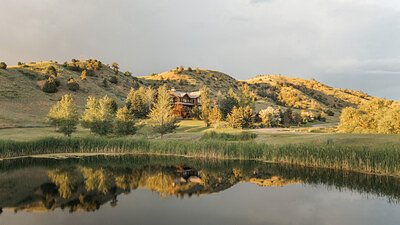
BOZEMAN, MT – February 02, 2026 – In the sprawling landscapes of Big Sky Country, the biggest deals are often the quietest. The recent off-market sale of a 6,220-acre ranch for a staggering $33 million has pulled back the curtain, if only slightly, on a secretive and powerful force reshaping Montana: the ultra-luxury real estate market. Brokered by Tamara Williams & Company, the transaction highlights a trend where the state’s most magnificent properties are snapped up by the global elite long before they ever appear on a public listing.
While Montana's broader housing market shows signs of cooling, with entry-level home prices stabilizing, the demand for high-end ranch and luxury acreage remains white-hot. This rarified market, driven by a new class of buyers, operates on a different set of rules, with profound implications for the state’s economy, environment, and very identity.
The New Gold Rush: Securing a Legacy
The ultra-wealthy are not just buying property in Montana; they are acquiring a legacy. According to Tamara Williams, Broker/Owner of the firm behind the landmark sale, "Montana represents something bigger than real estate... the demand for these legacy properties is rooted in lifestyle, legacy, and the enduring allure of Big Sky Country."
This sentiment reflects a fundamental shift in high-net-worth investment strategies. Buyers, often hailing from tech hubs in California or financial centers on the East Coast, are not chasing short-term market fluctuations. Instead, they are securing "cornerstone assets" for multi-decade family portfolios. These "trophy ranches"—vast tracts of land boasting scale, privacy, crucial water rights, and protected mountain views—are a finite resource. As development pressures mount and land use regulations tighten, their scarcity only amplifies their value.
The modern ranch buyer is looking for more than a vacation home. They are prioritizing generational land holds, conservation value, and a tangible connection to the American West. They want scale without exposure and beauty without intrusion, a private kingdom where they can control their surroundings. This is not a trend; it's a strategic acquisition of a dwindling asset class.
The Invisible Market of Big Sky Country
The $33 million sale is emblematic of how this exclusive market operates. The most desirable Montana ranches rarely, if ever, hit the Multiple Listing Service (MLS). These transactions are born from discretion, trust, and deep-rooted relationships cultivated over years by specialized brokers.
"Off-market access is the real currency of luxury real estate," the press release from Tamara Williams & Company noted, describing a world where privacy is paramount for buyers and sellers demand absolute certainty. This is a relationship-driven market, not a volume-driven one, a stark contrast to the transactional nature of mainstream real estate.
While recent national changes, such as the National Association of Realtors (NAR) settlement, are forcing greater transparency on agent commissions in public listings, the off-market world remains insulated by its very nature. Though agents are still bound by state laws and ethical duties, the entire process—from initial contact to closing—is designed to shield high-profile clients from public scrutiny. This shadow economy of real estate ensures that by the time the public hears of a sale, if they hear of it at all, the ink has long been dry.
Big Sky, Big Changes: A Landscape Under Pressure
The influx of unprecedented wealth is having a dramatic and often divisive impact across the state. While it fuels a high-end service economy, it also places immense strain on local communities and ecosystems. The very allure of Montana—its open spaces, wildlife, and rugged authenticity—is threatened by the consequences of the boom.
In communities like Bozeman, now nicknamed "Bose Angeles," the socio-economic fabric is fraying. The median single-family home price has soared past $800,000, with luxury sales over $2 million nearly doubling in recent years. This has created a severe housing affordability crisis, pushing out long-time residents and essential workers, some of whom now reportedly sleep in their vehicles. The average rent, climbing towards $2,500, is untenable for many who work in the local service industries that cater to the new elite.
The environmental toll is equally concerning. The rush to develop has led to a 78% increase in housing unit permitting since 2019, fueling fears of untethered growth. This development fragments vital wildlife corridors, puts pressure on sensitive ecosystems, and strains water resources. Water rights, governed by a complex "first in time, first in right" doctrine, are a critical component of ranch sales and a flashpoint for conflict as land use shifts from agriculture to luxury estates. Environmental groups have warned of an "extraordinary urgency" to conserve Montana's working lands and open spaces before they are irrevocably lost to subdivision and development.
The Bozeman-Big Sky Nexus: Ground Zero for the Boom
Nowhere is this transformation more apparent than in the Bozeman-Big Sky corridor. Once considered an emerging luxury destination, Montana is now firmly established among the nation’s most respected markets for land and lifestyle real estate. Buyers are no longer asking why Montana, but rather, what is still available.
Big Sky, home to exclusive enclaves like the Yellowstone Club, has become a national symbol of this shift. With a median home sale price hovering around $2.5 million and its most expensive listings commanding eight figures, it competes with premier resort destinations across the country. The ultra-luxury market here, for properties over $4 million, surged in 2024, far outpacing previous years. This intense demand has reduced the time properties spend on the market, creating a high-stakes environment for buyers.
This boom is not without its challenges. The rapid growth necessitates massive investments in infrastructure, from workforce housing to transportation, to prevent the resort town from collapsing under its own success. Meanwhile, long-standing debates over public land access intensify as private resorts and sprawling ranches alter the landscape.
As Tamara Williams noted, buyers are purchasing more than just land; they are "buying possibility." Whether that possibility is for "recreational ranch living, legacy land for future generations, or a private retreat that feels like a movie set," it is clear that this part of the country continues to capture both imaginations and massive investment, fundamentally reshaping the future of the Last Best Place.