
- $18 billion: Global MRL elevator market value in 2023
- 6.5% CAGR: Projected annual growth rate for MRL elevators through the early 2030s
- 50% more energy-efficient: MRL systems compared to traditional hydraulic elevators
Experts would likely conclude that Mitsubishi Electric's Diamond-Trac® Streamline system and Elevator Configurator Tool represent a strategic move to capture market share by prioritizing speed, efficiency, and digital integration in elevator project execution.
Mitsubishi Electric Aims to Fast-Track Elevator Installation Projects
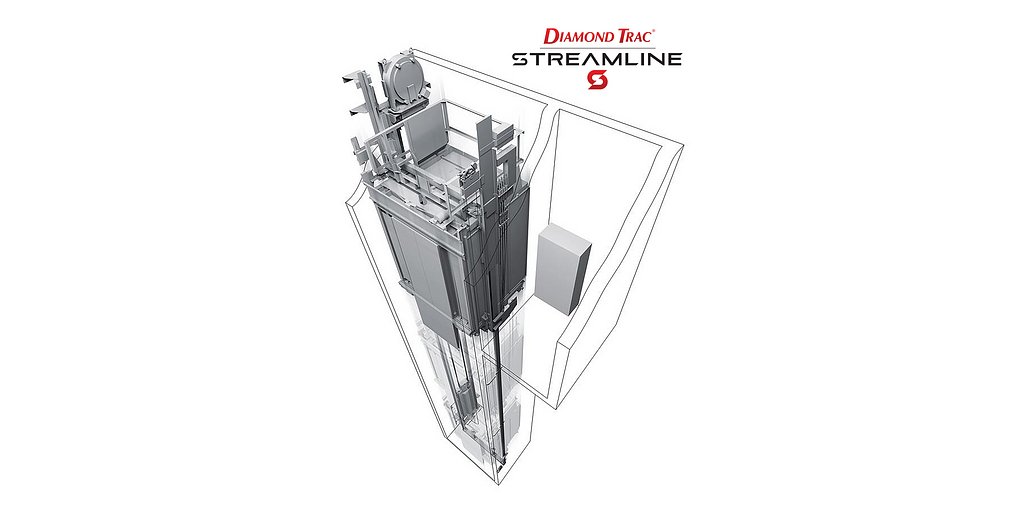
CYPRESS, CA – March 31, 2026 – Mitsubishi Electric US, Inc.'s Elevator and Escalator Division has launched a new product duo aimed at fundamentally streamlining the process of integrating vertical transportation into building projects. The company announced the introduction of its Diamond-Trac® Streamline Machine-Room-Less (MRL) Elevator System, a pre-engineered solution, paired with a powerful web-based Elevator Configurator Tool designed to take the complexity out of elevator specification and procurement.
The move is a direct response to increasing pressure within the construction industry to reduce project timelines and costs without compromising on quality. The Diamond-Trac® Streamline system is built on Mitsubishi Electric’s established engineering but packaged to optimize logistics and shorten manufacturing lead times by offering a focused set of pre-designed features.
“The Diamond-Trac® Streamline elevator system was developed to remove complexity from elevator projects without sacrificing performance or quality,” said Chris Cole, national sales and product director for the division, in the company's official announcement. “By pairing a simplified, pre-engineered solution with our new configuration tool, we’re helping customers move from concept to installation more quickly and with greater confidence.”
Addressing a Need for Speed and Simplicity
The launch comes as the market for MRL elevators experiences robust growth. Valued at over $18 billion globally in 2023, the MRL elevator market is projected to expand significantly, with some analysts forecasting a compound annual growth rate (CAGR) of over 6.5% through the early 2030s. This demand is fueled by rapid urbanization, which necessitates taller, more space-efficient buildings.
MRL elevators have become a cornerstone of modern construction because they eliminate the need for a bulky, dedicated machine room on the roof, freeing up valuable square footage for other uses. This design efficiency, combined with significant energy savings—some MRL systems are up to 50% more energy-efficient than traditional hydraulic elevators—makes them highly attractive to developers focused on both sustainability and return on investment.
However, even with these advantages, the process of specifying, ordering, and installing elevators can be a bottleneck in construction schedules. Mitsubishi Electric's Diamond-Trac® Streamline directly targets this pain point. By offering a pre-engineered package with a curated selection of design options, the company aims to standardize and accelerate the production and delivery process. This approach is ideal for projects where speed and consistency are paramount, such as mid-rise residential complexes, hotels, and commercial office buildings operating on tight deadlines.
The Digital Blueprint: A New Era for Elevator Design
Working in tandem with the new hardware is the Elevator Configurator Tool, a web-based platform that marks a significant step in the digitalization of the building design process. The tool allows architects, consultants, and contractors to guide themselves through the system selection process, choose from available design options, and, most critically, receive detailed layout drawings and supporting documentation instantly.
While other major elevator manufacturers like Otis, KONE, and Schindler offer digital planning resources, the promise of instantaneous, detailed drawings is a key differentiator. In a typical project workflow, waiting for manufacturer-supplied drawings can introduce delays, impacting coordination between architectural, structural, and mechanical trades. By providing this data on-demand, Mitsubishi Electric’s tool empowers design professionals to integrate elevator specifications into their building information models (BIM) and overall plans with greater speed and accuracy.
This digital-first approach reflects a broader industry shift. As construction embraces technology to improve efficiency and reduce errors, tools that bridge the gap between product selection and detailed design are becoming indispensable. The configurator not only simplifies the initial selection but also ensures that the chosen system fits the project's specific structural and spatial requirements from the outset, minimizing the risk of costly revisions later in the process.
A Strategic Play in a Competitive Vertical Market
Mitsubishi Electric's introduction of the Diamond-Trac® Streamline and its configurator tool is a calculated strategic move in the highly competitive global elevator market. The industry is dominated by a handful of major players, all of whom have strong MRL offerings. KONE, for instance, was a pioneer in the space with its MonoSpace® system, which transformed building design possibilities.
Rather than competing solely on bespoke features or groundbreaking technology, Mitsubishi Electric appears to be targeting a specific and growing segment of the market that prioritizes project velocity and cost-efficiency. The “limited customization” mentioned in the company’s announcement is not a drawback but a deliberate feature, enabling a production model that favors speed and reliability.
This strategy positions the Diamond-Trac® Streamline as an ideal solution for developers of standardized or large-scale projects who need a dependable, high-quality elevator system without the extended lead times and higher costs associated with fully custom designs. By simplifying the path from initial concept to final installation, the company is betting that efficiency is one of the most valuable commodities in today's construction landscape.
The combined offering of a streamlined physical product and an intuitive digital tool creates a powerful value proposition. It empowers customers to take control of the specification process, reduces administrative and logistical friction, and ultimately helps get buildings operational faster. This focus on a seamless customer experience, from digital design to physical installation, signals a clear direction for Mitsubishi Electric as it navigates the future of vertical transportation.