
- 10,000th transplant milestone: MedStar Georgetown Transplant Institute (MGTI) achieves this landmark, the first in the Washington, D.C. region.
- Top 10 program by volume: Nationally, for all abdominal transplants, with 410 kidney transplants in 2024 alone.
- 6-month average wait time for liver transplants: Significantly shorter than the 16-month regional average.
Experts recognize MGTI as a national leader in transplantation, with its high volume and innovative techniques correlating with better patient outcomes and expanded access to life-saving care.
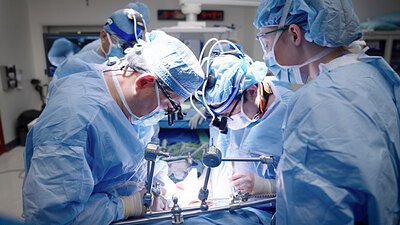
MedStar Georgetown: 10,000 Transplants and a Legacy of Renewed Hope
WASHINGTON, D.C. – March 03, 2026 – The MedStar Georgetown Transplant Institute (MGTI) has achieved a landmark milestone, performing its 10,000th organ transplant and solidifying its position as a national leader in life-saving care. This achievement makes it the first transplant program in the Washington, D.C. region to reach such a significant volume, a testament to nearly four decades of medical excellence and innovation.
Since the hospital’s first organ transplant in 1987 and the program's official launch the following year, the institute has become a beacon of hope for patients with end-stage organ failure. The more than 10,500 liver, kidney, pancreas, small intestine, and multi-organ transplants completed represent thousands of extended lives and renewed futures.
"This milestone shows our long history of helping people get lifesaving care," said Dr. Thomas Fishbein, executive director of the MedStar Georgetown Transplant Institute. "And our volumes speak volumes."
Each procedure is more than a number; it is a complex collaboration involving surgeons, nurses, coordinators, and, most critically, the profound gift of organ donors. The institute's success underscores its vital role in the healthcare landscape of the nation's capital and beyond.
A Regional Powerhouse and National Leader
MGTI's achievement is not just a local first but also places it in the elite ranks of transplant centers nationwide. The institute is among the top 10 programs by volume for all abdominal transplants in the country. This high volume is a key indicator of experience and expertise, which often correlates with better patient outcomes, fewer complications, and shorter hospital stays.
Delving into specifics, the institute's leadership is evident across multiple specialties:
Kidney Transplants: As one of the top 5% of highest-volume centers in the U.S., MGTI performed 410 kidney transplants in 2024 alone. It holds the highest volume in the D.C. area and is a national leader in living donor paired kidney exchange through its partnership with the National Kidney Registry (NKR).
Liver Transplants: The program is one of the largest liver transplant centers in the nation, ranking in the top 20 by volume. It is the only program in the D.C. metropolitan region to achieve a 5-tier rating for survival after liver transplant, and its average wait time of six months is significantly shorter than the 16-month average at other centers in the Baltimore area.
Pancreas and Intestinal Transplants: MGTI stands out as the largest national program by volume for pancreas transplants and is one of the top two programs for intestinal transplants, drawing patients from across the globe.
This high level of activity and specialization allows the institute to take on cases that others cannot. The team frequently cares for patients with complex conditions or high immune sensitivities who have been turned away by other centers, offering a lifeline where none seemed to exist.
Pushing Boundaries with Innovation and Technology
Behind the numbers is a deep commitment to advancing the field of transplantation. Surgeons at MGTI utilize cutting-edge techniques, including minimally invasive and robotically-assisted surgery, to perform smaller, more precise operations that enhance safety and speed up recovery for both recipients and living donors.
One of the most significant recent innovations is the adoption of the OrganOx metra device. In January 2023, MedStar Georgetown became the first hospital in the D.C. area to use this FDA-approved technology, which preserves donated livers for up to 12 hours by simulating their connection to a human body. This machine keeps the organ warm and supplied with oxygenated blood and nutrients, allowing surgeons to assess its function outside the body. This breakthrough expands the donor pool by making it possible to use organs that were previously considered too marginal or unviable, a critical step in addressing the organ shortage.
This spirit of innovation is led by Dr. Fishbein, who is also the principal investigator for numerous clinical trials. This integration of research and clinical practice ensures that patients at MGTI have access to the latest treatments and that the institute remains at the forefront of medical progress. Their work in organ preservation is a core part of a strategy to maximize every potential gift of life.
The Human Impact: Thousands of Second Chances
While the statistics are impressive, the true measure of the institute's success is found in the stories of its patients. The program's philosophy of cura personalis, or care for the whole person, is evident in the personalized plans created for each individual.
Stories of resilience and gratitude abound. One patient received a small intestine transplant after spending 13 years on intravenous nutrition, finally able to eat a meal again. Another, a 78-year-old man who reached out to the program, was shocked at how quickly he received a life-saving kidney in late 2024. These narratives highlight the profound transformation that a transplant can bring.
The institute is also a major advocate for living donation, which offers a higher quality organ and a shorter wait time for recipients. One living donor, who gave a kidney to a stranger, described it as "the best decision I've ever made" and a humbling opportunity to save a life. The successful laparoscopic living donor kidney program makes the process safer and recovery easier for these heroes.
As Dr. Fishbein noted, the ultimate goal transcends the technical achievement of surgery. "Most of all, each transplant brings renewed hope and gives patients the chance to live full lives," he said.
Addressing a Critical and Ongoing Need
The 10,000-transplant milestone is a celebration of success, but it also casts a light on the vast and ongoing need for organ donation. Nationally, more than 100,000 people are on the transplant waitlist. In the Washington, D.C. metropolitan area alone, that number exceeds 2,300, according to the Washington Regional Transplant Community (WRTC), the local organ procurement organization.
MGTI is actively working to bridge this gap. Its robust living donor programs, leadership in the National Kidney Registry's paired exchange, and use of advanced preservation technology are all direct strategies to increase the number of available organs. Furthermore, the institute's partnership with the U.S. Department of Veterans Affairs allows it to provide life-saving liver and kidney transplants to veterans from across the country, expanding access to a deserving population.
The institute’s immense volume and success serve as a powerful reminder of both what is possible in modern medicine and the urgent, persistent call for more registered organ donors to help close the gap between those who wait and those who receive the gift of life.
Topics & Related
Biotechnology
Medical Devices
Telehealth
Diagnostics
ESG
Cybersecurity & Privacy
Precision Medicine
Digital Transformation
Clinical Trials
Drug Development
Regulatory & Legal
Related Company Pulse