
- $1.2 billion: Northvolt's losses in 2023 before its bankruptcy
- 65% lower carbon footprint: Lyten's lithium-sulfur batteries compared to conventional options
- 600+ employees: Lyten plans to hire in Sweden over the next 12 months
Experts view Lyten's acquisition of Northvolt's assets as a strategic revival for Europe's battery industry, combining Silicon Valley innovation with transatlantic collaboration to secure energy independence and support AI-driven energy demands.
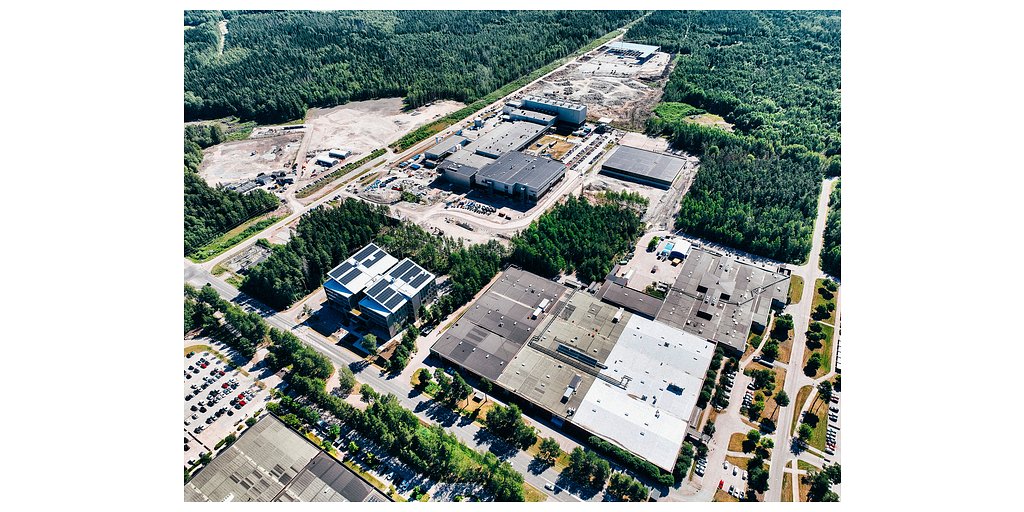
Lyten Revives Swedish Battery Hub to Power Europe's AI and Energy Future
SAN JOSE, Calif. & STOCKHOLM – February 27, 2026 – In a landmark move poised to reshape Europe’s energy landscape, California-based Lyten has completed its acquisition of the core Swedish assets of the bankrupt battery maker Northvolt, including its flagship gigafactory in Skellefteå and Europe’s largest battery research facility in Västerås. The deal resurrects a key pillar of Europe’s green industrial strategy from the ashes of what became modern Sweden’s largest bankruptcy, charting a new course that fuses battery production with the immense energy demands of the artificial intelligence era.
Lyten, a leader in next-generation lithium-sulfur battery technology, will immediately begin restarting operations, launching a major re-hiring program to reverse the job losses that followed Northvolt’s collapse. The company plans to establish the “Lyten Industrial Hub” in Skellefteå, an ambitious ecosystem designed to co-locate battery manufacturing with AI data centers, powered by the region's abundant clean hydropower. This acquisition marks a pivotal moment, injecting Silicon Valley innovation and new capital into a site once symbolic of Europe’s struggle to compete in the global battery race.
A Second Chance for Europe's Battery Ambitions
The acquisition provides a dramatic second act for a site that was central to Europe's dream of building a domestic battery supply chain. Northvolt, once valued at over $12 billion and backed by major automakers and the European Investment Bank, filed for bankruptcy in March 2025 after facing a cascade of operational and financial crises. The company struggled to scale its Skellefteå plant, delivering less than 1% of its 16 GWh capacity in 2023 and accumulating losses that reached $1.2 billion that year.
The failure was a significant blow to the continent's strategic autonomy goals, highlighting the immense difficulty of competing with established Asian battery giants. Lyten’s takeover is now being hailed as a critical opportunity to salvage the multibillion-dollar investment in infrastructure and talent. “We are pleased that battery production can now resume in Skellefteå,” said Kristina Sundin Jonsson, Head of Administration for the Skellefteå Municipality. “The need for batteries continues to increase and the EU has identified batteries as a strategic product for Europe’s competitiveness.”
Lyten plans to hire more than 600 employees in Sweden over the next 12 months, with a rapid hiring pace expected to continue for several years. This move directly addresses the economic uncertainty that followed Northvolt's demise and reaffirms the region's status as a hub for green technology.
Powering the AI Age with a Dual Battery Strategy
Lyten's strategy is twofold: meet immediate market needs while commercializing the battery technology of the future. The company will restart production of conventional lithium-ion NMC batteries at the Skellefteå factory, now named Lyten Ett. These cells are slated to supply Lyten’s battery energy storage system (BESS) manufacturing facility in Poland by the second half of 2026, serving a broad customer base.
“As the transaction has now closed, we are excited to restart production and initiate the ramp-up in Sweden one production line at a time,” stated Matthias Arleth, CEO of Lyten Sweden. “In Skellefteå we have proven that we are able to produce consistent, high-quality battery cells that meet customer needs right now.”
Simultaneously, the advanced research facility in Västerås will become a crucial node for industrializing Lyten’s proprietary lithium-sulfur (Li-S) battery technology. This next-generation chemistry eliminates the need for critical minerals like nickel, cobalt, and graphite, offering a projected 65% lower carbon footprint and a supply chain that can be sourced entirely within Europe or North America. Lyten is already delivering Li-S prototypes to automotive partners like Stellantis and has secured commercial contracts in the defense and satellite sectors.
This dual approach is critically timed to meet the explosive energy demand from AI. As part of its industrial hub concept, Lyten has partnered with EdgeConneX, a leading data center developer, which plans to build a campus on the Skellefteå site that could scale to a massive one-gigawatt capacity. AI is projected to double data center electricity consumption by 2030, making integrated BESS solutions essential for grid stability, cost efficiency, and enabling the use of renewable energy. Lyten’s own batteries will be a core part of the hub's infrastructure.
Skellefteå's Green Industrial Renaissance
The Lyten Industrial Hub represents a powerful model for sustainable development, leveraging northern Sweden’s key environmental and economic advantages. The entire complex, from battery manufacturing to data processing, will be powered by the region's vast and reliable clean hydropower resources. This fulfills Northvolt’s original vision of producing the “world’s greenest battery” while anchoring it to a more diversified and resilient business model.
The project not only secures but expands upon Skellefteå’s identity as a leader in the green transition. The city, which has undergone rapid population and economic growth fueled by industrial investment, can now continue its trajectory. The integration of cutting-edge battery R&D, high-volume manufacturing, and a world-class data center hub creates a powerful synergy that is expected to attract further investment and talent to the region.
A Transatlantic Alliance for Strategic Autonomy
Beyond its regional impact, the acquisition signals a deepening transatlantic partnership focused on securing critical technology supply chains. The deal was made possible with vocal support from the Swedish, US, and European Union governments, all of whom view domestic battery production as vital for energy independence and industrial competitiveness.
“We truly appreciate the support of the Skellefteå municipality and Swedish government, the U.S. government, and the European Union in helping make this acquisition a reality,” stated Lars Herlitz, Lyten Chairman and Co-Founder. He emphasized the critical role batteries now play in securing energy independence and supporting industries from automotive to data centers.
This government backing is complemented by a strong consortium of private investors, including Stellantis, FedEx, Honeywell, and the European Investment Fund, reflecting broad industrial confidence in Lyten’s technology and its strategic importance. With US innovation and financing reviving a key European industrial asset, the new Lyten hub in Sweden stands as a testament to a collaborative strategy aimed at building a more resilient and sustainable energy future on both sides of the Atlantic.