
- 6.5 million LEGO sets donated through the #BuildtoGive initiative since its inception
- 1.5 million sets (valued at ~$15 million) donated annually
- Nearly 2 million visitors annually to LEGOLAND Billund Resort
Experts would likely conclude that LEGO's 'Come Home for the Holidays' program is a strategic masterstroke, effectively countering seasonal tourism declines while deepening brand loyalty through interactive experiences and purpose-driven philanthropy.
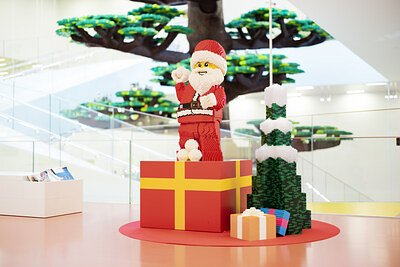
LEGO's Holiday Gambit: Engineering a Brick-and-Mortar Empire
BILLUND, Denmark – December 04, 2025 – As winter settles over Denmark, the LEGO Group is rolling out more than just festive decorations at its flagship brand experience, LEGO House. The 'Come Home for the Holidays' program, running from November 6 to December 30, appears on the surface to be a heartwarming invitation for families. Yet, beneath the layers of twinkling lights and brick-built ornaments lies a sophisticated strategy, blending technology, agile operations, and corporate social responsibility to transform a seasonal attraction into a year-round economic powerhouse.
This isn't just about Christmas cheer; it's a calculated move to counter a significant industry challenge and redefine what a brand destination can achieve. By examining the interplay between its interactive experiences, charitable initiatives, and operational pivots, we can see how LEGO is building not just models, but a resilient and impactful business ecosystem.
The Strategic Play Against the Winter Lull
For most of the year, Billund is a global hub for family tourism, with LEGOLAND Billund Resort attracting nearly two million visitors annually. However, like many seasonal destinations, it faces a steep drop-off during the colder months of November and December, which are typically considered the “very low season.” This cyclical downturn poses a significant challenge to the local economy, which is heavily reliant on tourism.
The LEGO Group's holiday strategy is a direct and ambitious countermeasure to this seasonal slump. By launching a comprehensive festive program at LEGO House and coordinating it with LEGOLAND Billund's own Christmas events, the company is engineering a powerful dual attraction. The 'Holiday Accommodation Package,' which bundles tickets to both parks with a stay at a LEGO-themed hotel, is the linchpin of this strategy. It’s designed to do more than just attract visitors; it aims to convert single-day trips into multi-day stays, significantly increasing visitor spending on lodging, food, and retail.
This approach effectively transforms Billund from a summer-centric location into a premier winter holiday destination. The economic ripple effect extends far beyond the company's own properties, benefiting local businesses, restaurants, and the Billund Airport, which serves as a critical gateway for international tourists. It's a clear example of a corporation leveraging its brand gravity not just for its own benefit, but to bolster the economic resilience of its home region.
Innovation in Experience: Beyond Passive Entertainment
In a crowded market of holiday attractions, LEGO House is differentiating itself by focusing on active co-creation rather than passive consumption. While competitors like Disneyland Paris excel at creating spectacle through parades and character shows, the 'Home of the Brick' is betting on a more hands-on, intellectually engaging model. The new 'Merry Mission' activity is a prime example, turning the entire 12,000-square-meter facility into a gamified landscape where families must actively explore, discover, and problem-solve together to earn a reward.
This ethos of active participation is further embedded in new permanent fixtures like the LEGO Masters Academy. Here, visitors don’t just observe mastery; they learn it. The academy offers structured lessons on advanced building techniques, providing tangible skills that guests can take home. This educational component adds a layer of value that transcends simple entertainment, appealing to parents and fans seeking a more enriching experience.
By emphasizing creativity, learning, and collaborative play, LEGO House is cultivating a deeper form of brand loyalty. It's a strategy that recognizes the modern family's desire for quality time that is both fun and formative, a stark contrast to the often passive experience of traditional theme parks. The completely refreshed Masterpiece Gallery, featuring complex works from international fan builders, further reinforces this message, celebrating the creative potential that the brand aims to unlock in every visitor.
Purpose-Driven Play: The Global Impact of a Local Build
Perhaps the most impactful innovation woven into the holiday program is its seamless integration of corporate social responsibility through the #BuildtoGive initiative. In the Creative Lab, guests are invited to build a simple LEGO heart. While a charming activity on its own, each creation becomes part of a global philanthropic campaign of staggering scale. Since its inception, #BuildtoGive has resulted in the donation of over 6.5 million LEGO sets to children in need across 24 countries.
With an annual goal of donating 1.5 million sets, valued at approximately $15 million, the LEGO Group has turned a customer-facing activity into a powerful engine for social good. This isn't a detached corporate donation; it’s a tangible action that allows every visitor, regardless of age, to participate in a global act of kindness. This transforms the consumer from a mere purchaser into a partner in the company's social mission.
This strategy is a masterclass in modern brand building, where ethical considerations and community impact are no longer peripheral but are core to the customer experience. It demonstrates a nuanced understanding that today's consumers, particularly millennials and Gen Z parents, are increasingly drawn to brands that align with their values. By making philanthropy an interactive and accessible part of the fun, LEGO strengthens its emotional connection with its audience and solidifies its reputation as a purpose-driven company.
Agile Operations: When Robots Go on Vacation
The temporary closure of the popular MINI CHEF restaurant for renovations could have been a significant operational headache. The restaurant, where guests order by building with LEGO bricks and are served by robots, is a technological showpiece and a major draw. However, the company has skillfully reframed this disruption as a creative opportunity.
The official narrative—that the robots Robert and Roberta are on a “well-deserved holiday break”—is a clever piece of marketing that maintains the brand’s playful tone. In its place, the 'Pick-a-Bowl by MINI CHEF' pop-up experience demonstrates remarkable operational agility. This limited-time menu, featuring globally inspired dishes from Indian curry to Japanese teriyaki, turns a maintenance period into an exclusive culinary event. It keeps the dining facilities operational, manages visitor expectations, and introduces novelty.
This pivot reveals a business that is not only innovative in its customer-facing technology but also resilient and creative in its back-end operations. It showcases an ability to adapt to logistical challenges without compromising the visitor experience, a critical capability for any high-demand, tech-integrated destination. The decision to invest in facility upgrades following a record-breaking summer signals a commitment to long-term quality and a proactive approach to managing the wear and tear that comes with success, ensuring the robotic chefs can return to a state-of-the-art kitchen. This holistic approach, combining creative storytelling with practical problem-solving, ensures that even a necessary closure contributes positively to the overall brand narrative.