
- Contract Value: €605 million (initial), extendable to €975 million
- Duration: 2026–2034 (with potential extension to 2039)
- Daily Journeys: 8.6 million across London's transit network
Experts view this deal as a strategic leap forward for London's transit efficiency, leveraging Indra's proven global expertise to modernize fare collection and enhance commuter experience through Account Based Ticketing (ABT).
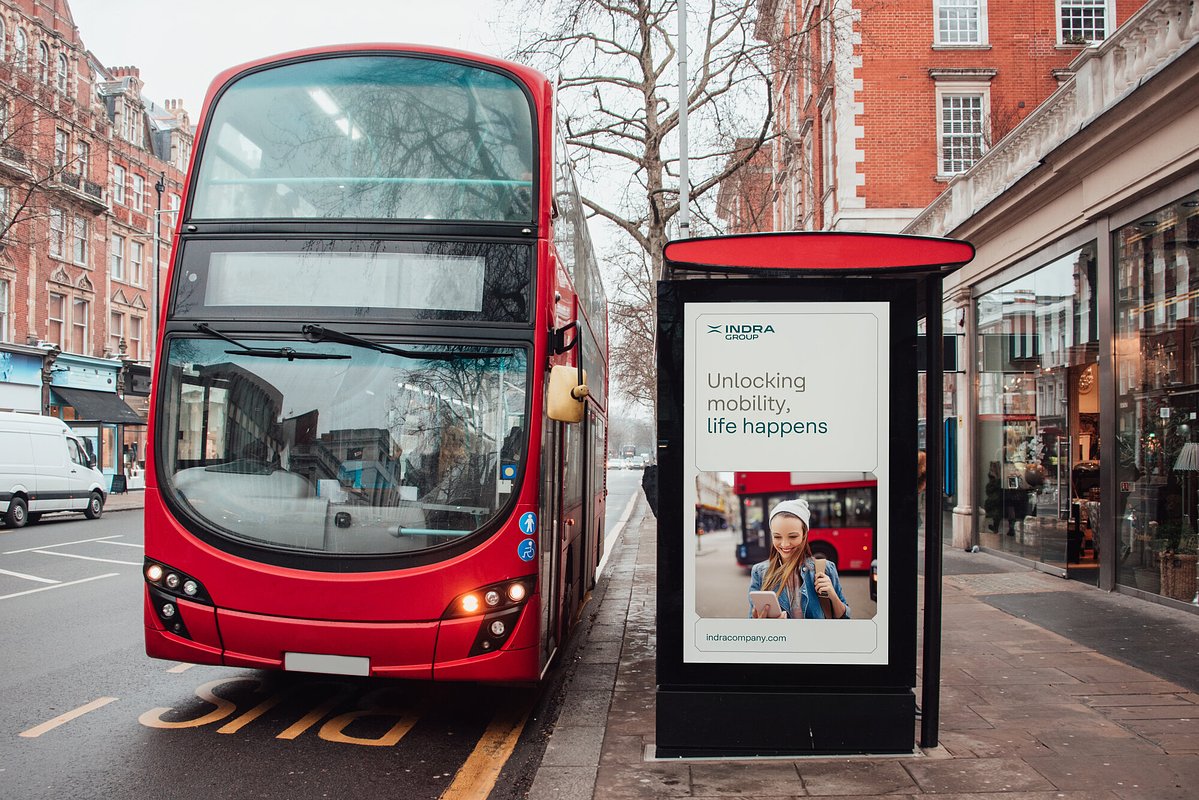
Indra Inks Billion-Euro Deal to Overhaul London's Transit Ticketing
LONDON, UK – January 16, 2026 – Transport for London (TfL) has awarded Spanish technology multinational Indra Group one of the largest public transit contracts in recent history, a deal worth nearly one billion euros to operate and revolutionize the ticketing system across the UK capital's vast transportation network. The landmark agreement, set to run until at least 2034, positions Indra as the strategic partner for modernizing the daily commute for millions of Londoners and visitors.
The contract, initially valued at £524 million (€605 million) and extendable to over £845 million (€975 million), tasks Indra with the operation, maintenance, and future development of the entire revenue collection infrastructure. This encompasses everything from the iconic Tube station turnstiles to the bus card readers that facilitate over 8.6 million journeys each day.
A New Era for the London Commute
For the millions of people navigating London's sprawling network of subways, buses, streetcars, and ferries, this partnership signals the most significant evolution in travel payment since contactless cards were introduced over a decade ago. The centerpiece of Indra's plan is the modernization of the Oyster card system, a transit stalwart since 2003, by transitioning it to a state-of-the-art Account Based Ticketing (ABT) model.
Unlike the current system where travel rights and balances are stored on the physical card, ABT holds this information securely in a centralized, cloud-based account. This fundamental shift will unlock a host of benefits for passengers. The system promises to automatically calculate and apply the most cost-effective fare for a user's travel pattern, including daily and weekly caps, regardless of whether they mix payment methods. This resolves a long-standing issue where using both an Oyster card and a separate contactless bank card could lead to overcharging.
The transition aims to address historical pain points associated with the legacy system, such as difficulties with online top-ups and refunds, which required physically tapping the card at a station to update. With an ABT system, account management becomes a seamless digital experience. Commuters will be able to "tap and go" using a wider variety of tokens, including their existing bank cards, smartphones, and wearables, with the system handling all fare calculations in the background.
The Billion-Euro Bet on a Smarter City
The sheer financial scale of the contract underscores its strategic importance for both London's future and Indra's global standing. The initial value of €605 million represents a significant portion—approximately 12.5%—of Indra's entire revenue from its 2024 financial year, highlighting the magnitude of this single project. With extensions, the deal could be worth over €975 million through 2039.
"We feel very proud to become Transport for London's technological partner for such an ambitious and transformational project for the transportation of London, a global flagship," declared Ángel Escribano, Executive Chairman of Indra Group, in a statement. He emphasized the company's commitment to "helping improve mobility for everyone living in or visiting the UK capital."
Securing this contract was a highly competitive process. The previous incumbent, US-based Cubic Transportation Systems, which had partnered with TfL since the inception of the Oyster card, reportedly mounted a legal challenge against the procurement decision. The intense competition for "Project Proteus," as the tender was known, reflects the high stakes involved in managing the fare collection for one of the world's most prestigious and complex transit networks. The decision to switch providers after a long-standing partnership signals TfL's determined push towards greater innovation, efficiency, and long-term cost-effectiveness.
Indra's Global Ambition Solidified
For Indra, this victory is a cornerstone of its 'Leading the Future' strategic plan, which targets aggressive growth in the United Kingdom, Ireland, and North American markets. The company, which already has a 20-year history in the UK through partnerships with air navigation provider NATS and infrastructure projects like the Silvertown tunnel, plans to significantly expand its local footprint. It aims to grow its UK team from around 200 professionals to over 1,000 in the coming years, creating a substantial base for its Mobility business.
The London project adds a crown jewel to an already impressive global portfolio. Indra reinforces its claim as one of the top three global firms in public transit solutions, citing successful large-scale implementations in over 100 cities. These include managing the comprehensive ticketing systems for the entire public transport network of Ireland, the new metro and bus network in Riyadh, Saudi Arabia, and renewing ticketing infrastructure for the MetroLink in St. Louis, USA. This proven track record in complex, multi-operator environments was likely a key factor in TfL's decision.
The Technology Behind the Taps
The project's scope is immense, going far beyond just the Oyster card. Over a nearly two-year transition period, Indra will assume full responsibility for thousands of pieces of hardware, including turnstiles, platform validators, ticket vending machines, and handheld inspection devices across the network.
Crucially, the firm will also manage the entire back-office system—the digital brain that processes billions of transactions annually. This involves a massive overhaul of the technological infrastructure, integrating advanced cybersecurity functions to protect sensitive passenger and payment data, enhancing data analytics capabilities, and coordinating with third-party payment gateways. The move to a cloud-based ABT architecture is not just a passenger-facing improvement; it provides TfL with powerful, unified data insights into travel patterns, which can be used to optimize services, plan for future demand, and improve operational efficiency.
While the promise of a more flexible and user-friendly system is compelling, the migration of a system used by millions daily presents a formidable challenge. The phased, two-year transition underscores the complexity of upgrading legacy infrastructure while ensuring uninterrupted service. The success of this ambitious project will ultimately be measured not just in technical milestones, but in the millions of smoother, simpler, and more efficient journeys made across the capital every day.