
- $1.9 billion: K-beauty exports to the U.S. in 2024, surpassing China
- 14.1% annual growth: Projected expansion of the U.S. K-beauty market through 2033
- 38% of Gen Z beauty consumers: Actively interested in gender-inclusive products
Experts view Laka's Sephora debut as a strategic alignment with the growing demand for inclusive, gender-neutral beauty products, signaling a shift toward self-expression over traditional beauty standards.
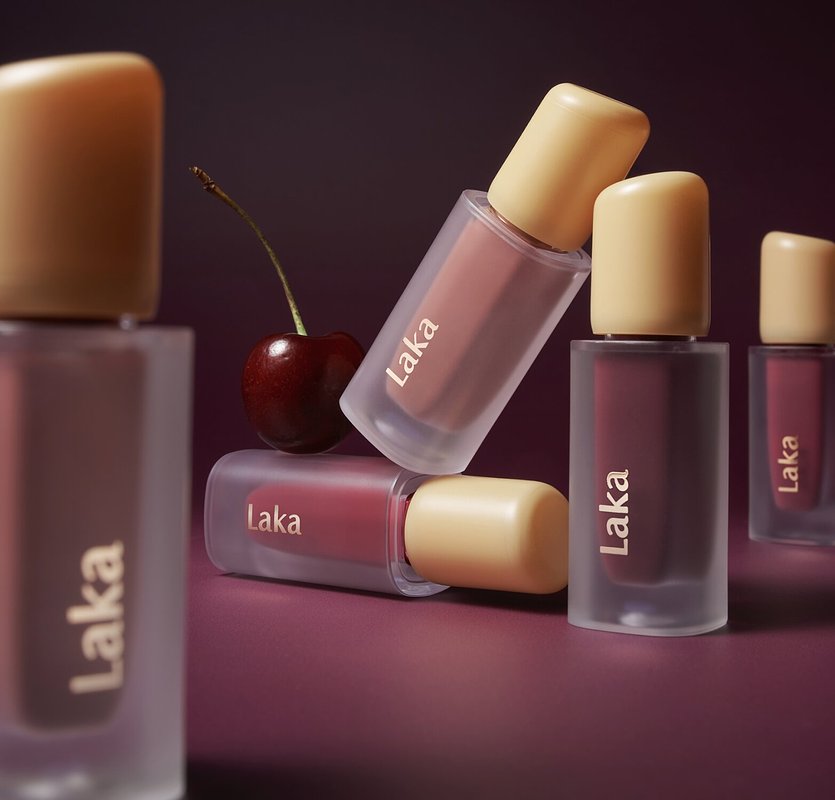
Laka Enters Sephora: K-Beauty's Inclusive New Wave Hits U.S. Shores
LOS ANGELES, CA – February 20, 2026 – The vibrant aisles of Sephora are making room for a new philosophy in beauty. Laka, a Korean brand celebrated for its gender-neutral and inclusive approach to makeup, has officially made its U.S. retail debut. As of today, its lip-focused collection is available on Sephora.com and in 80 select stores nationwide, marking a significant milestone for the brand and a noteworthy moment in the ongoing evolution of K-beauty's global influence.
For years, K-beauty has been synonymous with meticulous skincare routines and the pursuit of "glass skin." Laka, however, represents a different, more modern wave - one that prioritizes personal expression over prescribed ideals. The brand enters the highly competitive American market not just with innovative formulas, but with a distinct point of view: that makeup is a tool for play and self-discovery, unbound by gender or convention.
The initial launch collection zeroes in on the brand's expertise, featuring three core lip products. The lineup includes the Fruity Glam Tint ($18), an award-winning glossy stain popular in Asia; the Fruity Lip Glotioner ($18), a serum-gloss hybrid packed with peptides; and the online-exclusive Bonding Glow Lipstick ($16), a hydrating, buildable formula for everyday wear. These products are designed to be comfortable, adaptable, and complementary to a wide spectrum of skin tones and styles.
A New Wave of K-Beauty
Founded in 2018, Laka carved out its identity as Korea's first officially gender-neutral makeup brand. From its inception, its marketing has featured both male and female models, challenging the traditionally feminized landscape of color cosmetics in its home market. This ethos is about more than just aesthetics; it's a direct appeal to a generation that increasingly views identity as fluid and rejects rigid categorization.
"Our launch at Sephora marks an important milestone as we expand Laka's inclusive beauty philosophy to the U.S.," said Jicheol Lee, CEO of Laka, in a statement. "We're excited to connect with consumers who view makeup as a form of self-expression rather than a set of rules."
This philosophy taps directly into a powerful current in the American market. The U.S. has recently become the number one export destination for K-beauty products, surpassing China with exports reaching $1.9 billion in 2024. This segment, valued at approximately $2 billion in U.S. retail sales, is projected to expand at an impressive 14.1% annually through 2033. The growth is largely fueled by Gen Z and Millennial shoppers who are drawn to K-beauty's focus on high-quality ingredients and are particularly receptive to brands that champion authenticity and inclusivity. Industry analysis shows that 38% of Gen Z beauty consumers, for instance, are actively interested in gender-inclusive products.
Sephora's Strategic Bet on Inclusivity
For Sephora, bringing Laka into its curated portfolio is a calculated strategic move. The retail giant has invested heavily in diversifying its offerings and cementing its reputation as a leader in inclusive beauty. This commitment is visible in initiatives like its "We Belong to Something Beautiful" campaign and its landmark signing of the 15 Percent Pledge, which dedicates significant shelf space to Black-owned brands. By 2026, the company aims for 25% of its products to come from BIPOC-founded brands.
The addition of Laka aligns perfectly with this forward-looking retail strategy. It allows Sephora to capture a specific, growing demand for gender-neutral K-beauty while reinforcing its brand message of inclusivity. Laka's focus on self-expression over prescriptive beauty standards resonates with the values of the next-generation consumer that Sephora is keen to attract and retain. This partnership is not just about adding another K-beauty brand; it's about betting on a philosophy that is reshaping the industry from the inside out.
As one industry analyst noted, brands that authentically embrace inclusivity are not only driving social progress but are also building stronger customer loyalty and seeing significant financial returns. Laka's arrival in a mainstream retailer like Sephora signals that what was once a niche concept is now a central pillar of modern beauty commerce.
A Path Paved with Promise and Pressure
While new to many American consumers, Laka has already built a formidable presence across Asia. The brand quickly gained traction in Korea, securing placement in hundreds of Olive Young stores, the country's largest beauty retailer. Its success was even more pronounced in Japan, where overseas sales came to represent up to 80% of the brand's total revenue, leading to the opening of a flagship store in Seoul in 2025 to cater to its international following.
However, the brand's journey has not been without challenges. In August 2025, Goodai Global, a Korean beauty distribution company that had acquired a majority stake in Laka a year prior, divested the brand. The reason cited was an "underperforming growth performance" relative to other fast-growing brands in its portfolio. While Laka’s brand identity is strong and its domestic sales reportedly surged post-acquisition, its overall growth trajectory did not meet the aggressive expectations of its investors in the hyper-competitive Asian market.
This context adds a layer of pressure to its U.S. debut. The launch at Sephora provides Laka with an unparalleled platform and a second chance to prove its commercial scalability. Success will depend on its ability to translate its philosophical appeal into sustained sales against established giants like Fenty Beauty, which set the industry standard for inclusivity, and a rising tide of other K-beauty brands also vying for American shelf space. The U.S. launch is therefore both a tremendous opportunity and a critical test. As Laka's expressive lip tints and glosses begin to populate Sephora shelves, the brand is betting that American consumers are not just buying a product, but a new, more personal definition of beauty.