
- 11 years: The new Lagavulin Sweet Peat is aged exclusively for 11 years in first-fill American oak ex-bourbon casks.
- $69.99: The suggested retail price for the new expression.
- Gold Medal: The whisky earned a Gold Medal at the 2025 San Francisco Wine & Spirits Competition.
Experts view Lagavulin Sweet Peat as a strategic move to broaden the brand's appeal by balancing its signature smoky profile with approachable sweetness, reflecting broader industry trends toward more accessible peated whiskies.
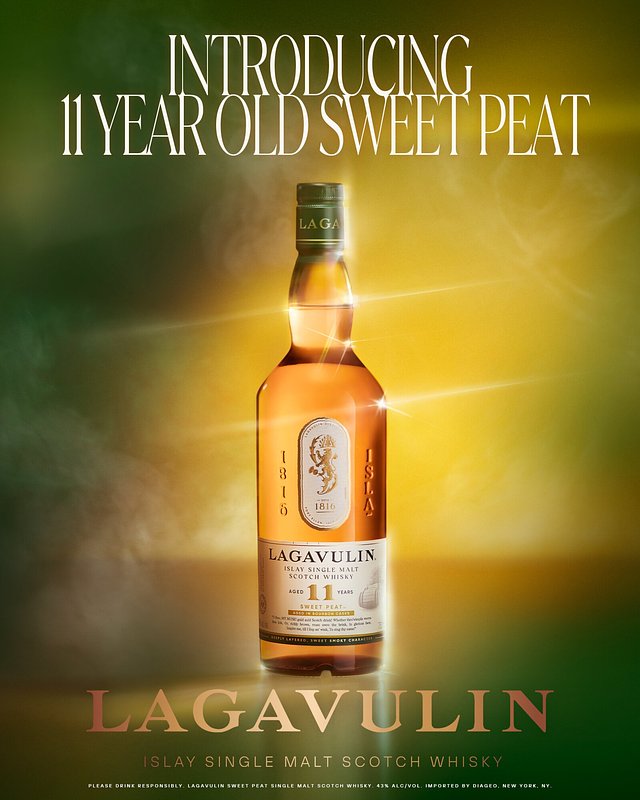
Lagavulin Sweet Peat: Islay's Smoky Icon Courts a New Generation
ISLAY, Scotland – February 05, 2026 – For over two centuries, the name Lagavulin has been synonymous with the raw, untamed spirit of Islay whisky—a potent symphony of peat smoke, sea salt, and medicinal brine. Yet, in a significant move that signals an evolution for the iconic distillery, Lagavulin has unveiled its first new permanent expression in nine years: the Lagavulin 11 Year Old Sweet Peat. This release is more than just a new bottle on the shelf; it's a carefully crafted invitation to a broader audience, aiming to balance the brand's formidable smoky legacy with a newfound, approachable sweetness.
Aged exclusively for 11 years in first-fill American oak ex-bourbon casks, Sweet Peat is a deliberate departure from the distillery's more traditional sherry-influenced profiles. The result is a whisky that seeks to redefine what a Lagavulin can be, already earning a Gold Medal at the 2025 San Francisco Wine & Spirits Competition before its wide release.
The Art of Approachable Peat
The creation of Sweet Peat is a masterclass in balance, a testament to the distillery's "deliberately slow, traditional approach to whisky making." The process begins with the same heavily peated malt and local Islay water that form the backbone of every Lagavulin expression. After a careful fermentation in wooden washbacks and distillation through the distillery's distinctive squat, pear-shaped copper pot stills, the spirit is laid to rest in a very specific type of cask: first-fill American oak ex-bourbon barrels.
This choice is pivotal. Unlike refill casks or the sherry butts used for other expressions, first-fill bourbon barrels impart a powerful wave of sweetness, vanilla, and gentle spice. Over 11 years, this influence tames the fiery peat, weaving it into a more complex and harmonious tapestry of flavor.
Dr. Stuart Morrison, a Diageo Master Blender, describes the experience: "On the palate, it opens with a gentle sweetness and salinity before bonfire smoke and oak spice come into focus. Notes of honeyed malt and toffee apple build through the mid-palate, finishing long with lingering peat smoke, dark chocolate, and soft vanilla."
This nuanced profile is central to the whisky's mission. While the signature Lagavulin bonfire smoke is undeniably present, it's wrapped in layers of caramel, orchard fruit, and warm baking spices, making for a more rounded and less intimidating experience for those new to Islay malts. Early reviews from critics have echoed this sentiment, highlighting its "approachable yet layered complexity" and a more restrained smoke profile compared to its siblings.
A Strategic Sip in a Shifting Market
The launch of Lagavulin 11 Year Old Sweet Peat is a highly strategic move by parent company Diageo, reflecting broader trends in the global spirits market. For nearly a decade, Lagavulin's permanent range has been anchored by the youthful, punchy 8 Year Old and the iconic, deeply complex 16 Year Old. The introduction of an 11-year-old expression fills a crucial gap, both in age and in flavor profile.
This release comes as the global appetite for premium and super-premium whisky continues to surge. The Scotch whisky market is projected to grow from nearly $39 billion in 2025 to almost $70 billion by 2034, with the super-premium segment leading the charge. Consumers are increasingly "drinking better, not more," seeking out products with heritage, quality, and a compelling story.
However, the very characteristic that defines Islay whisky—its pronounced peat smoke—can be a barrier to entry. "Pronounced smoke is a defining element of Islay Scotch, albeit one that can feel polarizing to some drinkers," noted Jesse Damashek, Senior Vice President of Whiskey at Diageo. "Sweet Peat presents peat in a way that tastes more approachable, while still delivering the depth and complexity long associated with Lagavulin."
This strategy of "approachable peat" is gaining traction across the industry as distilleries seek to broaden their consumer base. By softening the smoke and amplifying the sweeter notes from the cask, Lagavulin is extending a hand to a new generation of whisky drinkers who may be curious about peat but hesitant to dive into its most aggressive forms. The move also aligns with Diageo's broader efforts to modernize its heritage brands, showcasing their versatility in cocktails and contemporary social settings.
Navigating a Competitive Islay Landscape
Priced at a suggested $69.99, Lagavulin 11 Year Old Sweet Peat enters a fiercely competitive field. It finds itself positioned against other celebrated peated malts in the 10-15 year age range, each with its own distinct character. Competitors include the elegant yet heavily peated Port Charlotte 10-Year from Bruichladdich, the lighter, more citrus-forward Caol Ila 12-Year (another Diageo Islay distillery), and the famously medicinal Laphroaig 10-Year.
Where Sweet Peat aims to distinguish itself is in its specific balance of flavors. While an Ardbeg Uigeadail might appeal to those seeking intense peat combined with rich sherry sweetness, and a Talisker 10-Year offers a peppery, coastal profile, Lagavulin's new offering carves a niche with its bourbon-cask-driven sweetness. It's less about a sherry bomb or a smoke monster and more about a harmonious integration of malt, oak, and peat.
By offering a profile that is distinctly Lagavulin yet gentler and sweeter than its core expressions, the distillery is not just competing with its Islay neighbors but also with a growing category of "smoky-sweet" whiskies from other regions, such as Benriach's The Smoky 12 or The Balvenie's Week of Peat. This positions Sweet Peat as a potential gateway not just to Lagavulin, but to the entire world of peated Scotch.
An Evolution of a Legacy
The introduction of Sweet Peat should not be seen as a replacement for Lagavulin's revered classics, but as a thoughtful expansion of the family. It joins a portfolio that tells a story of time and smoke. The 8 Year Old offers youthful exuberance and raw power, inspired by a historic bottling praised in the 19th century. The 16 Year Old remains the distillery's flagship, a benchmark for aged Islay malt known for its profound depth and richness. The annual Distillers Edition showcases the influence of sweet Pedro Ximénez sherry casks, while limited releases like the popular Offerman Editions have explored unique cask finishes.
The 11 Year Old Sweet Peat finds its own unique place within this lineage. Its exclusive maturation in first-fill ex-bourbon casks provides a different kind of sweetness than the sherry-finished expressions, focusing more on vanilla, caramel, and toffee notes derived from the American oak. This makes it a distinct entity, offering a new perspective on the distillery's character.
The brand's emphasis on its versatility in cocktails, with signature serves like the "Smoky Sweet Old Fashioned" and "Sweet Peat Tea," further underscores its modern positioning. It’s a whisky designed not just for quiet contemplation by the fireside but also for shared moments in a lively bar, enjoyed neat, on the rocks, or as the sophisticated base of a craft cocktail. With this launch, Lagavulin proves that even a 200-year-old titan can learn new tricks, skillfully blending its revered tradition with a clear-eyed vision for the future.
Topics & Related
ESG
Automation
Acquisition
Revenue
Related Company Pulse