
- 1,500-unit self-storage facility built atop an active LA Metro subway tunnel
- 166,000-square-foot structure completed after a six-year development process
- 7-story building designed to avoid compromising the tunnel below
Experts view this project as a groundbreaking example of urban ingenuity, demonstrating how innovative engineering and strategic planning can transform seemingly undevelopable sites into valuable community assets in densely populated areas.
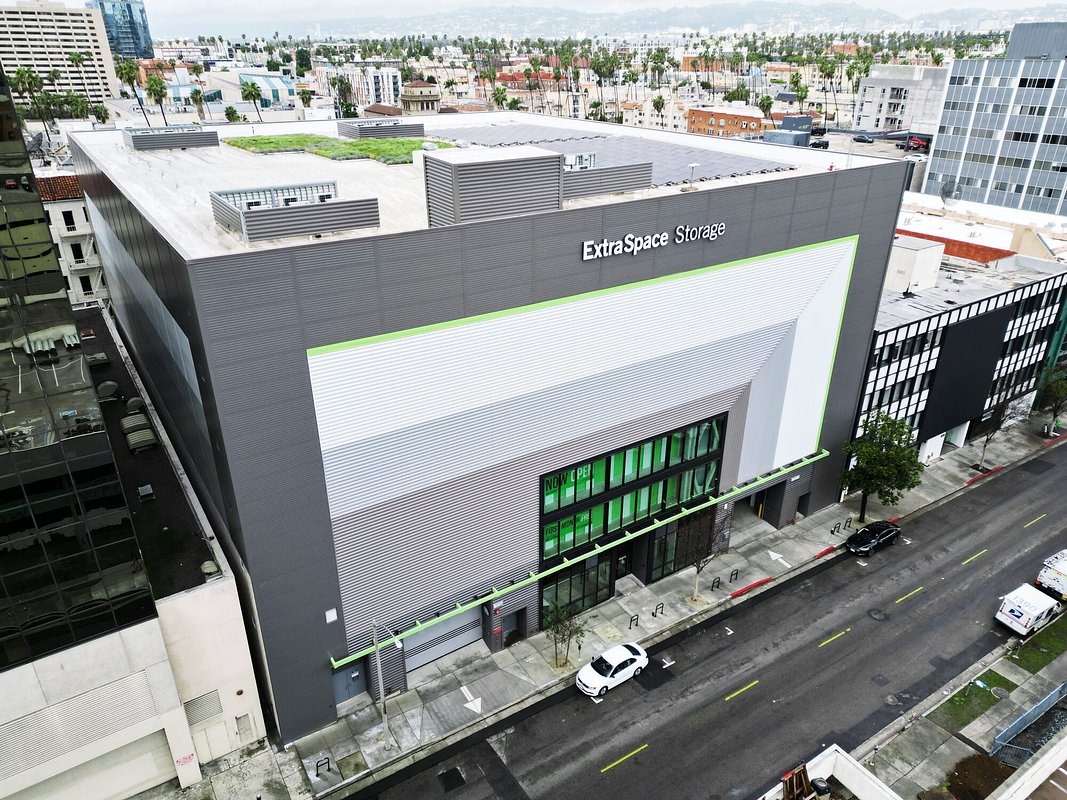
Koreatown's Vertical Solution: A Storage Giant Built Above LA's Metro
LOS ANGELES, CA – April 08, 2026 – In a feat of engineering and urban ingenuity, a seven-story self-storage facility has risen on a Koreatown lot long deemed undevelopable, sitting directly atop an active LA Metro subway tunnel. The completion of Catalina Self-Storage at 627 S. Catalina Street marks the culmination of a six-year journey that transformed a blighting surface parking lot into a modern, 1,500-unit facility, addressing the critical needs of one of Los Angeles's densest neighborhoods.
Developed by an affiliate of Banner Storage Group, the 166,000-square-foot structure represents a significant milestone in complex urban infill projects. The project, which began its planning phase in 2019 and opened in late 2025, navigated a labyrinth of logistical, regulatory, and engineering hurdles, setting a potential new precedent for transit-adjacent development in tightly packed cities.
Engineering the 'Undevelopable'
The primary challenge was the site's location directly above the LA Metro Purple Line (D Line) tunnel. This subterranean artery imposed severe structural load limitations, effectively ruling out heavier, high-density uses like multifamily housing that would typically be favored for such a prime urban parcel. Overcoming this constraint required more than just innovative design; it demanded a sustained, multi-year collaboration with one of the nation's largest transit authorities.
For over two years, Banner’s team worked with LA Metro to secure the necessary approvals, a process that involves intense scrutiny. LA Metro maintains a stringent review process for any development within 100 feet of its right-of-way to ensure the safety and operational integrity of its transit network. The engineering had to prove, with zero margin for error, that the building’s weight and construction process would not compromise the tunnel below.
“At multiple points, the prevailing view was that this site could not be built on,” said Margo Conley, President of Banner Storage Group, in a statement. “The structural constraints were real. We had to demonstrate through engineering, coordination, and persistence that self-storage was not only feasible, but the most responsible use for this location.”
The project’s structural engineering, handled by Martin & Martin, and geotechnical work by Langan, were pivotal. The team developed a specialized foundation and support system to distribute the building's load away from the most sensitive points of the tunnel, effectively creating a structural bridge. This engineering solution, while complex and costly, was the key to unlocking the site's potential. The construction phase, which commenced in 2023 under general contractor ARCO/Murray, also navigated disruptions from the COVID-19 pandemic and regional wildfires, testing the project team’s resilience.
A Solution for a Crowded City
Beyond its technical achievements, the Catalina Self-Storage facility addresses a pressing need in Koreatown. The neighborhood is one of Los Angeles's most renter-concentrated and densely populated areas, characterized by smaller apartment units that offer limited personal storage. This demographic reality fuels a powerful, consistent demand for external storage solutions.
Analysis of the Los Angeles self-storage market confirms this dynamic. While California has approximately 6.5 square feet of storage per capita, dense urban centers like Los Angeles lag significantly, with some estimates placing supply at or below 5 square feet per person. This undersupply has historically kept rental rates high, making Los Angeles one of the nation's most expensive storage markets. Although the market has seen some price stabilization following a post-pandemic supply increase, the fundamental demand driven by high-density living remains robust.
By converting an underutilized parking lot into a professionally managed asset, the project also delivers a tangible improvement to the local streetscape. The facility’s design, created by SGW Architects, incorporates enclosed loading docks to minimize traffic disruption on Catalina Street, which sees over 40,000 vehicles daily. Its controlled operating hours and limited traffic generation make it a relatively low-impact neighbor in the bustling urban environment.
A Blueprint for High-Barrier Markets
The Catalina project serves as a powerful case study for Banner Real Estate Group's broader business strategy, which focuses on tackling complex projects in high-barrier-to-entry urban markets. By pursuing developments that competitors might dismiss as too difficult or risky, the firm carves out a niche where competition is limited and the potential for creating value is high. This approach requires deep expertise in navigating intricate entitlement processes, zoning changes, and unique structural challenges.
The project was a massive collaborative effort, capitalized with an institutional equity partner and financed with a construction loan from PNC Bank. The successful completion of such a multifaceted development showcases a model that Banner aims to replicate in other transit-rich, high-density urban areas across the country. By proving that even the most constrained sites can be developed responsibly, the company has created a blueprint for unlocking hidden value in urban landscapes.
Building Green Above the Ground
Adding another layer to its modern profile, the Catalina Self-Storage facility integrates a suite of sustainable features. The building incorporates a green roof, which helps mitigate the urban heat island effect, improves air quality, and manages stormwater runoff—a critical benefit in a city like Los Angeles. The roof is paired with a rainwater capture system, allowing for the collection and reuse of water for non-potable needs, thereby reducing the building's reliance on the municipal water supply.
Furthermore, the facility includes on-site solar infrastructure to generate renewable energy, lowering its carbon footprint and long-term operating costs. The inclusion of EV parking spaces caters to the growing adoption of electric vehicles and promotes sustainable transportation choices. Combined with energy-efficient HVAC and lighting systems throughout the seven-story structure, these elements position the project not just as an engineering solution, but as an example of environmentally conscious commercial development.
Ultimately, the story of 627 S. Catalina Street is about more than just a new building. It is a testament to how creative problem-solving, persistent engineering, and strategic vision can converge to address the practical needs of urban life. As cities continue to grow denser, the ability to transform challenging, overlooked parcels into productive, community-serving assets will become an increasingly vital skill in shaping the future of the urban environment.