
- Market Growth: GLP-1 drug market surged from $13.7 billion in 2019 to over $71 billion in 2024, with projections exceeding $125 billion by 2033.
- Temperature Sensitivity: GLP-1 therapies require strict 2°C to 8°C storage, with a critical 'never freeze' rule to maintain efficacy.
- Operational Impact: Specialty pharmacies report reducing packaging inspection times by half after adopting purpose-built GLP-1 mailers.
Experts agree that the launch of Nordic Cold Chain Solutions' GLP-1 Innovation Lab is a critical step in addressing the logistical challenges of delivering temperature-sensitive medications, ensuring patient safety and supply chain efficiency in a rapidly growing market.
Keeping Cool: New Lab Tackles GLP-1 Drug Delivery Challenge
HATFIELD, Pa. – March 26, 2026 – As the global demand for GLP-1 weight-loss and diabetes drugs continues to skyrocket, the complex logistical challenge of delivering these temperature-sensitive medications safely to patients is pushing the supply chain industry to innovate. Responding to this pressure, Nordic Cold Chain Solutions today announced the launch of its GLP-1 & Small-Format Packaging Innovation Lab.
The new facility is a dedicated initiative designed to help specialty pharmacies, pharmaceutical manufacturers, and e-commerce distributors manage the intricate process of shipping GLP-1 therapies. These drugs, part of a rapidly growing market, require strict temperature control, making their journey from production to patient a high-stakes endeavor.
The lab formalizes the company's hands-on approach to designing and scaling cold chain packaging solutions specifically for the parcel and small-format channels that are increasingly dominant in direct-to-patient healthcare. By focusing on this critical niche, the company aims to streamline a vital link in the modern pharmaceutical supply chain.
“As the GLP-1 landscape continues to evolve at unprecedented speed, our customers need partners who can move just as fast,” said Keith Baechle, Chief Commercial Officer at Nordic Cold Chain Solutions, in a statement. “This lab is an extension of our customer-first mindset—bringing our engineering expertise, industry knowledge, and hands-on experience together to help customers adapt quickly and scale confidently.”
The Soaring Demand for a Sensitive Payload
The launch of the innovation lab is a direct response to one of the most significant shifts in the pharmaceutical market in decades. The GLP-1 drug class, which includes blockbuster names like Ozempic, Wegovy, Mounjaro, and Zepbound, has seen explosive growth. The market surged from approximately $13.7 billion in 2019 to over $71 billion in 2024, with some analysts projecting it could exceed $125 billion by 2033.
This unprecedented demand, however, comes with a critical logistical caveat: GLP-1 therapies are biologics, making them highly sensitive to their environment. To maintain stability and efficacy, these injectable medications must be stored and transported within a strict refrigerated temperature range of 2°C to 8°C (36°F to 46°F).
Even more challenging is the strict "never freeze" rule. If the temperature drops below freezing, ice crystals can form and damage the delicate peptide structure of the drug, rendering it ineffective. This damage is often invisible, making temperature compliance a matter of patient safety. Unlike some medications with wider excursion windows during shipping, the margin for error with GLP-1s is virtually zero, placing immense pressure on the packaging and logistics that protect them.
Engineering Solutions for the Final Mile
Nordic's new lab aims to tackle these challenges by focusing specifically on the small-format packaging used in the burgeoning direct-to-patient and specialty pharmacy sectors. As more prescriptions are filled and shipped directly to consumers' homes, the need for reliable, compact, and efficient mailers and shippers has become paramount.
The lab brings customers, such as high-volume pharmacies, directly into the design process. This collaborative approach allows for the development of packaging solutions built for real-world conditions, from high-velocity fulfillment centers to the unpredictable environment of last-mile parcel delivery.
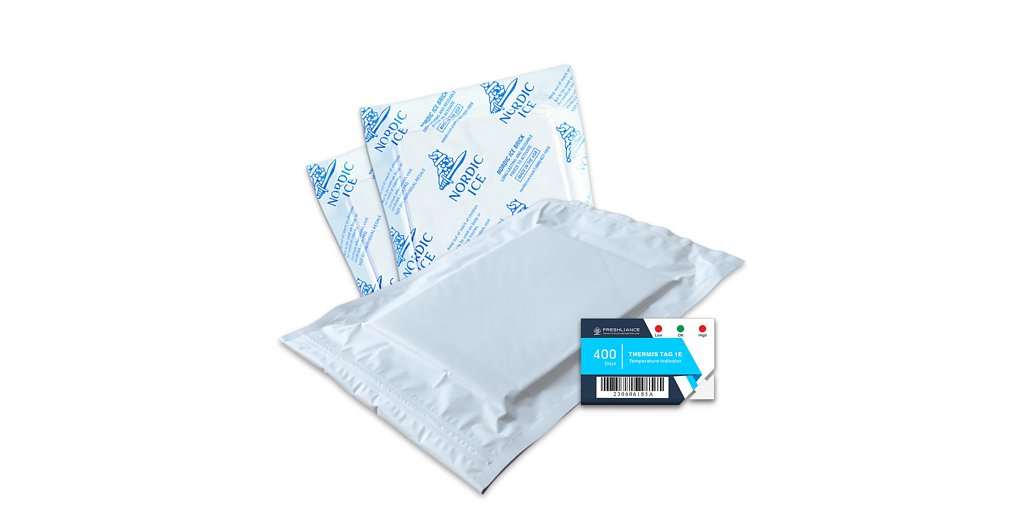
The primary goal is to standardize pack-outs, improve consistency, and shorten the path from a packaging concept to a scalable, mass-produced solution. For a specialty pharmacy shipping thousands of GLP-1 prescriptions daily, inefficient or inconsistent packaging can lead to bottlenecks, increased labor costs, and a higher risk of temperature excursions. By optimizing the design of insulated mailers and the placement of refrigerants like gel packs, the lab helps create systems that are both thermally robust and easy for pharmacy technicians to assemble quickly and correctly.
This focus directly supports the accelerating trend of pharmaceutical e-commerce, making it more feasible and reliable to ship complex medications that once would have been dispensed almost exclusively in person.
Navigating a Maze of Regulations
Beyond the technical and physical challenges, shipping GLP-1 medications involves navigating a complex web of regulatory and compliance standards. Failure to do so can result in significant penalties and, more importantly, put patients at risk. The new innovation lab is designed to produce solutions that meet these stringent requirements from the outset.
Key among these are the Good Distribution Practices (GDP) mandated by the U.S. Food and Drug Administration (FDA), which govern the safe storage and transportation of drugs. Furthermore, the Drug Supply Chain Security Act (DSCSA) requires robust tracking and tracing to prevent counterfeit products from entering the supply chain, a system that relies on verifiable data at every step.
The lab's processes are also aligned with standards from key accreditation bodies like URAC (Utilization Review Accreditation Commission), which is a critical benchmark for specialty pharmacies. URAC standards for packing, shipping, and tracking require documented proof of temperature control, and Nordic's initiative aims to provide its clients with the validated packaging and data needed to achieve and maintain this accreditation.
By incorporating ISTA (International Safe Transit Association) certified laboratory testing, the packaging solutions can be validated against simulated real-world transit conditions, proving they can withstand the seasonal temperature extremes of shipping lanes across the country. This level of documentation and process discipline is essential for operating in the regulated healthcare environment.
A Crowded Field and a Race for Efficiency
Nordic Cold Chain Solutions is not the only company vying to solve the GLP-1 packaging puzzle. The rapid market growth has attracted numerous players, from established thermal packaging giants to nimble startups, all offering solutions ranging from advanced phase-change materials to lightweight insulated liners and integrated temperature monitors. The competitive differentiator often comes down to efficiency, scalability, and proven performance.
By creating a dedicated innovation lab, Nordic is signaling a deep commitment to this specific market segment. The company leverages its existing track record, which includes case studies where specialty pharmacies have significantly improved operational efficiency. For instance, some clients have reported reducing packaging inspection times by half and preventing costly temperature excursions within the first month of switching to a purpose-built GLP-1 mailer.
Ultimately, the success of initiatives like the GLP-1 & Small-Format Packaging Innovation Lab will be measured by their ability to make the delivery of these life-changing medications seamless, safe, and scalable. As the demand for GLP-1 therapies continues to reshape both medicine and logistics, the unseen infrastructure of cold chain packaging has become a critical component in ensuring patient access and effective care.