
- $14.5 billion: Projected market size for aircraft electric motors by 2032, up from $6.4 billion in 2022
- 8.5% CAGR: Compound Annual Growth Rate for the aircraft electric motor sector
- 30 years: Kawak's engineering expertise in aviation technology
Experts agree that Kawak Aviation Technologies is strategically positioned to lead in electrifying specialized aviation sectors, leveraging its decades of expertise to deliver durable, high-performance electric motors for mission-critical applications.
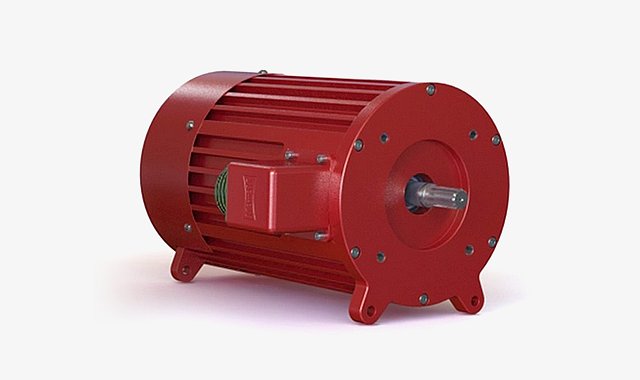
Kawak's Electric Leap: Powering Aviation's Most Demanding Jobs
BEND, OR – December 04, 2025 – High above a raging wildfire, a helicopter pilot precisely controls the release of thousands of gallons of water. On a vast farm, an agricultural aircraft delivers nutrients with pinpoint accuracy. These mission-critical tasks, where failure is not an option, are increasingly powered by an unseen revolution: advanced electric motors. At the heart of this shift is Kawak Aviation Technologies Inc., a Bend, Oregon-based company leveraging three decades of engineering expertise to build the rugged, reliable electric power systems for aviation's toughest jobs.
While much of the industry's attention is focused on electric urban air taxis, Kawak is carving out a vital niche by electrifying the workhorse aircraft that operate in the world's most unforgiving environments. The company's recent expansion of its AC and Brushless DC (BLDC) electric motor portfolio isn't just an incremental product update; it represents a critical step in making specialized aviation more sustainable, efficient, and reliable.
Engineering for the Extremes
The leap to electric power in aviation is about more than just swapping a fuel line for a power cable. For the sectors Kawak serves, it's about delivering uncompromising performance under duress. The company's motors are engineered to operate flawlessly amidst the extreme heat, smoke, and intense vibrations of aerial firefighting, or the corrosive chemicals and continuous high-output demands of agricultural spraying.
"The aviation industry's shift toward hybrid-electric propulsion systems and zero-emission technologies requires electric motors that can deliver exceptional performance without compromising on durability or reliability," a spokesperson for Kawak Aviation Technologies stated in a recent announcement. This focus on durability is Kawak's key differentiator in a burgeoning market.
Their motors feature superior power density—a critical metric in aviation where every ounce matters—and advanced programmable capabilities. This allows operators to fine-tune motor performance for specific mission profiles, whether it's managing a fluid transfer pump, actuating a heavy cargo door, or powering an auxiliary system on a military vehicle. By focusing on these demanding, real-world applications, the company is proving the viability of electric technology where it is needed most, building a foundation of trust based on performance rather than projection.
A Quiet Surge in a Multi-Billion Dollar Market
Kawak's strategic focus is well-timed. While the futuristic electric Vertical Takeoff and Landing (eVTOL) market captures headlines, the broader market for aircraft electric motors is already a significant force. Market analyses project the sector to grow from over $6.4 billion in 2022 to nearly $14.5 billion by 2032, demonstrating a robust Compound Annual Growth Rate (CAGR) of around 8.5%. This growth is driven by the industry-wide 'More Electric Aircraft' (MEA) trend, which involves systematically replacing legacy hydraulic and pneumatic systems with lighter, more efficient, and more reliable electrical components.
This is precisely where Kawak operates. The company's motors are integral to the MEA transition, powering systems from air conditioning to generator drives. While giants like Rolls-Royce, GE Aerospace, and Safran are developing large-scale propulsion systems for commercial airliners, Kawak's targeted approach on specialized mission equipment allows it to lead in a segment with unique and challenging requirements. This niche strategy insulates it from direct competition with aerospace titans while positioning it as an essential supplier for a critical part of the aviation ecosystem.
North America remains the dominant market for this technology, fueled by significant R&D investment and a mature aerospace industry. As a U.S.-based manufacturer with deep roots in aviation, Kawak is perfectly positioned to capitalize on this regional strength.
From Rugged Mechanics to Electric Innovation
Kawak's leadership in electric systems is not an overnight success but the natural evolution of a 30-year journey. Founded in the hub of Bend, Oregon, the company built its reputation by engineering and manufacturing highly reliable, rugged mission equipment for helicopters and fixed-wing aircraft. This deep institutional knowledge of mechanical stress, operational demands, and the stringent safety culture of aviation provides an invaluable foundation for its electric motor division.
This legacy is formally recognized by its FAA Part-145 Air Repair Station certification, a credential that speaks volumes about its commitment to quality and its ability to navigate the complex regulatory landscape. For customers in the military, firefighting, and agricultural sectors, this background provides an assurance that Kawak's electric motors are not just innovative but are built to the same exacting standards as the traditional aviation components they have trusted for decades.
This evolution from mechanical to electro-mechanical solutions demonstrates a keen understanding of market direction. The company is not simply chasing a trend but is applying its core competency—building reliable equipment for harsh environments—to the next generation of aviation technology.
Enabling a Sustainable Future for Utility Aviation
Ultimately, the adoption of electric motor technology in specialized aviation aligns with the global push for sustainability. As industries face increasing pressure to reduce their environmental impact, electric systems offer a clear path toward lower emissions, reduced noise pollution, and greater operational efficiency. Electric motors inherently have fewer moving parts than their combustion counterparts, leading to lower maintenance costs and extended service life—a significant economic benefit for high-utilization operators.
The regulatory pathways for electric aviation are still being paved by bodies like the FAA and EASA, with a primary focus on new aircraft types. However, by enhancing the efficiency and sustainability of existing, indispensable aircraft fleets, Kawak is contributing to the industry's green transition in a practical, immediate way. Their work ensures that the essential services provided by utility aviation can continue to operate effectively while progressively reducing their environmental footprint.
As the industry moves toward hybrid-electric and eventually all-electric solutions for a wider range of applications, the expertise forged in these demanding, niche markets will be indispensable. Kawak Aviation's focus on building the most reliable electric motors for the toughest jobs is not just securing its place in today's market but is also establishing it as a foundational innovator for the future of flight.