
- 93-unit apartment complex reached full occupancy in less than 3 months (typically takes a year)
- Katy's rental vacancy rate at 4.0%, significantly lower than Harris County's 9.4% average
- $130,000 affordability gap between median home price ($325,000) and what median income supports ($195,000)
Experts agree that the rapid lease-up of Palladium Park Row Katy Living underscores the severe housing affordability crisis in Harris County, driven by high demand, low supply, and widening gaps between incomes and housing costs.
Katy Housing Project's Rapid Lease-Up Exposes Affordability Crisis
KATY, TX – May 15, 2026 – By Nancy Torres
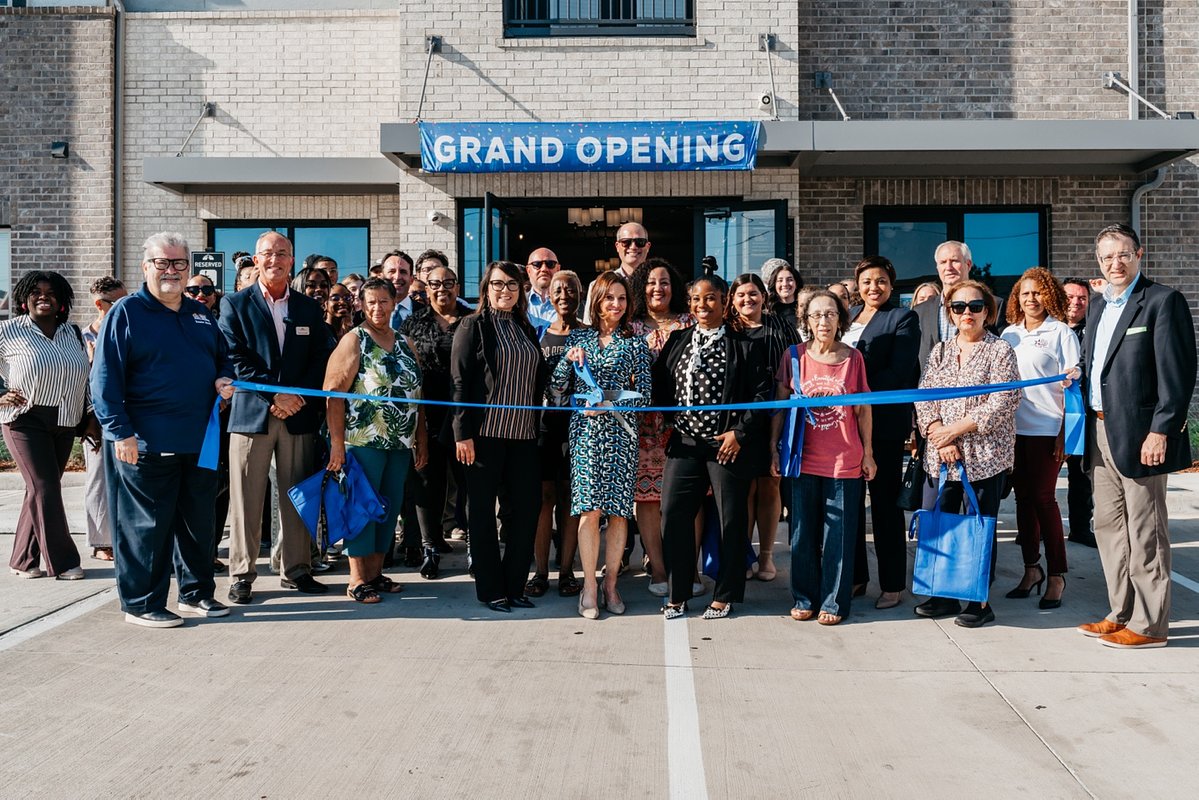
A grand opening celebration for a new apartment complex is typically a routine affair. But the event held this week at Palladium Park Row Katy Living was anything but ordinary. The $33 million, 93-unit mixed-income community wasn't just celebrating its ribbon-cutting; it was celebrating a milestone that serves as a stark barometer of the Houston area's deepening housing crisis: it reached full occupancy in less than three months.
This rapid lease-up, a process that developers say usually takes a full year, highlights the immense and often desperate demand for quality, attainable housing in one of Texas's fastest-growing corridors. As Harris County's population surpasses five million, the success of Palladium Park Row is both a celebrated victory for 93 families and a sobering indicator of the thousands more being left behind.
A Symptom of Deep-Seated Demand
The speed at which Palladium Park Row filled its apartments shocked even its developers. “With one of the fastest lease-ups in our company’s history, Palladium Park Row Katy Living delivers 93 high-quality, attainable homes,” said Kim Parker, Executive Director of Development for Palladium USA, the project's developer. The accelerated timeline, she noted, “underscores the depth of demand for high-quality, attainable housing in the Katy area.”
This isn't hyperbole. The Katy submarket has a rental vacancy rate hovering around a tight 4.0%, significantly lower than the 9.4% average for Harris County. This indicates a fiercely competitive rental market where supply is severely constrained. The project, a three-story community on 3.2 acres, offers a mix of 58 income-restricted units for households earning between 30% and 80% of the Area Median Income (AMI) and 35 units at market rates. The demand was strong across the board, demonstrating that the affordability crunch affects a wide spectrum of residents, not just the lowest earners.
The need is so profound that six of the units were specifically reserved for households earning 30% or less of the AMI, a group for whom safe and stable housing is often completely out of reach. For these families, a project like Palladium Park Row is not just an option; it's a lifeline.
The Widening Affordability Gap
The story of Palladium Park Row is a microcosm of a regional crisis. Harris County, long known for its relative affordability, is now rated as "at risk" by Rice University's prestigious Kinder Institute for Urban Research. The numbers paint a grim picture: the median home price has climbed to $325,000, while the median income only supports a home costing $195,000, creating a staggering $130,000 affordability gap.
Renters are feeling the pressure just as acutely. Nearly 350,000 households in Harris County earning less than $35,000 annually are considered “cost-burdened,” spending more than 30% of their income on housing. Compounding the issue is a severe supply shortage. For every 100 low-income families seeking a place to live, only 84 rental units are available, a stark decline from just a decade ago. This scarcity has earned the Houston metro the unenviable distinction of having the third most severe shortage of rental homes for low-income residents in the entire country, according to the National Low Income Housing Coalition.
“Our mission is to expand and preserve affordable housing across Harris County,” said Rene Martinez, Executive Director of the Harris County Housing Finance Corporation (HCHFC), a key partner in the project. “We are helping to deliver thousands of new affordable housing units to the market, giving homes and hope to people who need it the most.”
A Blueprint for Progress
Palladium Park Row stands as a testament to the power of public-private partnerships in tackling this systemic challenge. The project’s $33 million price tag was financed through a complex but effective blend of public and private funding, a model that experts say is essential for making such developments financially viable.
Financing included:
* $15 million from 9% Low-Income Housing Tax Credits (LIHTC) provided by the Texas Department of Housing and Community Affairs.
* $5 million from Harris County, sourced from the U.S. Treasury's American Rescue Plan Act (ARPA) funds.
* $13.3 million in tax credit equity and over $12 million in long-term debt from PNC Bank.
This collaborative funding structure allowed developers to offer rents below market rate while still building a high-quality property. The $5 million in ARPA funds is part of a larger $273 million commitment by Harris County to address the housing crisis, an investment aimed at creating and preserving thousands of affordable units across the region.
“Park Row Katy serves as a vital cornerstone of our commitment to Harris County residents, ensuring these homes stay affordable so families can focus on their futures and truly thrive within their communities,” stated Thao Costis, Executive Director of Harris County Housing & Community Development.
More Than Just a Roof
For residents, the project’s impact goes far beyond its affordable rent. The development was designed to provide a high quality of life, challenging the outdated stigma often associated with affordable housing. Community amenities include a resort-style swimming pool, a modern fitness center, a business center with computers and printers, a dog park, a children’s playroom, and even EV charging stations.
One of the most impactful features, according to a resident, is a food pantry available on-site for anyone in need—a recognition of the broader economic pressures families face. “Living at Palladium Park Row Katy Living has truly been one of the best living experiences I’ve ever had,” shared resident Leshaun James. “The business center has been extremely useful... and the gym has wonderful equipment. What stands out to me the most is the food pantry they provide for residents. This place genuinely feels like home.”
This focus on building a supportive community, not just constructing units, is a core part of the strategy. By providing modern apartments with granite countertops and private balconies alongside robust community amenities, the project ensures that affordability does not come at the cost of dignity or quality. As developers like Palladium USA continue to build thousands more units across Texas, the lessons from Katy's rapid lease-up will undoubtedly inform future projects, underscoring that for every family housed, many more are still waiting.