
- 50 million copies sold worldwide - Translated into over 35 languages - Publisher's estimated annual revenue: $100M+
Experts acknowledge 'Jesus Calling' as a spiritually impactful and commercially successful devotional, while noting ongoing theological debates over its methodology and potential challenges to Protestant doctrine.
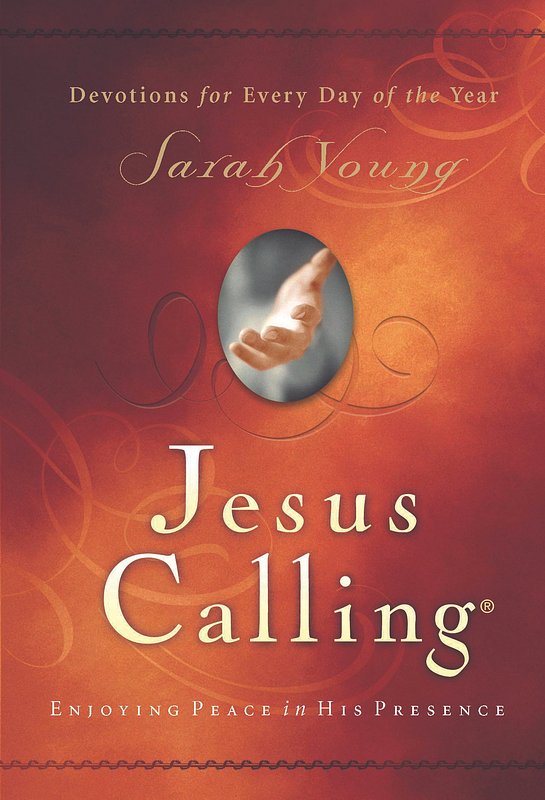
'Jesus Calling' Hits 50M Sales Amid Enduring Appeal & Controversy
NASHVILLE, TN – January 29, 2026 – The devotional brand Jesus Calling has officially crossed a monumental sales threshold, with publisher HarperCollins Christian Publishing announcing that the franchise has sold more than 50 million copies worldwide. The milestone, reached over two decades after its initial publication, places the work by the late Sarah Young among the best-selling books of the modern era and solidifies its status as a global spiritual fixture.
Translated into over 35 languages, the devotional's simple format—a short daily reading written from the perspective of Jesus, paired with scripture—has cultivated a massive and loyal following. While the publisher celebrates its staggering commercial success and cultural impact, the book's journey has not been without significant theological controversy, creating a complex legacy for one of the most successful devotionals of all time.
The Anatomy of a Spiritual Phenomenon
At its core, the success of Jesus Calling lies in its profound personal resonance with readers. Since its 2004 release, the book has become a daily ritual for millions seeking solace, guidance, and a tangible sense of connection to their faith. The readings are designed to encourage quiet reflection, a practice many find essential in an increasingly fast-paced world.
"For many people, Jesus Calling became part of a daily habit, especially during difficult or uncertain seasons," said Michael Aulisio, VP and Publisher of the Jesus Calling Brand, in a statement. "Sarah wrote the book to help people feel closer to Jesus and find peace in His presence. This milestone represents the millions of lives that have found comfort and encouragement there."
This search for comfort was particularly evident during the COVID-19 pandemic, a period during which sales reportedly surged as people grappled with widespread uncertainty and isolation. The book's appeal extends far beyond traditional church pews, attracting a diverse audience that includes prominent figures in entertainment and sports. Celebrities such as Reba McEntire, Dolly Parton, Tony Dungy, and Savannah Guthrie have publicly mentioned turning to the devotional, amplifying its reach and cementing its place in mainstream culture as a tool for introspection and spiritual grounding.
From Devotion to Dynasty: Building the 'Jesus Calling' Empire
The 50-million-unit milestone is not just for a single book but for an entire brand that has been strategically cultivated by Thomas Nelson, an imprint of HarperCollins Christian Publishing. The publisher, with an estimated annual revenue exceeding $100 million, has masterfully expanded the Jesus Calling universe into a multi-platform media empire, demonstrating a potent fusion of faith and commerce.
The franchise now includes a wide array of products catering to different demographics and consumption habits. There are devotionals for children and teens, themed collections, journals, and seasonal books. The brand's digital footprint is particularly robust. The Jesus Calling Podcast, launched in 2016, has released nearly 500 episodes and boasts over 15 million downloads, featuring faith stories from a wide range of public figures.
Furthermore, the brand has successfully transitioned to television with "Jesus Calling: Stories of Faith," a series on UP Faith & Family hosted in its third season by Grammy-winning artist Chris Tomlin. A dedicated mobile app for both Apple and Android devices provides daily readings on the go. This diversification has not only created multiple revenue streams but has also embedded the Jesus Calling message into the daily media consumption habits of its audience, ensuring its continued relevance and growth long after the original book's publication. Follow-up titles from Young, such as Jesus Listens, have also become bestsellers in their own right, proving the enduring power of the brand.
The Quiet Author and Her Personal Mission
The force behind this global phenomenon was the late Sarah Young, a quiet and private figure who passed away in August 2023. Young's background was in philosophy, counseling, and biblical studies, having attended Wellesley College and Covenant Theological Seminary. Along with her husband, she served for years as a missionary with the Presbyterian Church in America (PCA) in Japan and Australia.
Young described the writing process for Jesus Calling as a deeply personal spiritual practice. It grew out of her private prayer journaling, in which she began "listening" for messages from Jesus and writing them down. She consistently stated that her writings were not on par with Scripture, which she held as the only inerrant Word of God, but were born from a personal "yearning for more" than what she was finding in her devotional life at the time. This practice of recording first-person messages from Jesus became the book's signature—and most contentious—feature. She intended the book to be a daily companion, helping readers experience the same sense of peace and divine presence she sought in her own life.
A Legacy Mired in Theological Debate
Despite its immense popularity and the comfort it provides to millions, Jesus Calling has been a focal point of intense debate within evangelical Christian circles since its release. The central controversy lies in its methodology: writing from the first-person perspective of Jesus Christ.
Critics argue that this practice risks blurring the line between human meditation and divine revelation, potentially undermining the key Protestant doctrine of sola Scriptura, or "Scripture alone," which holds that the Bible is the complete and sufficient source of God's word. The concern is that readers might elevate Young's writings to a status equal to the Bible.
Further scrutiny has been directed at the book's origins. Young acknowledged being inspired by God Calling, a 1930s devotional written by two anonymous "listeners" who claimed to have received their messages through a form of automatic writing. This connection, along with the use of terms like "light-bearers" and "fifth dimension" in early editions, led to accusations of New Age or mystical influences. Notably, references to God Calling were removed from the introduction in later editions of Jesus Calling.
The debate reached a formal level in June 2024, when the PCA, Young's own denomination, launched an investigation into the book's theological appropriateness for Christians. The inquiry was complicated by reports that PCA-affiliated agencies had received substantial royalties from the book's sales, raising questions about a potential financial conflict of interest. While Young's husband has defended her work as "meditations" not intended as new scripture, the core theological questions persist. This dual identity—as a source of profound personal comfort to millions and a subject of intense theological debate—cements the devotional's complex and enduring legacy in modern spirituality.