
- $74 billion: Projected global market value of lab-grown diamonds by 2032, up from $26 billion in 2024
- 60-85% cheaper: JCPenney's lab-grown diamonds compared to mined equivalents
- $177 million: JCPenney's net loss for fiscal year 2024, despite turnaround efforts
Experts would likely conclude that JCPenney's 'Ex-Change' event is a strategic move to capitalize on the growing lab-grown diamond market while repositioning the brand as modern and socially responsible, though its long-term success will depend on sustained turnaround efforts.
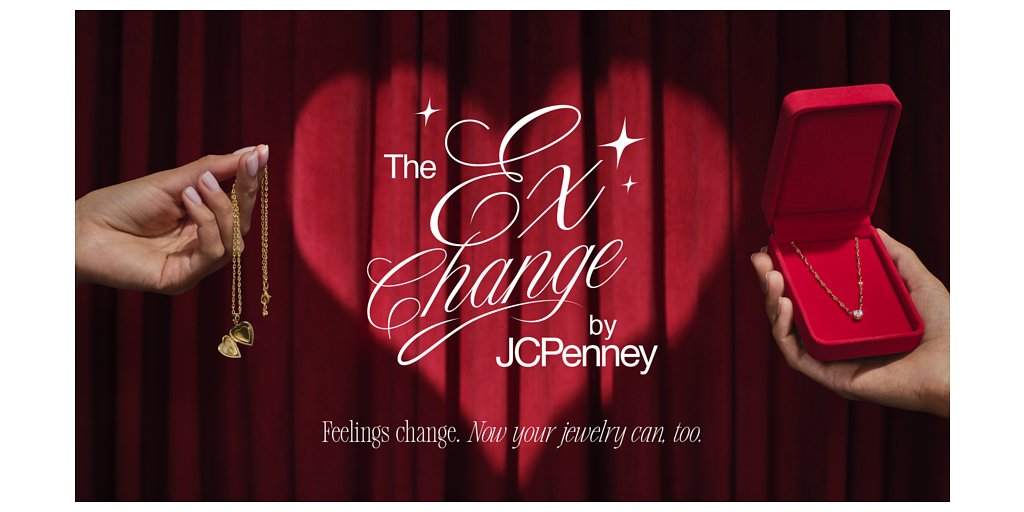
JCPenney's Valentine's Gambit: Trade Old Love for New Diamonds
PLANO, TX – January 26, 2026 – This Valentine's Day, JCPenney is betting that the most compelling love story is the one you write for yourself. In a bold marketing move that blends emotional catharsis with retail strategy, the company is launching “The JCPenney Ex-Change,” a one-day event that invites customers to trade in jewelry from their past for a sparkling new beginning.
On Saturday, February 14, the legacy retailer will offer a ½-carat lab-grown diamond necklace to customers who bring in a piece of old, unwanted jewelry. The exchange is straightforward: a one-for-one swap with no extra cost, no purchase necessary, and, as the company emphasizes, “zero questions asked.” The promotion is limited, available to the first 100 customers at its Garden City, NY, flagship store and the first 50 at other select locations nationwide.
This initiative steps directly into what some analysts call the “breakup economy,” a marketplace that acknowledges life’s transitions—endings as well as beginnings. By offering a tangible reward for moving on, JCPenney is reframing Valentine’s Day from a holiday solely for couples into a day of self-empowerment and personal renewal.
“The Ex-Change is about celebrating fresh starts – with a sense of humor and zero judgement,” said Marisa Thalberg, EVP & Chief Customer & Marketing Officer at Catalyst Brands, in a statement. “It's a playful reminder that moving on can feel empowering, joyful and genuinely fun.”
A Strategic Play in the Diamond Game
While the event’s emotional appeal is clear, it represents a shrewd business strategy designed to drive foot traffic and fundamentally reshape consumer perception of JCPenney’s fine jewelry department. The choice of a lab-grown diamond necklace is no accident. The retailer is making a significant push into this burgeoning market, positioning itself as a destination for “bigger sparkle, smarter luxury.”
Lab-grown diamonds (LGDs) have disrupted the traditional jewelry industry. Chemically and optically identical to their mined counterparts, they retail for a fraction of the cost. The global LGD market, valued at nearly $26 billion in 2024, is projected to surge past $74 billion by 2032. This explosive growth is fueled by consumers, particularly Millennials and Gen Z, who are drawn to the stones' affordability and their billing as a more ethical and sustainable alternative to mined diamonds. Market data shows lab-grown stones now account for over half of all engagement ring center stones sold, a dramatic increase from just 12% in 2019. This consumer shift has triggered a price freefall, with some reports showing LGD prices dropping by as much as 90% over the past several years.
JCPenney is capitalizing on this trend, advertising its lab-grown diamonds as 60-85% less expensive than mined equivalents. “The moment our shoppers experience the quality, brilliance and variety of JCPenney’s fine jewelry, the surprise sells itself,” noted Jillian Roig, VP & DMM of Fine Jewelry. The Ex-Change event serves as a powerful, hands-on introduction to this value proposition, putting a lab-grown diamond directly into customers' hands.
The promotional model itself is a disruptor. While competitors like Kay Jewelers and Zales have long-standing trade-in programs, they typically require the new purchase to be at least double the value of the traded item. JCPenney’s no-cost, no-strings-attached swap is a far more aggressive tactic, designed to generate buzz and create an experience that distinguishes it from the competition.
Revitalizing a Retail Giant
The Ex-Change is more than a jewelry promotion; it’s a high-profile symbol of JCPenney’s broader turnaround strategy. After navigating financial turbulence, the retailer, now part of the Catalyst Brands portfolio formed in 2025, has embarked on a more than $1 billion revitalization plan. This investment is aimed at upgrading stores, enhancing its digital presence, and refreshing its brand image.
A central pillar of this effort is the “Yes, JCPenney” marketing campaign, which aims to challenge outdated perceptions and reintroduce the brand to a new generation of shoppers. Early results suggest it's working, with the company reporting increased Google searches, social media engagement, and, crucially, store traffic that is outpacing rivals. The Ex-Change event is a tangible manifestation of this new, confident marketing voice—it’s quirky, modern, and designed to be shared on social media.
While the company has faced revenue declines, reporting a net loss of $177 million for fiscal year 2024, there have been significant bright spots. A profitable second quarter in 2025 and a substantial increase in adjusted EBITDA for the first nine months of the fiscal year suggest that the turnaround efforts are gaining traction. The strategic focus on high-margin categories like beauty, home, and fine jewelry is a key component of this recovery, and the Ex-Change is designed to pour fuel on that fire.
The Second-Chance Sparkle
Adding another layer to the narrative of renewal, JCPenney has partnered with the nonprofit organization Good360 to manage the collected jewelry. Instead of being discarded or melted down, the traded-in pieces will be donated, giving them a second life with people in need. This charitable component taps into the growing consumer demand for corporate social responsibility and a circular economy.
Good360 is a highly-rated charity, holding a top four-star rating from Charity Navigator for its efficiency in distributing donated goods from corporations to a network of over 100,000 nonprofits. The partnership is not new; JCPenney and Good360 have collaborated on disaster relief efforts in the past, underscoring an established and effective relationship. By ensuring the old jewelry is repurposed for good, JCPenney creates a closed-loop story of positive transformation.
This charitable angle neatly complements the sustainable narrative of the lab-grown diamonds themselves. The entire campaign is built on the idea of a “glow-up”—for the customer who gets a new necklace, for the old jewelry that finds a new home, and for the JCPenney brand itself as it polishes its image for a modern era. For those who can't make it to a store, an accompanying “Perfect Ex-Cuse Discount” offers up to 70% off jewelry, ensuring the campaign's reach extends far beyond the limited in-person giveaway.
Topics & Related
Circular Economy
Revenue
Related Company Pulse