
- 1,000 km: Length of the Via Francigena's Italian section
- 4,700 km: Total span of the Romea Strata across seven countries
- 60: Number of high-tech smart signage installations along the routes
Experts view this initiative as a strategic and innovative blend of cultural preservation, sustainable tourism, and economic revitalization, positioning Italy as a leader in the slow tourism sector.
Italy's Ancient Paths: A High-Tech Revival of Historic Pilgrim Routes
ROME, ITALY – May 26, 2026 – For centuries, all roads led to Rome. Now, with a major investment from the European Union and a blend of historical reverence and modern technology, Italy is ensuring its ancient footpaths do once again. A landmark initiative, the “Antichi Cammini d’Italia” (Ancient Walks of Italy), is breathing new life into historic pilgrimage routes, aiming to position the nation as a world leader in walking tourism and offer a sustainable alternative to its often-overcrowded cities.
At the core of this ambitious project is the remarkable convergence of five major European walking itineraries in the Lazio region, the historic gateway to the Eternal City. Among them are three routes certified by the Council of Europe—the Via Francigena, the Via Romea Germanica, and the Romea Strata—which together trace a map of centuries of faith, commerce, and cultural exchange. Backed by Italy's National Recovery and Resilience Plan (PNRR), the project is not merely restoring old trails but reimagining them for the 21st-century traveler, creating a new chapter in the country’s long history of hosting the world.
A European Crossroads in the Heart of Italy
The project spotlights Lazio as the “experiential heart” where diverse European histories meet. It is here that travelers from different corners of the continent find their paths merging as they approach their final destination. The most famous of these is the Via Francigena, an itinerary based on the 990 CE travel diary of Archbishop Sigeric of Canterbury. Certified as a Cultural Route of the Council of Europe since 1994, its Italian section stretches 1,000 kilometers, winding through the volcanic landscapes and tufa-stone villages of Tuscia.
From the north and east, two other major routes join the journey. The Via Romea Germanica, certified in 2020, follows the path of Abbot Albert of Stade from 1236, crossing into Italy from the Brenner Pass. It eventually joins the Francigena at Montefiascone, a town dominated by the historic Rocca dei Papi (Fortress of the Popes). The most recently recognized path, the Romea Strata, which secured its Council of Europe certification in June 2025, reconstructs a vast network of trails from central and eastern Europe. This colossal route spans over 4,700 kilometers across seven countries, underscoring the project's continental scale.
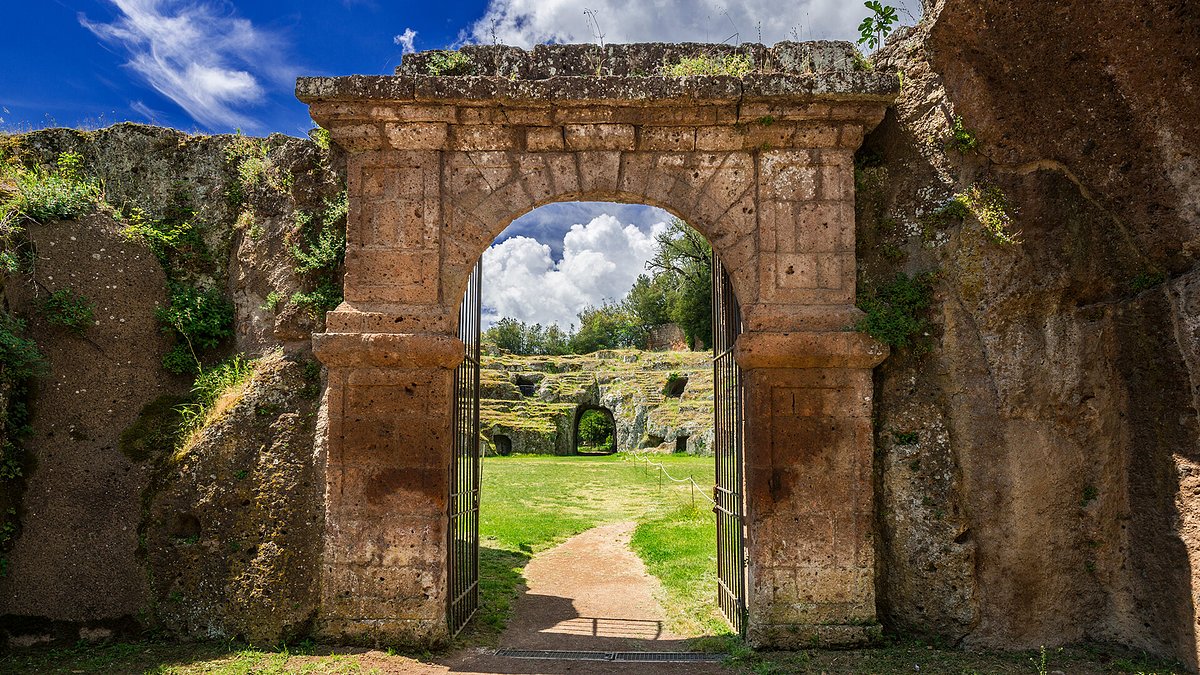
Alongside these three, the project also enhances the Way of Saint Francis and the Way of Saint Benedict, creating a dense network of spiritual and cultural discovery. This convergence transforms Lazio into a unique nexus of European heritage, where pilgrims and modern hikers alike can traverse landscapes dotted with Romanesque basilicas, Etruscan necropolises, and papal fortresses, from the shores of Lake Bolsena to the ancient Roman amphitheater of Sutri carved directly into the rock.
Beyond Monuments: The Economic Bet on Slow Tourism
The “Antichi Cammini d’Italia” is more than a cultural preservation project; it is a strategic economic maneuver. Fueled by the EU’s Next Generation recovery funds, the initiative represents a significant national investment in the burgeoning “slow tourism” sector. The goal is to ease the immense pressure on Italy’s primary tourist hubs like Rome, Florence, and Venice by dispersing visitors into lesser-known, but equally rich, rural areas.
By promoting these extensive walking routes, the Italian Ministry of Tourism and the national tourist board, ENIT S.p.A., aim to extend the tourist season beyond the summer months and stimulate local economies along the paths. For the towns and villages in regions like Tuscia, the Holy Valley of Rieti, and the Aniene Valley, this influx represents a vital opportunity for sustainable development. The project is expected to create jobs and support small businesses, from family-run guesthouses and restaurants serving local cuisine to artisans and tour guides.
This strategy aligns perfectly with a post-pandemic shift in traveler preferences toward authentic, sustainable, and health-conscious experiences. The project leverages Italy's widespread heritage that, until now, has not been fully integrated into mainstream tourism. By making these routes more accessible and attractive, Italy is cultivating a new tourism model that values regional identity, community engagement, and environmental stewardship over sheer visitor numbers.
The Path Forward: Innovation and Identity on Ancient Roads
What sets the “Antichi Cammini d’Italia” apart is its forward-thinking integration of technology. A key feature is an integrated smart signage system deployed across all five itineraries. Sixty high-tech installations provide free Wi-Fi and utilize Bluetooth Low Energy beacon technology. As travelers approach, they receive push notifications via the national Italia.it app, delivering geolocated maps, information on the next stage, and multimedia content about nearby points of interest. This digital layer provides modern support without detracting from the natural and historical setting.
This blend of tradition and innovation is perhaps best exemplified by the recent evolution of the Romea Strata. Since 2024, its final stretch into Rome has been completely redefined. Thanks to meticulous remapping carried out by a dedicated network of volunteers, the path no longer merges with the Via Francigena but follows its own distinct route. This effort has not only given the Romea Strata its own unique identity but also demonstrates the project's commitment to community involvement and the authentic crafting of the traveler's experience.
To further engage the public, the project has also launched a series of free bus itineraries that explore the Lazio sections of the routes. These curated tours offer a taste of the pilgrim’s journey—complete with storytelling and local food tastings—making the spirit of the walks accessible to those unable to undertake the full trek. It’s a holistic approach designed to build a broader appreciation for this unique form of travel.
Italy's Bid for the Pilgrim's Crown
With this comprehensive and well-funded initiative, Italy is making a direct bid to rival the world’s most famous pilgrimage route, the Camino de Santiago in Spain. While the Camino has long dominated the landscape of long-distance walking with its well-established infrastructure and global brand recognition, Italy’s ancient paths offer a powerful and distinct alternative.
The unique selling proposition is undeniable: the historic and spiritual magnetism of Rome as the final destination for multiple ancient routes. This convergence in Lazio creates a concentration of history, art, and nature that is uniquely Italian. The project’s emphasis on technological innovation, managed by communication experts like Pomilio Blumm’s R&D branch, BLUMM KNOWHOW S.R.L., provides a modern user experience that could appeal to a new generation of walkers.
By leveraging the prestige of Council of Europe certifications and the power of EU funding, Italy is not just restoring footpaths but building a world-class tourism ecosystem around them. The journey is just beginning, but the path ahead looks set to lead countless new visitors to discover a side of Italy they never knew existed, one step at a time.