
- 1 million+ attendees: The Zero Waste Festival drew over a million people, demonstrating massive public support for sustainability.
- 120 ministers from 183 countries: The Zero Waste Forum gathered high-level diplomats, signaling global consensus on zero waste policies.
- 850 megawatt-hours of renewable energy: The festival was entirely powered by certified renewable energy, setting a new standard for sustainable events.
Experts would likely conclude that Istanbul's dual initiative successfully mainstreamed zero waste as a critical climate strategy, merging high-level diplomacy with public demand to accelerate global policy and market shifts.
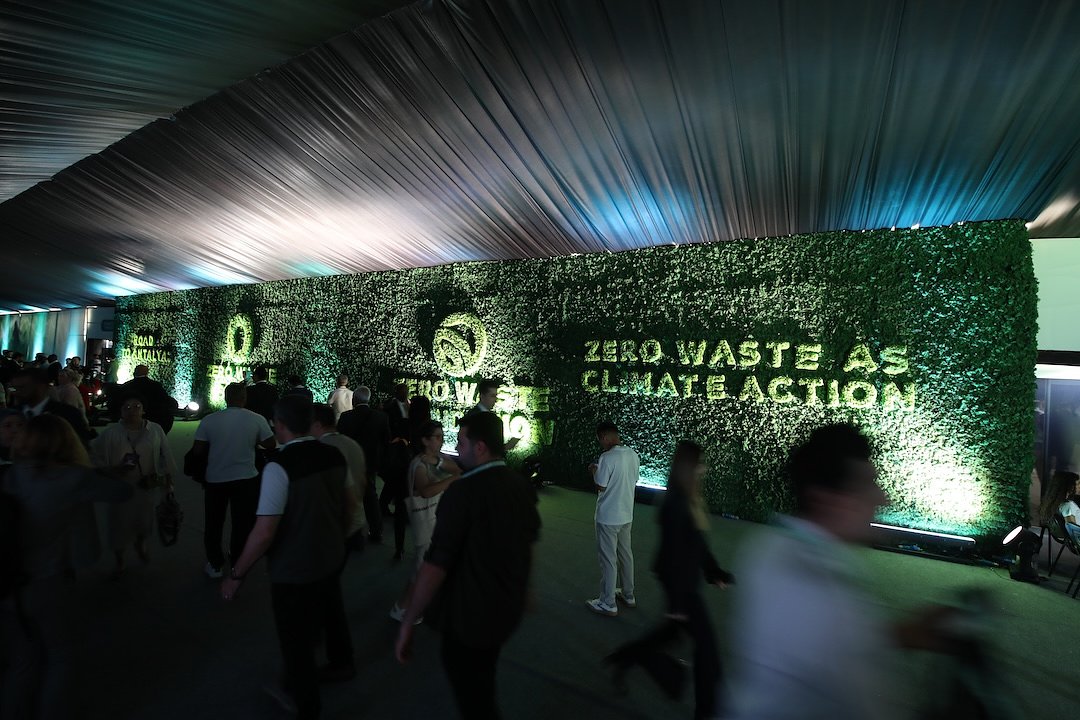
Istanbul's Gambit: How a Festival Redefined the Global Climate Playbook
ISTANBUL, Turkey – June 19, 2026
While high-level climate diplomacy often unfolds behind closed doors, this month Istanbul offered a radically different model. In a meticulously orchestrated two-pronged initiative, the city hosted both the Zero Waste Forum 2026, a dense gathering of global policymakers, and the Zero Waste Festival, a sprawling public event that drew over a million people. The combined effort did more than just prepare for the upcoming COP31 climate conference in Antalya; it signaled a fundamental and potentially disruptive shift in global climate strategy, moving the concept of 'zero waste' from the fringe of environmental activism to the center of international policy and economic planning.
For business leaders accustomed to viewing waste as a simple cost of disposal, the events in Istanbul serve as a critical intelligence briefing. The message is that waste is being redefined as a primary strategic liability and a massive source of untapped value. The convergence of high-level diplomatic consensus with overwhelming public demand creates a powerful force that will reshape markets, supply chains, and regulatory landscapes far sooner than many anticipate.
The Diplomatic Dress Rehearsal
The Zero Waste Forum, described by its organizers as a “high-level rehearsal for Antalya,” was a diplomatic undertaking of immense scale. Gathering more than 120 ministers from 183 countries, alongside hundreds of mayors and thousands of delegates, the event was designed to build consensus and operational readiness long before the official COP31 negotiations begin. This is a new form of climate diplomacy: less about last-minute haggling and more about pre-negotiated alignment and implementation capacity.
The strategic importance of this approach cannot be overstated. The forum was organized by the Zero Waste Foundation, whose president, Samed Ağırbaş, also holds the powerful position of COP31 High-Level Climate Champion. This dual role ensures an unprecedented level of integration between the non-governmental movement and the official COP machinery, effectively fast-tracking the zero waste agenda. As Mr. Ağırbaş stated, the goal is to connect “high-level ambition with practical action, from governments and cities to citizens and communities.”
The tangible outputs from the forum, including the 'Road to Antalya Declaration' and a 'City Action Commitments Package', are not just aspirational documents. They represent a shared blueprint for policy that will be socialized and refined in the months ahead. For corporations, these documents are an early look at future compliance standards and urban infrastructure priorities. The involvement of partners like the World Bank and World Economic Forum signals that financial and institutional muscle is already aligning behind this agenda.
The Million-Person Mandate
If the forum was the strategic brain, the concurrent Zero Waste Festival was the beating heart of the Istanbul initiative. Drawing over one million visitors to Atatürk Airport, the festival transformed an abstract policy concept into a vibrant, tangible public experience. Through workshops, interactive exhibitions, and cultural events, it demonstrated that sustainable living is not about sacrifice but about innovation and community.
From a business perspective, the festival's success is a powerful piece of market intelligence. It provides undeniable proof of mainstream consumer appetite for sustainability. This massive public turnout gives political leaders a clear mandate to pursue more aggressive environmental policies. For consumer-facing brands, it highlights a profound shift in public sentiment where a company's stance on waste and circularity is becoming a core component of its brand identity and social license to operate.
Critically, the festival practiced what it preached. It was powered entirely by 850 megawatt-hours of certified renewable energy, making it a landmark example of sustainable event management in its own right. This serves as a potent case study for the events, hospitality, and logistics industries, demonstrating that large-scale operations can and must be decarbonized. The public has now seen what is possible, and the bar for corporate environmental responsibility has been raised.
A Systemic Shift: Waste as an Economic Lever
The most significant business implication emerging from Istanbul is the successful reframing of the entire waste issue. The movement's leaders have deliberately shifted the conversation from 'waste management'—an end-of-pipe problem focused on disposal—to a systemic, preventative strategy at the core of climate action. “Zero waste is a practical climate action agenda focused on prevention, systems change and implementation capacity,” Mr. Ağırbaş emphasized.
This new paradigm is most evident in the forum's thematic focus on food waste and methane. The release of a 'Food Waste and Methane Action Guide' is a direct signal to the agriculture, food processing, retail, and hospitality sectors. Methane from organic waste is a potent greenhouse gas, and its reduction is now a strategic climate priority. This creates immediate business risks for companies with inefficient supply chains and significant opportunities for those providing solutions in logistics, biotech, and resource recovery.
This systemic view positions zero waste as a pillar of the circular economy. It's about designing products to be repaired, reused, or remanufactured; it's about re-evaluating supply chains to eliminate inefficiency; and it's about creating new business models that decouple revenue from material consumption. The forum's creation of a 'Partnership and Project Pipeline' indicates that this is moving beyond theory and into the realm of investable projects. Leaders who fail to see waste as a metric of inefficiency in their own operations will be left behind.
The Antalya Blueprint Is Already Written
The road to COP31 in Antalya is now clearly paved. The events in Istanbul have effectively set the thematic agenda, built a powerful coalition of state and non-state actors, and demonstrated massive public support. The traditional wait-and-see approach to a COP summit is no longer a viable strategy for any forward-looking organization. The core principles have been established, and the work of implementation is already underway.
As the COP31 High-Level Climate Champion, Mr. Ağırbaş is tasked with mobilizing businesses, investors, and cities. His clear focus on zero waste, resource efficiency, and methane reduction provides a clear roadmap for corporate climate action. The time for leaders to engage with this agenda is not after the final gavel falls in Antalya, but now. The Istanbul summit was not just a rehearsal; it was the opening act of a new economic play, and the script is already in circulation.