
- $400M+ contract: Intellisense Systems awarded a deal exceeding $400 million to modernize USAF C-17 cockpits.
- 15-inch MFDs: New high-resolution multifunction displays for the C-17 fleet.
- 2075 service life: Modernization ensures C-17 operational viability until at least 2075.
Experts agree that this modernization is critical to maintaining the C-17's operational readiness and extending its service life, ensuring it remains a cornerstone of global military and humanitarian logistics.
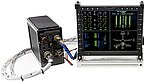
Intellisense Lands $400M+ Deal to Modernize USAF C-17 Cockpits
TORRANCE, CA – May 22, 2026 – Intellisense Systems, a Torrance-based provider of advanced avionics, has secured a landmark contract from The Boeing Company with a lifetime value exceeding $400 million. The award positions the company to play a pivotal role in the U.S. Air Force’s C-17 Globemaster III Flight Deck Replacement (FDR) program, a critical initiative to modernize the cockpit of the nation's strategic airlift workhorse.
Under the agreement, Intellisense will supply state-of-the-art Data Concentrator Units (DCU) and Multifunction Displays (MFD) for the entire global C-17 fleet. This technology refresh is designed to combat pressing obsolescence issues that threaten the long-term readiness of the aircraft, ensuring the Globemaster III can continue its mission as the backbone of global military and humanitarian logistics for decades to come.
Modernizing an Irreplaceable Workhorse
Since entering service in the 1990s, the C-17 Globemaster III has become an indispensable asset for the U.S. Air Force. Known for its immense flexibility, the aircraft can deliver everything from an M1 Abrams main battle tank to 102 paratroopers directly to austere, forward-operating bases. Its operational history is marked by critical missions, including the dramatic evacuation of over 800 people from Afghanistan in a single flight and the recent delivery of humanitarian aid to Gaza.
However, the fleet's long service life has created a significant challenge: technological obsolescence. Key avionics components in the C-17’s cockpit were projected to run out of spare parts by 2027, a looming deadline that could have led to the grounding of otherwise functional aircraft. The fast-paced evolution of electronics means that components designed decades ago are no longer manufactured, creating sustainment nightmares and driving up costs for the Department of Defense.
The FDR program directly confronts this issue. By replacing aging flight deck systems, the Air Force aims to ensure the C-17 remains not only operational but also capable and compliant with modern aviation standards. With plans to keep the Globemaster III flying until at least 2075, this modernization is not merely a stopgap but a foundational investment in the aircraft's future viability until the next generation of airlift platforms comes online in the 2040s.
A Technological Leap for the Flight Deck
The hardware supplied by Intellisense represents a significant technological upgrade for C-17 pilots. The new 15-inch Multifunction Displays are described as the highest-resolution screens currently available for military applications. These advanced displays will serve as the primary pilot-vehicle interface, integrating both tactile bezel buttons and modern touch-screen technology to manage the vast amounts of data required in a contemporary mission environment.
Feeding these displays is the new Data Concentrator Unit. This powerful computer acts as the central nervous system of the new cockpit, featuring a high-performance multi-core processor that bridges the gap between the aircraft’s legacy mission computer and the new high-definition displays. It processes and routes critical flight data, sensor information, and video feeds, presenting it to the crew in an intuitive and actionable format.
This combination of advanced data processing and next-generation displays will enhance situational awareness, reduce pilot workload, and improve overall mission effectiveness. By moving from outdated systems to a modern “glass cockpit” architecture, the upgrade will transform the crew's ability to manage complex scenarios in challenging operational theaters.
The Power of an Open Systems Approach
A crucial aspect of the new hardware is its adherence to the Department of Defense's Modular Open Systems Approach (MOSA). This strategy mandates the use of common, open standards and a modular design, effectively breaking the cycle of vendor lock-in that has historically plagued military acquisitions. By building the system with well-defined, non-proprietary interfaces, the Air Force can compete future upgrades and component replacements among a wider array of suppliers.
For an aircraft like the C-17 with a planned multi-decade service life extension, MOSA is a game-changer. It allows for rapid and cost-effective technology insertion, enabling the Air Force to seamlessly integrate new capabilities as they emerge without requiring a complete system redesign. This approach not only drives down long-term sustainment costs but also ensures the aircraft can adapt to evolving threats and mission requirements, a key principle of modern defense strategy.
A Major Win for an SBIR Success Story
The selection by Boeing, the C-17's prime contractor, is a monumental achievement for Intellisense Systems, an employee-owned company that has steadily built a reputation for excellence in avionics and obsolescence management. The award validates the company's long-term investment in cutting-edge technology and highlights the success of government programs designed to foster innovation within smaller businesses.
"The Intellisense team is proud to collaborate with Boeing on this essential upgrade for the U.S. Air Force," said Dr. Robert Waldo, CEO of Intellisense Systems, in a statement. "This selection is a testament to our continued investment in advanced avionics and the success of innovations fostered through the Small Business Innovation Research (SBIR) Program."
The SBIR program provides federal funding for research and development at small businesses, allowing companies like Intellisense to mature promising technologies to a point where they can be integrated into major defense programs. This contract serves as a prime example of the program's intended impact, transitioning an innovative solution from a smaller enterprise into a critical fleet-wide modernization effort.
This award builds on Intellisense’s proven track record, which includes contracts to provide modernized displays for the massive C-5M Super Galaxy and video terminals for the MC-130J special operations aircraft. The C-17 program solidifies its position as a premier supplier in the competitive military avionics market, demonstrating its capability to deliver flight-critical hardware that meets the rigorous demands of the U.S. military. This collaboration ensures that the Globemaster III, a symbol of American airpower and humanitarian reach, will continue to answer the call for decades to come.