
- 73% of Korean travelers express strong interest in sustainable travel options
- 17,000 islands in Indonesia being promoted beyond Bali
- Focus on high-value travelers to boost tourism revenue and mitigate environmental pressures
Experts would likely conclude that Indonesia's 'Go Beyond Ordinary' campaign represents a strategic and necessary shift toward sustainable, high-value tourism, positioning the country as a top-tier destination for discerning Korean travelers.
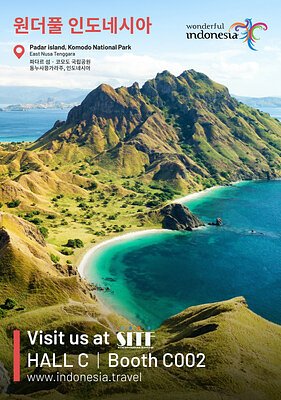
Indonesia Unveils 'Go Beyond Ordinary' Push in South Korea
SEOUL, South Korea – June 01, 2026 – Indonesia is making a significant play for the high-value South Korean tourism market with the launch of its "Go Beyond Ordinary" campaign at the 41st Seoul International Travel Fair (SITF) 2026. The initiative, showcased under the nation's "Wonderful Indonesia" brand, marks a strategic pivot away from mass tourism, aiming to reposition the archipelago as a premier destination for immersive, sustainable, and unique travel experiences.
Hosted at Seoul's COEX Convention & Exhibition Center, the Indonesian Pavilion serves as the campaign's frontline, moving beyond the singular allure of Bali to present a rich tapestry of culture, nature, and luxury from across the nation's 17,000 islands. The move signals a concerted effort by the Indonesian Ministry of Tourism to diversify its offerings and attract a more discerning traveler.
A Strategic Pivot Beyond Bali
The "Go Beyond Ordinary" campaign is more than a marketing slogan; it represents a fundamental shift in Indonesia's national tourism strategy. Embedded within the government's broader "Elevating Tourism Quality" initiative, the campaign prioritizes experience and sustainability over sheer volume. The goal is to drive growth that not only boosts visitor numbers but also generates a lasting positive impact on local communities and the environment, aligning with global Environmental, Social, and Governance (ESG) principles.
This marks a conscious effort to attract high-value travelers—those who spend more, stay longer, and seek deeper engagement with the destination. By focusing on this demographic, Indonesia aims to increase its tourism revenue while mitigating the environmental pressures often associated with mass tourism hotspots. The business-to-business meetings and networking sessions scheduled throughout SITF are a cornerstone of this strategy, designed to forge robust partnerships between Indonesian tourism operators and Korean travel agencies to create and sell these new, high-quality travel packages.
Tapping into the Modern Korean Traveler
The campaign is strategically tailored to the evolving preferences of the South Korean outbound market. Recent trends show Korean travelers increasingly prioritize health, wellness, and relaxation, with a significant 73% expressing a strong interest in sustainable travel options. They are seeking convenience, value, and, most importantly, authentic and immersive experiences that go beyond the typical sightseeing tour.
Indonesia's new focus on gastronomy, marine tourism, and wellness directly addresses these demands. However, the country faces stiff competition. Destinations like Japan, Vietnam, and Thailand have historically been top choices for Korean tourists due to proximity, cultural appeal, and established infrastructure. The "Go Beyond Ordinary" campaign is Indonesia's answer, a compelling proposition designed to differentiate it from its neighbors. By showcasing its unique cultural heritage, unparalleled biodiversity, and commitment to sustainability, Indonesia is working to elevate its standing from a mid-range Southeast Asian option to a top-tier destination for discerning Koreans.
Curating the Experience: From Marine Wonders to Culinary Diplomacy
The Indonesian delegation at SITF 2026 provides a tangible glimpse into the "Go Beyond Ordinary" experience. The eight participating tourism industry representatives highlight the diversity of the new offerings.
Marine tourism, a key pillar of the campaign, is championed by representatives from North Sulawesi. The Grand Luley Hotel in Manado promotes the region as a world-class diving destination, offering easy access to the pristine coral reefs of Bunaken Island. This aligns with the national goal of leveraging Indonesia's status as the world's largest archipelago to grow its marine economy, with plans to develop new marinas and boating infrastructure.
For travelers seeking cultural depth and luxury, Tugu Hotel and Restaurant presents a compelling option. Known for its museum-like properties that celebrate Indonesian heritage and art, Tugu offers an immersive journey into the country's soul. This focus on heritage and premium accommodation is designed to attract culturally curious travelers willing to invest in a unique and enriching stay.
Culinary diplomacy is another potent tool in Indonesia's arsenal. The presence of Ismaya Group, a leading lifestyle company known for its modern Indonesian dining concepts like Semaja, signals a push to showcase the nation's rich gastronomic landscape. This is complemented by Indonesian baristas serving authentic, single-origin coffee from the country's famed producing regions, offering visitors a literal taste of Indonesia's diverse terroir. Meanwhile, operators like Nara Shin Jaya in Lombok and White Tiger Bali are promoting customized travel packages, and resorts such as Batam View Beach Resort and Menjaga Bay Resort in Flores are highlighting eco-tourism experiences in tropical paradises.
Building a Sustainable Future for Tourism
Indonesia's ambitious campaign is underpinned by a robust national commitment to sustainable development. The government has implemented comprehensive policies, such as the National Tourism Development Master Plan (RIPPARNAS), which adopts the globally recognized Global Sustainable Tourism Council (GSTC) standards. This framework guides the development of tourism by mandating sustainable management practices, ensuring local economic benefits, preserving cultural heritage, and protecting the environment.
This long-term vision involves developing environmentally friendly infrastructure and promoting movements to raise public awareness about sanitation and conservation at tourist destinations. By championing sustainability as a core principle, Indonesia is not just chasing a trend but making a long-term investment in the resilience and competitiveness of its tourism industry. This holistic approach aims to ensure that the beauty and diversity that make Indonesia so wonderful can be enjoyed by generations of travelers to come.