
- 39 days of life gained: Average user gains an extra 39 days of life in their first year of use.
- 5 LEDs and 4 photodiodes: Advanced sensor array tracks HRV, SpO2, skin temperature, and sleep stages.
- One-time purchase: Device offered for a single payment with lifetime access to core app features.
Experts view the Hume Band as a promising but controversial innovation in longevity tech, with potential benefits in proactive health management tempered by concerns over data accuracy, reliability, and ethical implications of biological age tracking.
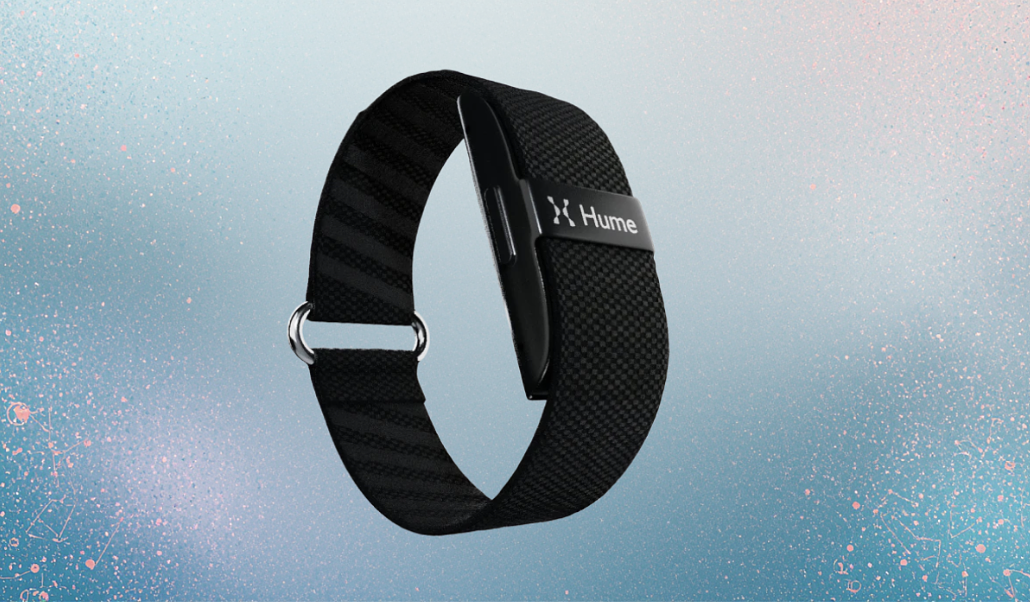
Hume Band: The Wearable Promising a Longer Life, For a Price
Wilmington, DE – February 19, 2026 – In a health technology market saturated with step counters and calorie estimators, a new device is making bold claims that go far beyond daily fitness. The Hume Band, launched by Delaware-based Hume Health, has entered the 2026 consumer landscape with a singular focus: not just tracking your life, but extending it. Armed with a proprietary "Metabolic Momentum Protocol," the wearable promises to give users an unprecedented window into their biological age and the very trajectory of their healthspan, moving the conversation from mere activity to active aging.
The device has captured the attention of biohackers, athletes, and a public increasingly focused on proactive wellness. By translating complex biomarkers like Heart Rate Variability (HRV) into simple, dynamic scores, the Hume Band claims to tell you whether your daily habits are making you biologically younger or older. It’s a compelling proposition, but one that exists in a complex reality of technological limitations, market skepticism, and profound ethical questions.
A New Philosophy for Your Wrist
At its core, the Hume Band operates on a different philosophy than its predecessors. Where many wearables focus on static daily goals—like hitting 10,000 steps—the Hume Band is built around the concept of momentum. Its flagship metric, "Metabolic Momentum," provides a real-time score indicating the direction of a user's health. A positive score suggests recent habits like good sleep and balanced stress are promoting cellular repair, while a negative score serves as a warning that one's lifestyle may be accelerating the aging process.
This is complemented by "Metabolic Capacity," a metric designed to quantify the body's resilience or physiological "battery," and a dynamic biological age estimate. The company reports that the average user gains an extra 39 days of life in their first year, a powerful marketing claim rooted in the idea that data-driven habit changes can yield tangible longevity benefits. The system is powered by an advanced sensor array with 5 LEDs and 4 photodiodes that continuously track HRV, blood oxygen (SpO2), skin temperature, and sleep stages. This firehose of data is then interpreted by the Hume Health AI, which synthesizes it into the user-facing scores. This approach aligns with a growing body of scientific research that positions HRV as a key indicator of physiological resilience and longevity.
Challenging the Subscription Status Quo
Perhaps the Hume Band's most disruptive feature is not its technology, but its business model. In an era defined by "subscription fatigue," Hume Health has made the strategic decision to offer its device for a one-time purchase, with lifetime access to the core features of its app. This stands in stark contrast to major competitors like Whoop and Oura, which often lock users' detailed data behind a recurring monthly paywall.
This consumer-first approach has resonated deeply in a market wary of endless monthly fees. By unbundling the hardware from a mandatory service fee, Hume Health is betting that consumers are willing to pay a premium for a quality device and ownership of their own data. While an optional "Hume Premium" tier for AI-driven coaching exists for a monthly fee, the ability to access foundational metrics like Metabolic Momentum without an ongoing financial commitment is a significant differentiator. This strategy has not only generated goodwill but has also sent a clear signal to the industry that the subscription-based paradigm for health data is not invincible.
The Digital Verdict: Empowerment Meets Skepticism
As with any modern tech product, the true story of the Hume Band is being written in the digital town square of forums like Reddit and in the comments of YouTube reviews. Early adopters have fostered a vibrant community, sharing screenshots of their improving Metabolic Momentum scores and celebrating drops in their estimated biological age. For many, the device has been empowering, providing a direct feedback loop between their actions and their long-term health metrics. One user described it as a tool that helps them "train smarter, not just harder," by prioritizing recovery.
However, this enthusiasm is tempered by a growing chorus of criticism. Numerous independent user reviews raise significant concerns about the device's consistency and reliability. Reports of inaccurate sleep tracking, with the device logging large gaps in data or failing to record sleep at all, are common. Others have noted its failure to accurately capture high-intensity workouts and discrepancies between different data points within the app. While the company advertises a battery life of up to five days, some users report it lasting only half that time. Compounding these issues are widespread complaints about the company's customer support, with many describing the service as slow and unresponsive when dealing with product issues or returns.
More troubling are allegations circulating in online communities that the Hume Band is a rebranded and marked-up version of a generic device available from Chinese manufacturers. These claims, if true, would seriously undermine the company's narrative of cutting-edge, proprietary innovation and call its premium pricing into question.
The Data Dilemma and the Ethics of Aging
Beyond technical performance, the rise of devices like the Hume Band sparks a crucial debate about the intersection of consumer technology, health data, and ethics. The company is transparent that its product is a wellness device, not a medical one, and is not intended to diagnose or treat disease. This distinction is critical, as it places the device outside the stringent regulatory framework of the FDA. However, as wearables provide increasingly sophisticated health insights, the line between wellness and medical guidance can become blurry for the average consumer.
The very concept of providing a "biological age" score, while motivating for some, carries psychological risks. For others, it can become a source of anxiety and obsession, gamifying the aging process in a potentially unhealthy way. Furthermore, the proprietary AI algorithms that generate these scores operate as a "black box." Without independent, third-party validation of these specific models, users are asked to place significant trust in the company's undisclosed methods for interpreting their most personal data.
This trust is further complicated by a complex and evolving data privacy landscape. Health data collected by consumer wearables is typically not protected by HIPAA, the U.S. law governing medical privacy. While new state-level regulations like Washington's My Health My Data Act are emerging to fill this gap, consumers remain largely unprotected. The vast trove of sensitive information collected by the Hume Band underscores the urgent need for greater transparency and stronger privacy protections, ensuring that the quest for a longer, healthier life does not come at the cost of personal data security.