
- 15%+ CAGR: The global adventure tourism market is projected to grow at a compound annual rate of over 15%.
- $7,200 avg. trip cost: Adventure Life's average trip cost per person is around $7,200, focusing on high-value itineraries.
- 100,000 travelers served: The company has served nearly 100,000 travelers since its inception in 1999.
Experts agree that the travel industry is experiencing a shift toward human expertise over automated systems, particularly for complex, high-stakes trips, as travelers increasingly value personalized, well-supported experiences.
Human Touch: Why Travelers Ditch Algorithms for Expert Trip Planners
MISSOULA, Mont. – March 27, 2026 – In an age dominated by one-click bookings and automated itineraries, a counter-trend is gaining powerful momentum: the return to human expertise. Missoula-based custom travel company Adventure Life is riding this wave, announcing a significant expansion of its global portfolio in response to what it calls a growing demand for deeply personalized, expert-led journeys.
The 27-year-old company, which specializes in tailor-made adventure travel and small-ship expedition cruises, is adding new programs in destinations from Japan to Jordan and is setting its sights on Australia for a major land-tour expansion in 2026. This move highlights a broader shift in the travel industry, where an increasing number of consumers are trading the perceived convenience of algorithms for the nuanced guidance of seasoned professionals, especially when planning complex, high-stakes trips.
The Resurgence of the Travel Advisor
The demand for curated travel is not just anecdotal; it's backed by significant market trends. The global adventure tourism market, valued in the hundreds of billions, is projected to grow at a compound annual rate of over 15% in the coming years. This surge is fueled by travelers who are no longer content with simple sightseeing. Instead, they seek transformative experiences—cultural immersion, personal challenges, and meaningful connections—that are difficult to discover and arrange through a standard online search.
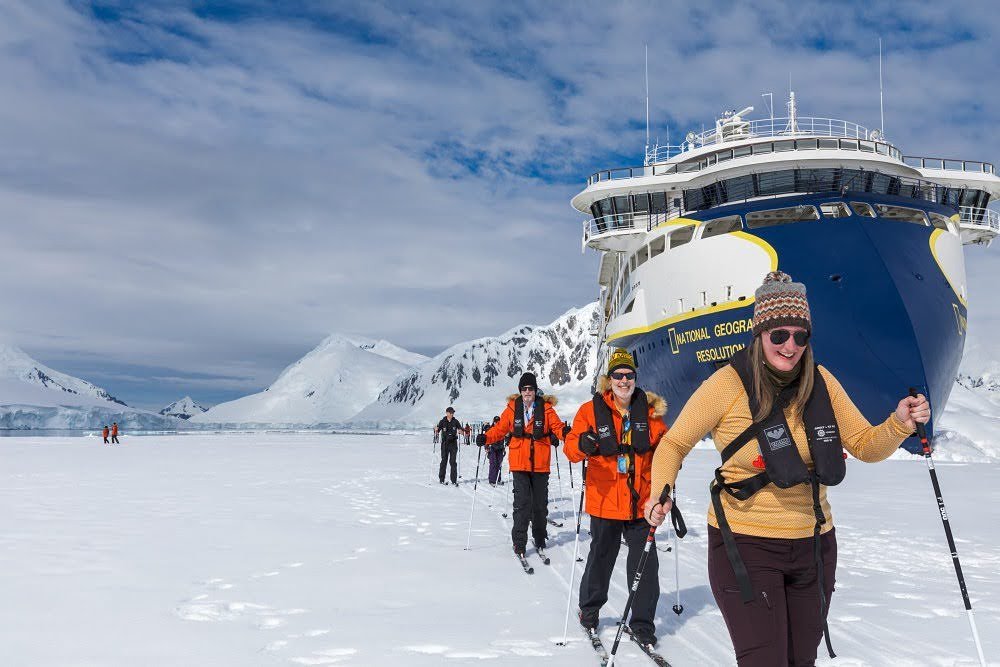
This is where companies like Adventure Life are finding their footing. By positioning themselves as high-touch travel advisors rather than automated platforms, they cater to a clientele that values assurance and expertise. More than 60% of the company's tours involve small-ship cruises to remote destinations like Antarctica, the Galápagos, and the Arctic, often on vessels carrying fewer than 200 passengers. These are intricate, high-cost trips where logistical precision and deep destination knowledge are paramount.
“Our role is to help travelers sort through hundreds of options and match them with the experience that fits them best,” said Monika Sundem, CEO of Adventure Life, in a recent announcement. “We are seeing continued demand for travel that is customized, well supported, and planned by people who know the destination.”
This model stands in stark contrast to the volume-driven approach of large online travel agencies. The average booking at Adventure Life involves just 2.4 travelers, with an average trip cost of around $7,200 per person, indicating a focus on small, private groups and high-value itineraries. The service extends beyond the core trip to include flights, insurance, transfers, and 24/7 support during travel—a safety net that automated systems cannot replicate when unforeseen circumstances arise.
Redefining Adventure: From Polar Ice to Outback Sun
Founded in 1999 with a focus on Peru and the Galapagos, the travel designer has methodically broadened its reach to nearly every major region of the world. Its portfolio now includes everything from Patagonia hiking tours and Costa Rica family adventures to African safaris and Iceland self-drive tours. The recent addition of programs in Japan, Jordan, Madagascar, and the Philippines underscores a strategy of diversifying into culturally rich and less-trafficked destinations.
The planned 2026 expansion into Australia represents a significant and strategic next step. The Australian adventure tourism market is itself on a formidable growth trajectory, with forecasts predicting it will more than double in value to over $130 billion by the early 2030s. The demand drivers there mirror global trends: a desire for authentic, immersive experiences, a rising interest in eco-friendly and sustainable travel, and a growing market for multi-day tours that allow for deeper exploration.
Adventure Life will enter a competitive landscape, with established local and international operators already offering customized tours of the continent. However, the company's model of integrating complex land journeys with its expedition cruise expertise could provide a unique advantage. Many travelers seek to combine, for instance, a cruise to the Great Barrier Reef with an overland journey through the Outback or Tasmania. By offering a single point of contact for such multi-faceted trips, the firm aims to simplify the planning process and ensure a seamless experience.
A Playbook for Niche Growth
While the broader adventure market posts explosive growth figures, Adventure Life reported a more modest 3% revenue growth on its way to $43 million in annual revenue for 2023. This figure, while positive, suggests a deliberate strategy focused on sustainable scaling and service quality rather than rapid, market-share-grabbing expansion. The company, which has served nearly 100,000 travelers since its inception, appears to be betting that long-term loyalty is built on reliability, not just rapid growth.
Central to this strategy is a reliance on human capital. The company claims its trip planners possess over 100 years of collective travel experience and spend an average of 550 days abroad each year researching destinations and vetting partners. This investment in on-the-ground knowledge is a core part of its value proposition, a fact frequently echoed in overwhelmingly positive customer reviews that praise the staff's expertise and meticulous organization.
“We are not the operator on the ground, and we are not trying to be everything ourselves,” Sundem explained. “What we do is design the right trip, coordinate trusted partners, and stay closely involved so travelers have support from start to finish.”
This partnership-based model allows the company to remain agile and offer a vast range of experiences without the immense overhead of owning and operating services in every destination. It acts as a curator and a guarantor, a role that becomes especially critical during disruptions. The ability to work with partners to secure credits, refunds, or rebooking options during unforeseen events is a key service differentiator that builds trust and justifies the premium for a managed travel experience. As the company continues its global expansion, its ability to maintain this high level of personalized service at scale will be its defining challenge and greatest opportunity.