
- 95% of cancer patients in India rely on at least one primary caregiver
- Over 15 lakh new cancer cases reported in India in 2024
- 70% of caregivers experience significant stress
Experts would likely conclude that Apollo Athenaa's Holding Hope handbook is a critical step in addressing the unmet needs of cancer caregivers in India, offering a medically vetted resource that could serve as a model for holistic cancer care.
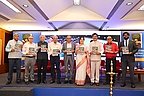
Holding Hope: A New Lifeline for India's Unseen Cancer Caregivers
NEW DELHI, June 16, 2026 – In the narrative of cancer survivorship, the spotlight deservedly shines on the patient's resilience. Yet, in the shadows of this journey stand the silent pillars: the family members and caregivers who undertake a parallel battle. Recognizing this often-overlooked reality, Apollo Athenaa, Asia's first dedicated cancer center for women, has launched Holding Hope: A Handbook for Cancer Caregivers, a pioneering initiative aimed at supporting the unsung heroes of India’s cancer crisis.
The launch, timed to coincide with National Cancer Survivors Month, introduces what is being called India's first dedicated, medically-authored resource for the millions who care for loved ones with cancer. The statistics paint a stark picture of their prevalence and the void of support they face. In India, a staggering 95 percent of cancer patients rely on at least one primary caregiver, with many families deploying a small team to manage the immense burden. Yet, these individuals often navigate a maelstrom of medical complexities, emotional turmoil, and financial strain with little to no formal guidance.
"When we celebrate cancer survivors, it is equally important to acknowledge the caregivers who stand beside them through every treatment cycle, every setback, and every milestone," said Dr. Jyoti Wadhwa, Principal Lead – Medical and Precision Oncology at Apollo Athenaa and the handbook's lead author. "With over 15 lakh new cancer cases reported in India in 2024, the number of families navigating the complexities of cancer care continues to grow. Caregivers are often the silent pillars of strength... yet many feel unprepared."
Holding Hope aims to change that, providing a tangible tool designed to empower, inform, and reassure.
The Hidden Patients
For caregivers, a cancer diagnosis is a life-altering event that reshapes their world overnight. They become schedulers, financial planners, amateur nurses, and emotional anchors, often while juggling their own jobs and families. Research highlights the profound toll this takes. Studies show that over 70% of caregivers in India experience significant stress, while more than 60% report a negative impact on their own physical health. The financial burden is nearly universal, with many families facing catastrophic expenditures that decimate savings.
"You feel like you're building the plane while it's in the air," one caregiver for a parent with lung cancer shared anonymously. "One day you're a daughter, the next you're trying to understand chemotherapy protocols, manage a dozen medications, and figure out how to have a conversation about end-of-life care. You don't have time to think about your own exhaustion."
This sentiment is echoed by Mr. Sudesh, who supported his wife through her cancer journey. "When a loved one is diagnosed with cancer, caregivers often find themselves navigating uncertainty, difficult decisions, and emotional challenges with little guidance," he shared at the launch event. "Its practical advice on managing treatment, understanding medical decisions, supporting emotional well-being, and prioritising self-care will help many caregivers like me feel more informed, prepared, and supported."
Authored by Dr. Wadhwa and her colleague Dr. Hussain Shaik, an Associate Consultant in Medical Oncology, the handbook tackles these challenges head-on. It combines evidence-based medical information with practical strategies, covering everything from managing treatment side effects to navigating difficult conversations and, critically, addressing the imperative of caregiver self-care. "Caregivers play a vital role... often serving as the bridge between patients and healthcare teams," Dr. Shaik noted, emphasizing the book's goal to foster stronger communication while also addressing the often-overlooked well-being of the caregiver themselves.
A New Model for Holistic Care
The launch of Holding Hope is more than a publishing event; it is a clear statement of intent from Apollo Athenaa. As a unit of Apollo Hospitals Enterprise Ltd, the institution has already broken new ground as Asia’s first comprehensive cancer center exclusively for women. This latest initiative expands its definition of care beyond the patient to embrace the entire family unit.
This philosophy of family-centered care is a cornerstone of the center's mission. Recognizing that women are often the cornerstones of families and communities, Apollo Athenaa was designed to provide a safe, specialized space that combines cutting-edge oncology with compassion and dignity. By formally acknowledging and supporting the caregiver, the institution is reinforcing its commitment to a truly holistic model. This approach moves beyond treating the disease to caring for the people affected by it.
The handbook is a logical extension of the center’s comprehensive services, which already include multidisciplinary support like nutrition, physiotherapy, and onco-psychology. Integrating the caregiver into this support ecosystem strengthens the entire network, which can lead to better patient compliance, improved communication with medical teams, and ultimately, better outcomes.
Addressing a National Need
While Holding Hope is a significant step, it arrives amidst a deepening national health crisis. India's cancer burden is growing, and the support infrastructure has struggled to keep pace. While numerous NGOs like Caregiver Saathi and CanSupport do invaluable work providing counseling and support groups, the system remains fragmented and under-resourced, particularly in rural areas.
Apollo Athenaa's initiative provides a scalable, medically vetted model that other institutions could replicate. It addresses a critical gap between the informal care provided by families and the formal medical treatment offered by hospitals. The handbook serves as a bridge, translating complex medical realities into actionable guidance for the layperson thrust into an extraordinary role.
This move also shines a light on policy gaps. Government schemes like Ayushman Bharat have made strides in improving financial access to treatment, but they do not account for the immense indirect costs or the non-financial burdens—the lost wages, the transportation expenses, and the psychological toll—that fall squarely on the family. By centering the caregiver, initiatives like Holding Hope can fuel a broader conversation about what truly comprehensive cancer support should entail at a national level.
As the dialogue around cancer care evolves, the focus is slowly widening from a singular emphasis on the patient to a more inclusive view of the family ecosystem. By placing a trusted resource directly into the hands of those on the front lines, Apollo Athenaa is not just offering hope; it is providing the practical tools needed to sustain it.