
- $39 million: HiLabs secured this amount in a Series B funding round in 2024 to expand its AI-driven healthcare data solutions.
- 75% reduction: MCheck Roster Automation reduces manual effort by up to this percentage, cutting turnaround times from weeks to days.
- $43 billion: Amir Desai previously managed Molina Healthcare's operations, which handled this amount in annual premium revenue.
Experts agree that HiLabs' appointment of Amir Desai is a strategic move to address healthcare's dirty data crisis, leveraging his payer expertise to enhance AI-driven solutions for data accuracy and compliance.
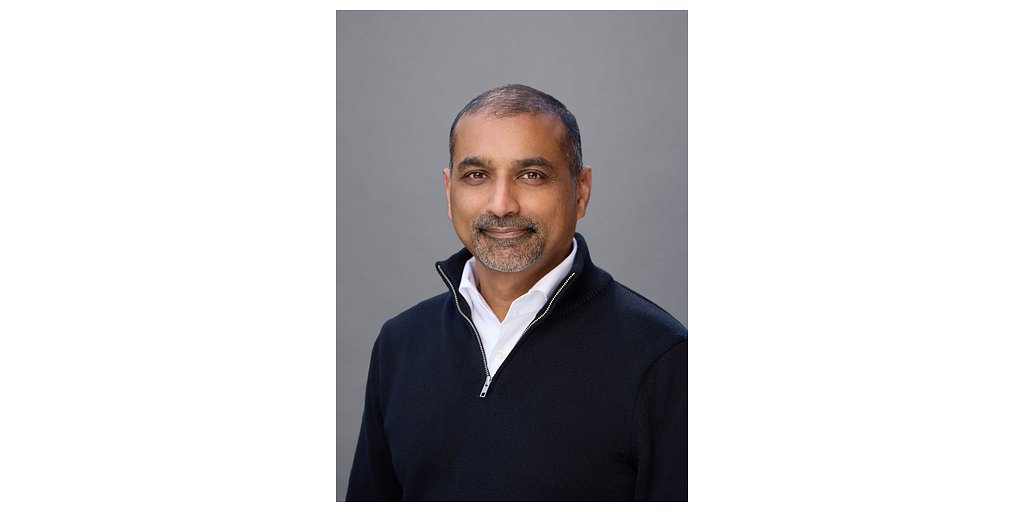
HiLabs Taps Payer Veteran Amir Desai to Tackle Healthcare's Data Crisis
WASHINGTON, D.C. – March 05, 2026 – In a significant move that underscores a growing industry trend, AI-powered healthcare data firm HiLabs has appointed Amir Desai, a seasoned executive from Fortune 500 insurer Molina Healthcare, as its new President and Chief Growth Officer. The appointment signals an aggressive strategy by HiLabs to deepen its expertise in the health plan market and leverage insider knowledge to solve one of healthcare's most persistent and costly problems: dirty data.
Desai’s transition from a top-tier health plan to an agile technology provider is emblematic of a larger shift in the healthcare landscape. As the industry groans under the weight of inaccurate information, regulatory pressure, and operational inefficiency, experienced leaders are increasingly moving to innovative firms that promise technological solutions to these systemic challenges. For HiLabs, which specializes in cleaning and standardizing complex healthcare data, Desai's appointment is a strategic masterstroke, bringing invaluable payer-side perspective directly into its leadership core.
A Strategic Play for Payer Expertise
Amir Desai is not just another executive hire; he represents the voice of the customer HiLabs aims to serve. In his most recent role as EVP, Chief Information Officer & Operations at Molina Healthcare, he was responsible for the very systems and processes HiLabs seeks to revolutionize. He managed a massive organization of over 10,000 associates and was at the helm of Molina's critical technology initiatives, including its transition to a cloud-native environment and the responsible integration of artificial intelligence to drive business value.
His experience is precisely what HiLabs needs to scale its impact. Amit Garg, CEO and co-founder of HiLabs, emphasized this synergy. “Amir has deep experience transforming payer technology organizations and a strong understanding of the operational challenges health plans face,” Garg stated. “His perspective will help us continue to evolve our platform and deliver even greater value to our customers as they navigate growing data complexity and regulatory demands.”
Desai’s track record at Molina, which included driving a cloud-first strategy to enable efficiencies and become an “AI-first enterprise,” provides him with a unique vantage point. He has firsthand knowledge of the immense data volumes, legacy system challenges, and compliance burdens that large payers confront daily. During his tenure, Molina grew to manage over $43 billion in annual premium revenue, giving him insight into the operational complexities of a massive, multi-state health plan.
In his new role, Desai will be instrumental in aligning HiLabs' product development with the real-world needs of health plans. “Health plans are under immense pressure to improve accuracy, efficiency, and member outcomes, and reliable data is foundational to all of it,” Desai commented. “I’m excited to work with the HiLabs team as they expand their platform to address some of the industry’s most complex data challenges.”
The Trillion-Dollar Problem of 'Dirty Data'
The challenge Desai is joining HiLabs to tackle is monumental. The term “dirty data” refers to the vast sea of inaccurate, incomplete, and inconsistent information that plagues the U.S. healthcare system. This problem is particularly acute in provider data—the information about doctors, clinics, and hospitals that health plans present to their members.
Research has consistently shown that provider directories are riddled with errors. Studies have found that a significant percentage of members encounter incorrect information, such as wrong phone numbers, outdated addresses, or physicians incorrectly listed as in-network. CMS audits have historically revealed high error rates in Medicare Advantage directories, leading to member frustration, delays in care, and a fundamental breakdown of trust.
The consequences extend far beyond inconvenience. Inaccurate data fuels operational chaos for health plans, leading to high call center volumes, wrongly denied claims, and surprise medical bills for patients who believed they were seeing an in-network provider. These issues not only damage a health plan's reputation and lower its quality scores but also carry significant financial risk.
The root causes are systemic. Health plans ingest data from thousands of providers who submit information in countless different formats. This data is often entered manually, stored in disconnected silos, and managed by outdated, homegrown systems. Without a standardized, automated way to validate and cleanse this information, errors are inevitable and propagate quickly through the system.
Navigating a Maze of Regulation and Complexity
Federal and state regulators have lost patience with the industry's slow progress on data accuracy. A wave of stringent regulations has transformed clean data from a business advantage into a critical compliance mandate.
The No Surprises Act has been a major catalyst, imposing strict rules on provider directory accuracy. The law requires health plans to verify their provider data every 90 days and update any changes within just two business days. Crucially, if a patient receives a surprise out-of-network bill because they relied on incorrect directory information, the financial responsibility falls on the health plan, creating a powerful incentive for accuracy.
Simultaneously, the CMS Interoperability and Patient Access final rule is pushing the industry towards greater data fluidity. By 2027, payers will be required to exchange a member's complete clinical history electronically when they switch health plans. This mandate is impossible to fulfill without clean, standardized data and robust, API-driven infrastructure.
These regulations are turning up the heat on health plans, forcing them to abandon antiquated manual processes. The sheer volume and velocity of data updates required for compliance are impossible to manage without advanced technology, creating a fertile market for AI-driven solutions like those offered by HiLabs.
AI as the Scalpel: HiLabs' Technological Approach
HiLabs has positioned itself as a key partner for health plans navigating this complex environment. The company's cloud-based MCheck platform is purpose-built to act as a data refinery, using AI to ingest, cleanse, and enrich healthcare information before it causes downstream problems.
Having secured $39 million in a Series B funding round in 2024, the company has been aggressively expanding its product suite to meet market demand:
MCheck Provider Data Accuracy: This solution uses AI to continuously validate provider information, correcting errors and even running automated “secret shopper” simulations to test directory accuracy, helping plans improve their CMS audit scores.
MCheck Roster Automation: Tackling the nightmare of provider rosters, this tool provides touchless, end-to-end processing. It reduces manual effort by up to 75% and slashes turnaround times from weeks to days, a critical capability for meeting the No Surprises Act's 48-hour update window.
MCheck Clinical: This solution automates the ingestion and standardization of complex clinical data from sources like physician notes and lab results. HiLabs claims it can process this unstructured data 100 times faster than human operators, unlocking valuable insights for risk adjustment and care management.
MCheck ContractsAI: Representing the next frontier, this solution leverages Generative AI and Large Language Models (LLMs) to analyze complex provider contracts, automating pricing configurations and identifying standardization opportunities.
By partnering with organizations like CAQH to combine its AI with provider-attested data, HiLabs is creating a multi-pronged approach to data integrity. The recent appointment of Amir Desai is the next logical step in this strategy, embedding deep operational intelligence into the company's DNA. His leadership will be pivotal in ensuring these sophisticated tools are not just technologically impressive, but are also perfectly tuned to solve the most pressing and costly problems faced by the nation's largest health plans.