
- 80 million people globally affected by glaucoma, projected to rise to 111 million by 2040.
Experts would likely conclude that Hexiris's strategic shift to office-based glaucoma surgery has the potential to significantly improve access to care, addressing a critical market inefficiency.
Hexiris Signals the End of the OR's Stranglehold on Glaucoma Care
DIEPPE, New Brunswick – June 08, 2026 – On the surface, Hexiris Ophthalmics’ recent announcement of scientific presentations and a hands-on lab at an upcoming Canadian conference seems like standard pre-commercial activity. But reading between the lines of the press release reveals a far more significant market signal. The New Brunswick-based company is methodically laying the groundwork to dismantle a fundamental bottleneck in healthcare, positioning itself to capture a vast, underserved market by moving interventional glaucoma surgery from the exclusive domain of the hospital operating room (OR) to the accessibility of the physician's office. This is not just an incremental product launch; it’s a strategic play to redefine an entire category of care.
An Epidemic Hiding in Plain Sight
To understand the magnitude of Hexiris’s maneuver, one must first grasp the scale of the problem it aims to solve. Glaucoma, the “silent thief of sight,” affects an estimated 80 million people globally, a number projected to swell to over 111 million by 2040. Yet, the most startling statistic is not the prevalence, but the profound gap in treatment. In developed nations, up to 80% of cases remain undetected or untreated. In the United States, nearly half of the millions with the condition are unaware they have it. In Canada, that figure is a staggering 40% of those with clinically determined glaucoma.
This isn't a failure of medical science; effective surgical interventions have existed for years. It is a failure of infrastructure and access. Glaucoma surgery has been historically shackled to the hospital OR or dedicated ambulatory surgery centers (ASCs), creating a systemic bottleneck that leaves millions of patients without timely care. The high cost, scheduling complexity, and limited availability of these settings have created a chasm between the patients who need intervention and the specialists who can provide it. This is the multi-billion dollar market inefficiency Hexiris is targeting.
The In-Office Revolution: A Blueprint from Cataracts
Hexiris is not gambling on an unproven concept. It is strategically drafting behind one of the most powerful trends in modern medicine: the shift to office-based surgery (OBS). Ophthalmology has already provided the perfect blueprint with cataract surgery. Procedures once confined to hospitals are now routinely and safely performed in-office, slashing total patient costs by 30-50% without compromising safety. The economics are compelling for physicians as well; an OBS suite can be established for a fraction of the cost of a new ASC, offering greater control, efficiency, and profitability.
This isn't a niche movement. Surveys show that two-thirds of ophthalmologists expect to incorporate office-based surgery into their practices within the next five years. The market is not just ready for this shift; it’s demanding it. Glaucoma is the logical next frontier, and Hexiris is arriving with the right tools at precisely the right time.
Hexiris’s Strategic Gambit: Building the Tools for a New Market
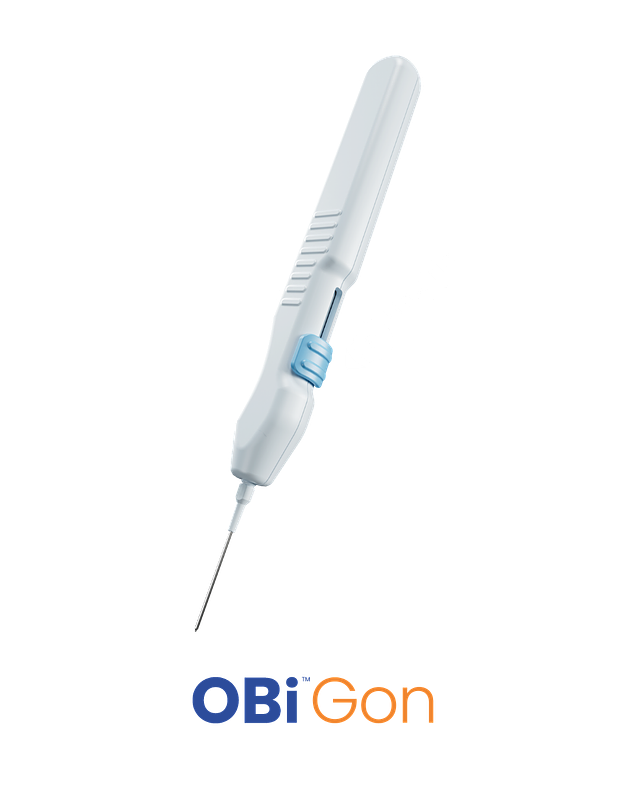
Hexiris’s recent flurry of activity is a masterclass in pre-launch market conditioning. The scientific presentations at major international congresses in early 2026 serve to build clinical credibility. The launch of a full digital presence—website, social channels, and a newsletter—is about building a community and a direct line to their core customer: the surgeon. The upcoming hands-on dry lab for its OBi™ Core and OBi™ Gon devices at the Canadian Ophthalmological Society meeting is the most critical piece. It’s a direct marketing tactic designed to get its technology into the hands of key opinion leaders and early adopters, letting the product’s simplicity and efficacy sell itself.
Critically, the company has already navigated the most significant hurdles. Its flagship device, OBi™ Core, is already Health Canada approved and FDA registered. This is the ultimate signal of market readiness, de-risking the technology for surgeons and investors alike. While other devices in its OBi™ suite remain investigational, establishing this first beachhead is a powerful strategic advantage.
“Expanding access to interventional glaucoma is why Hexiris Ophthalmics exists,” said Dr. Houfar Sekhavat, the company’s co-founder, in a recent statement. “Too many patients who need treatment cannot get it, not because the surgery is unavailable, but because the settings in which it can be performed are out of reach. We are building the tools to change that.”
Redrawing the Glaucoma Battlefield
The market for Minimally Invasive Glaucoma Surgery (MIGS) is already a dynamic and crowded field, with companies like Glaukos and its iStent devices having successfully shifted treatment paradigms over the last decade. However, most of these innovations still operate within the traditional surgical setting. Hexiris is changing the battlefield itself. Its primary competitor is not another MIGS device, but the logistical and economic friction of the operating room.
By creating a suite of devices explicitly designed for the office, Hexiris is not just competing for market share; it is dramatically expanding the market. Every one of the millions of untreated patients represents a potential new opportunity unlocked by the accessibility of in-office procedures. This move forces existing players to reconsider their own strategies. Can they adapt their technologies and training for an office setting, or will they cede this burgeoning new segment to focused innovators like Hexiris?
The company’s path is now clear. With regulatory approval in hand and a targeted surgeon engagement strategy underway, all eyes will be on the commercial launch later this year. The reaction from the surgeon community, and the subsequent adoption curve of these office-based tools, will telegraph the pace at which this new era of glaucoma care will arrive.