
- 295mm balance point: One of the most head-light racquets HEAD has ever produced, enhancing maneuverability. - $259.00 USD price point: Positioned as a premium offering targeting beginner-to-intermediate players. - Dual-tube construction: Combines Torayca™ T800S carbon fiber for power and a foam-filled Comfort Tube for vibration dampening.
Experts would likely conclude that the HEAD SQUARED racquet represents a significant innovation in tennis equipment, effectively addressing the long-standing trade-off between power and comfort through its dual-tube technology, making it a compelling option for players prioritizing ease of play and injury prevention.
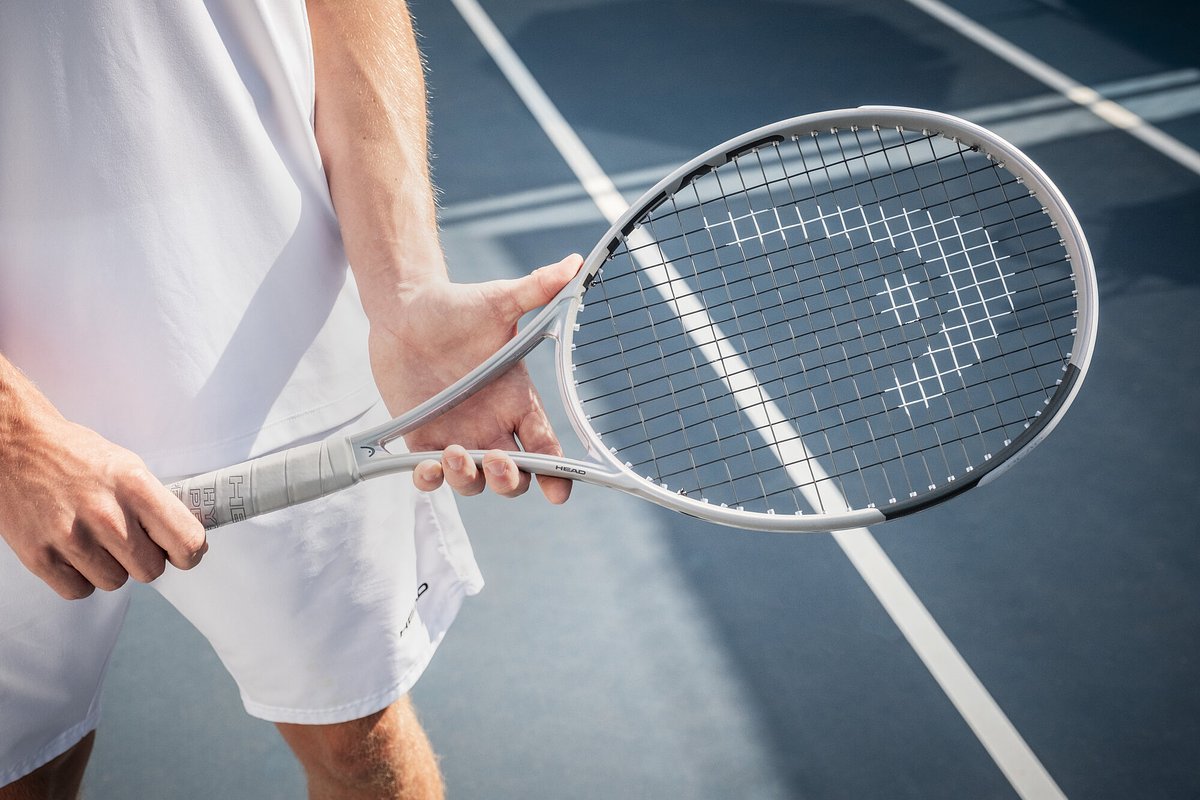
HEAD's SQUARED Racquet Reengineers Power and Player Comfort
KENNELBACH, AUSTRIA – April 09, 2026 – For decades, tennis players have grappled with a fundamental compromise: choosing between a racquet that delivers explosive power and one that offers arm-saving comfort. Today, global sports equipment leader HEAD claims to have definitively solved this dilemma with the launch of SQUARED, a new racquet platform built on a radical dual-tube construction designed to deliver both benefits without trade-offs.
The SQUARED platform represents a significant departure from traditional racquet manufacturing, aiming to create an entirely new category of equipment. By engineering two distinct systems within a single frame, HEAD is betting it can redefine not only how racquets are built, but also how players experience the game.
"SQUARED represents a new category of racquet construction," said Felix Schumann, Director of Product for HEAD USA and Canada, in the official announcement. "By separating power and comfort into two distinct systems within the same frame, we've created a racquet that allows players to swing more freely while reducing the physical impact of each shot. It's designed to support performance over time, not just in a single moment."
A Radical Departure in Racquet Engineering
At the heart of the SQUARED racquet is its innovative dual-tube architecture, a design that is a first for the brand. This isn't an incremental update to an existing model but a ground-up reimagining of frame composition. The technology works by creating a "racquet within a racquet."
The outer tube, forming the primary structure of the frame, is forged from Torayca™ T800S carbon fiber. This high-performance material is renowned for its stiffness and strength, providing the stability and responsiveness necessary for generating power and maintaining control on aggressive shots. This outer shell is the engine of the racquet.
Running independently inside this power-focused chassis is the foam-filled Comfort Tube. This inner component travels from the grip up into the main string bed, acting as a dedicated vibration absorption system. Its specific purpose is to intercept and dissipate the harsh frequencies generated at ball impact before they can travel down the frame and into the player's arm, a common cause of tennis elbow and other repetitive strain injuries.
This separation of duties is what sets the SQUARED apart from other comfort-oriented racquets on the market. For instance, the popular Wilson Clash series utilizes FreeFlex technology, which allows the entire frame to bend in unique dimensions to absorb shock. While effective, it creates a distinct, flexible feel. Early testers note the SQUARED provides a more "direct" and "airy" sensation, isolating vibration at the source rather than through wholesale frame flexion. Compared to other plush racquets like the Yonex MUSE, the SQUARED is described as offering a cleaner, more cushioned feel without feeling overly disconnected from the ball.
Redefining the Player Experience: Comfort and Endurance
Beyond its novel construction, the SQUARED's most immediate and praised characteristic is its exceptional maneuverability. With a balance point of 295mm, it is one of the most head-light racquets HEAD has ever produced. On the court, this translates into what playtesters describe as "lightning-fast" handling and a "weightless" feel, allowing for effortless generation of racquet head speed. For players from beginner to intermediate levels, this means easier access to power and spin without needing flawless, professional-grade mechanics.
This ease of use is directly linked to the company's claim of "reduced muscle activity." While HEAD's internal testing data is not public, the principle is supported by independent sports science. Research into Vibration Damping Technology (VDT) in sports equipment has shown that effectively reducing vibration transfer can delay the onset of muscle fatigue, particularly in the biceps and wrist extensors crucial for the tennis swing. By absorbing shock so effectively, the SQUARED’s Comfort Tube may reduce the need for compensatory muscle tension in the arm, allowing players to stay relaxed and efficient for longer periods.
The practical implication is significant: players can potentially play longer, recover faster, and reduce the risk of chronic arm injuries. This makes the SQUARED an especially compelling option for recreational players, those returning to the sport after a long hiatus, or teaching pros who spend hours on the court each day. The combination of an effortless swing and superior dampening promises to make the physical demands of the game more manageable.
Performance on the Court: Playability and Feel
Independent reviews and early playtests confirm that the SQUARED largely delivers on its promises. The racquet is lauded for its blend of accessible power, high spin potential, and remarkable comfort. The open 16x18 string pattern, combined with the extreme head-light balance, allows players to easily whip the racquet through the contact zone, generating heavy topspin and achieving easy depth on their groundstrokes.
Despite its light static weight and head-light balance—a combination that can often lead to instability against heavy hitters—the SQUARED has been noted for its surprising stability, even on off-center shots. The Torayca™ carbon fiber outer frame provides the necessary torsional rigidity to prevent the racquet from twisting on impact, offering a confident and predictable response.
The feel at impact is consistently described as "muted yet clean" and "exceptionally cushioned." The foam-filled tube filters out harsh vibrations, leaving a plush sensation that connects the player to the ball without any jarring feedback. Some reviewers found the experience was further enhanced when paired with soft multifilament strings, creating one of the most arm-friendly setups available today. Capping off the high-tech package is a premium aesthetic, featuring a holographic gray finish that subtly shifts between magenta and teal hues under different lighting conditions.
Strategic Placement in a Competitive Market
Priced at $259.00 USD, the HEAD SQUARED is positioned as a premium offering, but its target audience is notably broad. It is not an update to one of HEAD's tour-focused lines like Prestige or Radical. Instead, it establishes an entirely new pillar in the company's catalog, aimed squarely at the vast market of beginner-to-intermediate players, club competitors, and anyone prioritizing comfort and ease of play.
This launch is a strategic move that taps directly into a growing consumer trend. As the tennis population ages and awareness of sports-related injuries grows, the demand for arm-friendly, comfortable equipment has skyrocketed. The SQUARED enters this space as a direct competitor to established comfort-focused lines like the Wilson Clash and Yonex EZONE. However, with its unique dual-tube technology and extreme maneuverability, it carves out a distinct identity.
By creating a product that so explicitly addresses the power-versus-comfort compromise, HEAD is making a bold statement about its innovative capabilities. The SQUARED is more than just a new racquet; it's a bid to redefine a segment of the market and attract a generation of players who want cutting-edge performance technology without the associated physical toll. Its success could not only capture significant market share but also influence the direction of racquet design for years to come, pushing competitors to find new ways to balance the eternal demands of power and feel.