
- 49 million people affected by sepsis annually worldwide.
- 11 million deaths per year due to sepsis.
- $62 billion annual cost to the U.S. healthcare system from sepsis.
Experts would likely conclude that while isupartob sodium's novel mechanism targeting histone toxicity shows promise, its success hinges on rigorous clinical trials and navigating the complexities of sepsis's heterogeneous nature.
Hacking Sepsis: How a New Drug Is Navigating the FDA's Fast Lane
GELEEN, NETHERLANDS – June 09, 2026
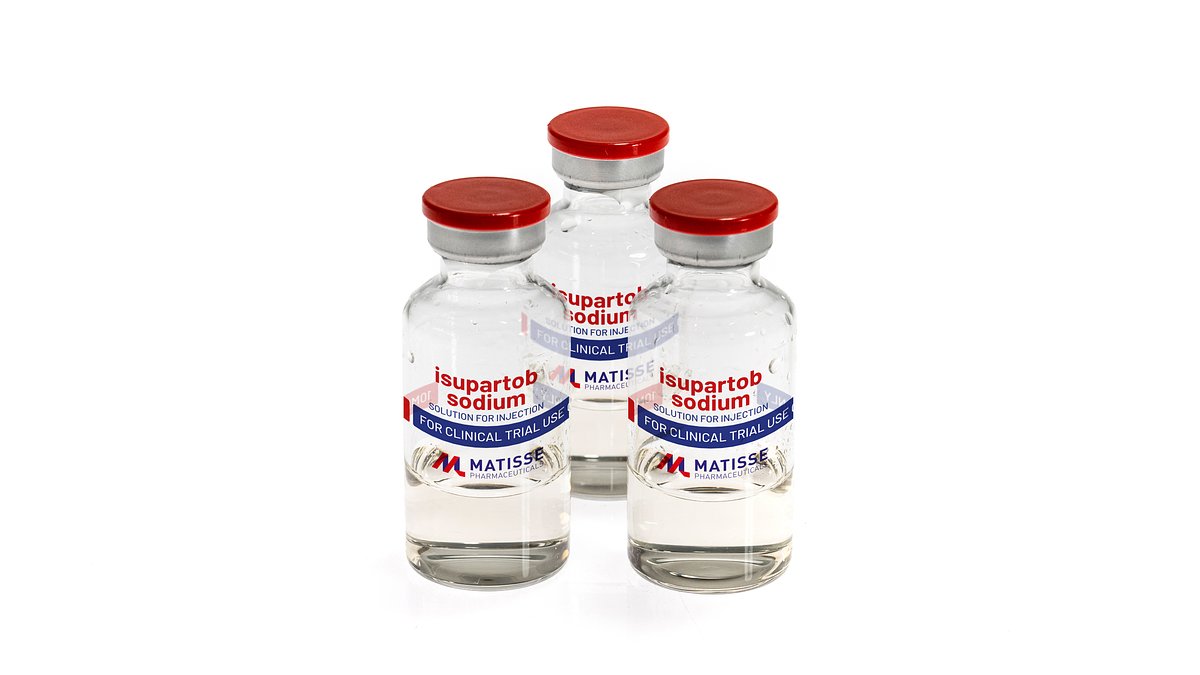
The U.S. Food and Drug Administration (FDA) has rolled out the regulatory equivalent of a high-speed lane for a promising new drug, isupartob sodium, granting it Fast Track Designation. The compound, developed by the Dutch clinical-stage company Matisse Pharmaceuticals, targets sepsis—a relentless and often fatal condition that has stumped medical science for decades. While the designation is a significant milestone for the company, it also shines a light on the intricate, often invisible infrastructures that govern both modern medicine and the diseases it seeks to conquer.
This isn't just a story about a new drug. It's about a novel strategy to dismantle a biological cascade of self-destruction and the regulatory framework designed to accelerate potential breakthroughs for the most desperate of medical needs. For the 49 million people affected by sepsis annually, this acceleration can't come soon enough.
The Unseen Enemy: Sepsis's Staggering Toll
Sepsis is not a specific disease, but a catastrophic system failure. It’s the body’s dysregulated, life-threatening response to an infection, where the immune system, in its frantic effort to fight pathogens, turns on its own tissues and organs. The result is a domino effect of inflammation, organ damage, and, for an estimated 11 million people each year, death.
Despite its prevalence—being the most common cause of in-hospital deaths and costing the U.S. healthcare system over $62 billion annually—there is no targeted therapy approved to fight it. For decades, the frontline of sepsis care has been a battle of containment rather than a cure. Doctors deploy a standardized arsenal: rapid administration of broad-spectrum antibiotics, massive fluid resuscitation to maintain blood pressure, and life support systems like ventilators and dialysis to manage failing organs. This approach is supportive, not curative. It manages the symptoms while hoping the body can recover from the underlying assault.
The challenge in developing a targeted therapy lies in the condition's complexity. Sepsis is notoriously heterogeneous, varying wildly based on the patient, the source of infection, and the specific immune response. The window for effective intervention is incredibly narrow, often closing before a clear diagnosis is even made. This has created a graveyard of failed clinical trials for drugs that targeted a single pathway in this multifaceted syndrome.
A New Strategy: Targeting Sepsis's Self-Destruct Mechanism
Matisse Pharmaceuticals is betting on a different approach, moving upstream to target a key driver of the chaos. Their strategy is based on a specific discovery: in sepsis patients, the immune system releases a flood of proteins called histones into the bloodstream. While histones are essential for organizing DNA within our cells, they are highly toxic when they escape into circulation.
These extracellular histones act like cellular saboteurs, damaging cell membranes and triggering more inflammation. This leads to the death of more cells, which in turn release more histones, creating what the company describes as a “self-enforcing cascade” that accelerates organ failure. Isupartob sodium is designed to be a circuit breaker for this deadly feedback loop.
The drug, a highly negatively charged molecule, acts like a magnet for the positively charged toxic histones. By binding to and neutralizing them, isupartob aims to halt the cascade before it causes irreparable damage. This approach doesn't target a single inflammatory cytokine or bacterial toxin but instead disables a core mechanism of the host’s own destructive response. It’s an elegant attempt to restore order by neutralizing the body's own rogue agents.
The Fast Track Infrastructure: Accelerating Hope Through Regulation
The science is promising, but navigating the path from lab to patient requires mastering another complex system: the regulatory infrastructure. The FDA's Fast Track Designation, granted to Matisse just weeks after the company received Investigational New Drug (IND) clearance, is a critical validation of this potential.
Fast Track is more than a label; it is a suite of tools designed to expedite the development and review of drugs for serious conditions with significant unmet medical needs. For a company like Matisse, this means more frequent meetings and communication with the FDA, offering guidance on clinical trial design and data collection. It also opens the door for a “rolling review,” where the company can submit sections of its final application as they are completed, rather than waiting until the end of a years-long process. This can shave precious time off the final review period.
“The FDA’s grant of Fast Track Designation recognizes the substantial unmet medical need in sepsis and provides an important external validation that our currently available data show the potential to target that need,” said Marcel Jacobs, Chief Executive Officer of Matisse Pharmaceuticals, in a statement. “This designation reinforces our commitment to advancing isupartob for patients with limited therapeutic options.”
For a clinical-stage biotech, this designation is also a powerful financial catalyst. It signals to investors that the agency sees promise, which can unlock the capital needed to fund expensive late-stage clinical trials. Historically, Fast Track announcements have been linked to significant increases in company valuation, demonstrating how regulatory validation serves as crucial infrastructure for innovation in the high-risk, high-reward world of drug development.
The Path Ahead for Matisse
Founded in 2014, Matisse Pharmaceuticals has dedicated itself to the niche but critical area of diseases driven by cytotoxic histones. With IND clearance received on May 19th and Fast Track granted on June 9th, the company is moving with remarkable speed. The next and most crucial step is to prove isupartob's safety and efficacy in human clinical trials.
The competitive landscape for sepsis is littered with failures, a testament to the disease's complexity. But the absence of any approved targeted therapy means the field is wide open for a truly innovative approach. By focusing on the foundational mechanism of histone toxicity and leveraging the regulatory infrastructure designed to speed promising therapies, Matisse is charting a new course in the long and arduous fight against sepsis. The world of critical care will be watching closely as the company attempts to turn this scientific insight into a life-saving reality.