
- Search Volume Surge: The term "Gumitide scam" has exploded in search volume, indicating widespread consumer concern. - Counterfeit Marketplaces: Fraudulent Gumitide products are found on major platforms like Amazon, eBay, Walmart.com, and TikTok Shop. - Subscription Traps: Scammers use deceptive "free trial" offers with hidden subscription fees, affecting numerous consumers.
Experts agree that the "Gumitide scam" narrative stems primarily from counterfeit products exploiting the brand's popularity, not the legitimate manufacturer's offerings.
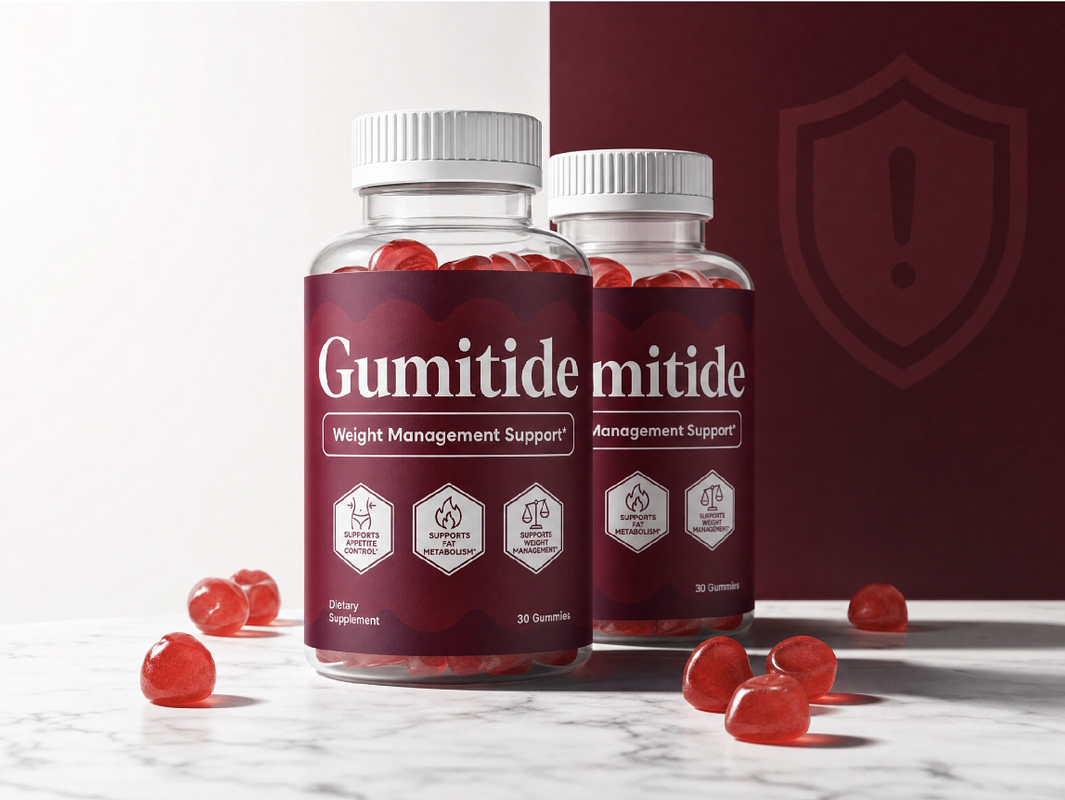
Gumitide Under Siege: How Digital Counterfeits Fueled a 'Scam' Narrative
NEW YORK, NY – June 09, 2026 – In the engine room of our news intelligence platform, we track the signals that reveal a story before it fully breaks. For months, we've watched a signal cluster gain strength around a single keyword: "Gumitide scam." The term has exploded in search volume, painting a target on a popular wellness gummy. But as with any complex system, the surface-level data tells an incomplete story. The real narrative isn't about one product; it's about the weaponization of brand popularity and the industrial-scale architecture of digital fraud.
Our investigation reveals a stark dichotomy: a legitimate company operating with a direct-to-consumer model, and a parasitic shadow market of counterfeiters exploiting its name across the web's largest marketplaces. The overwhelming majority of consumer complaints—ranging from billing issues to receiving useless, potentially dangerous products—trace back not to the authentic manufacturer, but to this fraudulent ecosystem. This is the story of a brand under siege, and a crucial lesson in digital self-defense for every consumer.
The Anatomy of a Digital Deception
To understand the Gumitide controversy, you must first understand the machinery of modern e-commerce fraud. The legitimate manufacturer of Gumitide, a supplement combining apple cider vinegar (ACV) and beta-hydroxybutyrate (BHB) ketones, made a strategic choice: sell exclusively through their official website. This direct-to-consumer (DTC) model is an attempt to build a secure channel, controlling quality, pricing, and the customer experience from end to end.
However, the brand's rapid popularity, driven by social media, created a vacuum that counterfeiters rushed to fill. These fraudulent operators are not amateurs; they are sophisticated actors who have reverse-engineered the pathways of online commerce. Our investigation confirms their presence on Amazon, eBay, Walmart.com, and TikTok Shop—precisely the places the authentic product is not sold.
Their tactics are a masterclass in deception:
- Targeted Ad Interception: Scammers buy ads that target users searching for "Gumitide." These ads lead to convincing clone websites, often with URLs that are just one or two characters off the official domain, designed to fool hurried consumers.
- Fabricated Endorsements: They create fake testimonials, using AI-generated videos and stolen images. They've been known to fabricate endorsements from celebrities and wellness influencers who have no connection to the product, lending a false air of credibility.
- Subscription Traps: One of the most pernicious tactics is the "free trial" or "pay only shipping" offer. Buried in fine print, or enabled by pre-checked boxes, are terms that enroll the victim in a costly monthly subscription. When the consumer tries to cancel, the fraudulent website has often vanished, leaving them to battle with their credit card company.
The authentic manufacturer, by contrast, operates on a simple, one-time purchase model. There are no hidden fees, no auto-enrollment schemes. The presence of any such offer is a definitive red flag, a clear signal that you've strayed from the official channel and into a scammer's territory.
Decoding the Formula: Science vs. Hype
The second layer of this deception lies in the science of the product itself. Authentic Gumitide is formulated with ACV, which studies suggest can offer modest support for digestion and appetite regulation, and BHB ketones, an alternative energy source for the body. The manufacturer positions the product as a supportive tool within a broader healthy lifestyle.
This nuanced reality is a vulnerability that counterfeiters exploit. They take the kernel of scientific truth and inflate it into a mountain of hype. Where the legitimate company talks about "metabolic support," scammers promise "miraculous overnight weight loss." This gap between expectation and reality is a primary source of frustration. Consumers who buy a legitimate product based on fraudulent claims are understandably disappointed when they don't achieve impossible results, leading them to label the product itself a "scam."
Health experts we consulted confirmed this dynamic. While acknowledging the potential compliance benefits of a palatable gummy format, they universally caution that no supplement is a magic bullet. "Supplements are meant to complement diet and exercise, not replace them," one nutritionist stated. "The exaggerated claims surrounding products like this are a disservice to consumers and undermine the legitimate role supplements can play."
The danger escalates dramatically with counterfeit products. These are not simply ineffective; they are unregulated and potentially hazardous. Manufactured in facilities with no oversight, they can contain anything from fillers like sugar and starch to undisclosed allergens, heavy metals, or even illegal pharmaceutical compounds. The safety profile of a fake Gumitide gummy is a complete unknown.
A Brand's War on Fakes: The Challenge of Authenticity
From the perspective of a builder, the Gumitide situation is a case study in defending a system against a persistent, decentralized attack. The legitimate manufacturer is engaged in a costly war on two fronts: protecting its customers from harm and its brand from reputational ruin. Every dollar spent on legal action against counterfeiters or on marketing campaigns to educate the public about fakes is a dollar diverted from research and development.
The DTC model is the brand's primary fortress. By maintaining a single, verified point of sale, they create a clear line between what is real and what is fake. However, in the sprawling, largely ungoverned territory of the internet, this fortress is constantly being assailed. The economic impact is significant, eroding trust not just in one brand but in the entire supplement industry.
This problem is not unique to Gumitide. It is a systemic issue facing any successful brand in the digital age. The very platforms that enable a brand to reach a global audience also provide the infrastructure for counterfeiters to thrive. Greater platform accountability and more robust verification technologies, such as blockchain-based supply chain tracking, may offer future solutions. For now, the primary line of defense remains an educated and vigilant consumer base.
Your Shield: A Consumer's Guide to Authenticity
Navigating this marketplace doesn't have to be a gamble. Protecting yourself requires vigilance and adherence to a simple set of rules. Treat any offer for Gumitide with skepticism until it is verified.
Here are the critical red flags that signal a counterfeit source:
- The Platform: If you see Gumitide for sale on Amazon, eBay, Walmart.com, TikTok Shop, or any third-party marketplace, it is unauthorized. The only verified source is the official manufacturer's website.
- The Price: Authentic Gumitide is made in GMP-certified facilities, which entails costs. If you find a deal that seems too good to be true—offering massive discounts or clearance prices—it is almost certainly for a counterfeit product.
- The Offer: Any mention of a "free trial," "risk-free bottle," or subscription-based billing model is a hallmark of a scam. The official company only processes straightforward, one-time purchases.
- The Claims: Be wary of sensationalist language. Promises of dramatic, effortless weight loss are the territory of deceptive marketers, not the legitimate manufacturer.
Ultimately, the only guaranteed method for ensuring you receive the authentic, quality-controlled product is to purchase it directly from the source. The time it takes to verify the website URL and ensure you are in the official channel is your best investment against financial loss and potential health risks.
This ongoing battle over authenticity is a defining challenge of our digital era. The systems we build for commerce and communication are powerful, but they remain vulnerable. As consumers and builders, our greatest strength is shared intelligence and a collective commitment to verification, ensuring that trust, not deception, is the ultimate currency.