
- 65 years: The deep freeze was one of the longest in 65 years, testing the resilience of renewable diesel.
- 50% to 85%: Renewable diesel reduces lifecycle greenhouse gas emissions by 50% to 85% compared to conventional diesel.
- -40°F: Some renewable diesel formulations have pour points as low as -40°F, preventing fuel-line blockages in extreme cold.
Experts would likely conclude that renewable diesel has proven its reliability and environmental benefits under extreme conditions, making it a viable bridging solution for decarbonizing heavy-duty fleets while battery technology advances.
Green Fuel's Winter Win: Renewable Diesel Powers NYC Through Deep Freeze
BROOKLYN, NY – February 20, 2026 – As New York City weathered one of its most significant deep freezes in over six decades, the familiar roar of sanitation trucks clearing snow-dusted streets signaled more than just business as usual. It marked a quiet but critical victory for the city's ambitious climate goals. The fleet, powered by renewable diesel, operated without a single fuel-related disruption, providing a powerful real-world validation for the green fuel's performance under the most punishing conditions.
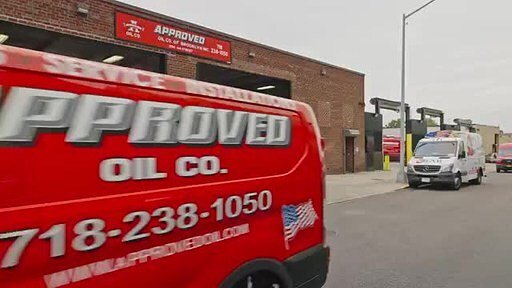
Approved Oil Company of Brooklyn, Inc., the supplier behind this crucial operation, confirmed today that its renewable diesel (RD) deliveries to the New York City Department of Sanitation (DSNY) and other city agencies performed flawlessly. The successful deployment through the historic cold snap demonstrates that the city can pursue aggressive decarbonization strategies without compromising the reliability of its most essential services.
A Trial by Ice: A Historic Freeze Puts a New Fuel to the Test
The winter of 2025-2026 delivered a shock to a city that had grown accustomed to milder seasons. After several of the warmest winters on record, early February brought a sustained and severe cold spell. Meteorologists noted this period of sub-freezing temperatures was on track to become one of the longest in 65 years, presenting an unprecedented operational challenge for municipal infrastructure.
For any diesel-powered fleet, such extreme cold is the ultimate test. Conventional diesel fuels can begin to 'gel' in sub-freezing temperatures as wax crystals form, a phenomenon that can clog fuel filters and bring engines to a grinding halt. This risk is a major concern for critical services like the DSNY, whose vehicles must be ready to respond to snowstorms and maintain collection routes regardless of the weather. This historic freeze, therefore, became an involuntary, large-scale trial for the renewable diesel adopted by the city as part of its climate initiatives.
The Science of Resilience: What is Renewable Diesel?
Key to this winter's success story is the unique chemical nature of renewable diesel. Often confused with biodiesel, RD is a fundamentally different product. Produced through a hydrotreating process using feedstocks like used cooking oil and agricultural waste, renewable diesel is chemically identical to petroleum diesel. This 'drop-in' capability means it can be used in any modern diesel engine without modifications or blending, providing a seamless transition for large fleets.
Its most significant advantage in this context is its exceptional cold-weather performance. Unlike biodiesel, which can have a higher cloud point and be prone to gelling, renewable diesel boasts a very low cloud point, with some formulations having pour points as low as -40°F. This inherent resistance to cold prevents the fuel-line blockages that can sideline heavy-duty vehicles, a property that proved invaluable during the recent deep freeze.
Beyond its operational resilience, renewable diesel delivers substantial environmental benefits. According to data from the U.S. Department of Energy and the EPA, RD can reduce lifecycle greenhouse gas emissions by 50% to 85% compared to its fossil-fuel counterpart. It also burns cleaner, significantly cutting tailpipe emissions of particulate matter (soot) by up to 30% and carbon monoxide, improving local air quality in dense urban environments.
Keeping the City Moving
During the city's most challenging weather event in years, Approved Oil's logistical operation was in high gear. The company reported that its team of more than 75 drivers and operations personnel worked around the clock to maintain a continuous supply of renewable diesel. A sophisticated terminal management system spanning three states ensured that DSNY's snowplows, collection vehicles, and other critical equipment were fueled and ready.
"This winter was a real-world validation of renewable diesel under extreme conditions," said Vincent Theurer, CEO & President of Approved Oil, in a statement. "From both a procurement and operations standpoint, RD performed exactly as required — delivering emissions reductions while maintaining the reliability and resiliency essential to City operations."
The demand was not limited to transportation. The extreme cold also strained the natural gas supply, leading to increased demand for heating oil at some of New York's most critical facilities. Approved Oil also stepped in to manage this surge, ensuring that major hospitals, universities, and large residential complexes remained warm and operational throughout the power and supply interruptions.
A Milestone for New York's Climate Ambitions
The flawless performance of renewable diesel is more than just an operational footnote; it represents a major milestone for New York City's ambitious environmental agenda. Under its "Clean Fleet" initiative and broader PlaNYC strategy, the city is committed to achieving carbon neutrality by 2050. While electrification is a key part of this plan, renewable diesel serves as an indispensable bridging solution for the heavy-duty sector, where battery technology is not yet viable for all applications.
By proving that a lower-carbon fuel can perform reliably in a crisis, the city and its partners have dismantled a significant barrier to wider adoption. The success of the DSNY fleet serves as a powerful case study for other municipalities, transit authorities, and logistics companies looking to decarbonize their operations without risking performance.
With this real-world test passed with flying colors, the path is clearer for expanding the use of renewable fuels. Approved Oil has stated it is continuing to enhance its infrastructure and supply capabilities to meet the growing demand from both public and private sectors, helping to power the Northeast's transition to a more sustainable and resilient energy future.