
- Launch Date: April 20, 2026
- Current Weekly Guests: Over 40,000 in California
- Revenue Potential: Some ghost kitchens generate $6M–$9M annually
Experts view goop kitchen's NYC launch as a high-stakes test of whether its premium delivery model can succeed in a competitive, discerning market, leveraging celebrity appeal and meticulous culinary engineering to differentiate itself.
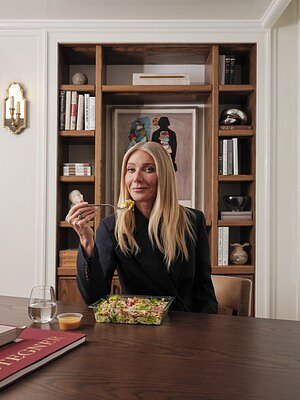
Goop Kitchen Hits NYC: Can Paltrow's Empire Win the Delivery Wars?
NEW YORK, NY – April 17, 2026 – By Alexander Harris
Gwyneth Paltrow’s wellness and lifestyle empire, goop, is making its boldest culinary move yet. On April 20, goop kitchen, the brand's upscale, delivery-focused restaurant concept, will launch its first New York City location, marking a critical test of its business model in one of the world's most demanding food markets. The initial outpost, a delivery-only “dark kitchen” in Midtown West, signifies the brand’s first expansion beyond its native California and the start of an ambitious plan to double its national footprint within the year.
The venture wagers that its unique formula—marrying celebrity wellness ethos with Michelin-star culinary techniques and a logistics model built obsessively around delivery—can conquer the city that never sleeps, and rarely stops ordering in. As the brand plants its flag in Manhattan, the question isn't just whether New Yorkers will buy what goop is selling, but whether a delivery service can truly deliver a high-end, 'clean' dining experience without compromise.
A Personal Homecoming and a Calculated Gamble
For founder Gwyneth Paltrow, the New York launch is both a strategic business expansion and a personal return. "New York felt like a very natural next step for us," Paltrow stated. "In the city that raised me and refined my palate, this milestone feels deeply personal. I'm thrilled to finally be here."
This personal connection is the cornerstone of the brand's New York debut, which is being supported by its first major brand campaign, titled 'Made for New York.' The campaign features Paltrow alongside local figures like WNBA star Jonquel Jones and New York City Ballet principal dancer Jovani Furlan, aiming to weave the brand into the fabric of the city's high-paced culture. This strategy leverages Paltrow’s star power and the broader goop brand—a name synonymous with a specific, aspirational wellness lifestyle—to cut through the noise of a saturated market. The goal is to present goop kitchen not merely as another food option, but as a lifestyle choice perfectly aligned with the city's demanding pace.
However, entering New York means stepping into a culinary arena with a notoriously discerning audience. While the goop brand provides immense initial visibility, it also invites intense scrutiny. The company is betting that the substance of its operation will win over even the most skeptical customers. "We've spent the past several years building and refining a model designed specifically for delivery, and the performance we've seen gives us real confidence in its ability to scale," said CEO Donald Moore, pointing to the brand's strong repeat business and its current rate of serving over 40,000 guests weekly in California.
Engineering the Perfect Delivery
What truly sets goop kitchen apart is its foundational premise: it was built from the ground up for delivery. This isn't a traditional restaurant that started offering takeout; it's a culinary-logistics operation where the final, at-home experience dictates every decision, from ingredient sourcing to packaging design.
The menu is the domain of Chef Kim Floresca, VP of Culinary, whose resume includes stints at world-renowned, Michelin-starred kitchens like Per Se and El Bulli. Floresca has translated her fine-dining background into creating 'clean' food that travels well. The menu is entirely free of gluten, refined sugars, seed oils, and preservatives. Dishes undergo dozens of iterations and are subjected to rigorous 'real-world' testing, often left to sit for up to 45 minutes to mimic delivery times before being tasted for quality.
This meticulous process has produced a menu featuring items like the G-Potle Taco Crunch Bowl and a miso salmon bento box, all designed to maintain their integrity. The packaging is just as engineered, with custom-designed containers featuring built-in compartments for dressings to prevent sogginess and generously sized salad bowls that allow for mixing at home. This obsessive attention to detail aims to solve the most common complaint of food delivery: a final product that is a pale, lukewarm imitation of what left the kitchen.
The operational model has proven highly effective in California, where some of its 700-square-foot ghost kitchens are reportedly generating between $6 million and $9 million in annual revenue. This efficiency is further enhanced by technology, including AI-powered demand forecasting software that optimizes inventory and reduces food waste, directly improving the company's bottom line and sustainability credentials.
The Battle for New York's Healthy Palate
Despite its proven model, goop kitchen enters a fiercely competitive landscape. New York's healthy food delivery scene is already populated by established players, from fast-casual giants like Sweetgreen to prepared meal services like Cook Unity and Sakara Life, all vying for the loyalty of health-conscious, time-poor New Yorkers.
Goop kitchen aims to carve out a distinct niche. It’s not just 'healthy'; it's 'goop clean,' a specific and strict set of dietary standards that appeals to a dedicated wellness-oriented demographic. The brand combines the convenience of quick-service with the culinary pedigree of a chef-driven restaurant, a hybrid that few competitors can claim. While others offer healthy options, goop kitchen’s entire menu is built on a consistent food philosophy, promising a reliable, high-quality experience with every order.
The initial launch from Midtown West will serve adjacent neighborhoods, with plans for more locations across Manhattan and Brooklyn to follow throughout 2026. Some of these future locations will also offer takeout and limited dine-in options, showing a flexible approach to the brand's 'dark kitchen' model. This phased rollout will allow the company to fine-tune its operations and supply chain for the unique logistical challenges of New York City, a market where success could pave the way for a truly national presence.