
- 79,000 residents across six cities were evacuated due to the chemical emergency at GKN Aerospace.
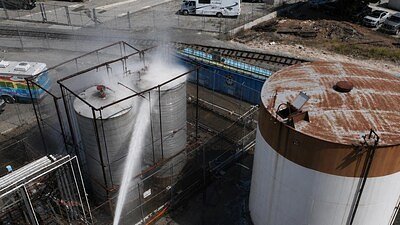
- 34,000-gallon tank of methyl methacrylate (MMA) overheated due to a malfunctioning valve, triggering the crisis.
- 10 OSHA citations issued to the facility since 2018, including failures in equipment inspection and safety procedures.
Experts would likely conclude that the GKN Aerospace incident was preventable, given the facility's documented history of safety violations and systemic failures, and that the company bears significant responsibility for the community's displacement and health risks.
GKN Leak Exposes Troubled Safety Record, Ignites Legal Firestorm
GARDEN GROVE, CA – May 29, 2026 – While the last of the mandatory evacuation orders have been lifted, a sense of profound unease lingers over Orange County. For days, the lives of up to 79,000 residents across six cities were upended by a chemical emergency at the GKN Aerospace facility in Garden Grove. Now, as families return to their homes, a clearer picture is emerging of not just the incident itself, but of a troubling history of safety violations that may have set the stage for the disaster. In response, a legal firestorm is brewing, with personal injury firms like Sweet James Accident Attorneys stepping in to offer legal counsel to the thousands impacted.
The crisis began on May 21, when a 34,000-gallon tank containing methyl methacrylate (MMA) began to dangerously overheat due to a malfunctioning valve. The risk of a catastrophic explosion or toxic release prompted Governor Gavin Newsom to declare a state of emergency, triggering mass evacuations in Garden Grove, Cypress, Stanton, Anaheim, Buena Park, and Westminster. As the community grapples with the aftermath, questions are turning from the immediate danger to long-term accountability.
A Community Displaced and on Edge
The scale of the disruption was immense. Schools closed, businesses shuttered, and thousands of families scrambled to find temporary shelter, facing unexpected costs for hotels, food, and transportation. Though officials from the unified command declared the immediate risk of explosion or fire had passed by May 26, the emotional and financial toll continues to mount. A 300-foot hazard zone remains in place around the compromised tank, a stark reminder of the recent peril.
Health concerns are paramount for many residents. Methyl methacrylate, a volatile liquid used in plastics manufacturing, can cause a range of symptoms upon exposure. Health officials warned of respiratory irritation, burning eyes, headaches, and nausea from inhaling the vapors. The long-term effects, which can include skin allergies and potential damage to the nervous system, remain a significant source of anxiety for those who live and work near the facility.
Residents returning home now face uncertainty over potential property contamination, spoiled belongings left behind in the rush to evacuate, and the lingering fear of what could have been. The incident has shattered the community's sense of safety, replacing it with a demand for answers and restitution.
A Pattern of Warnings Ignored
Scrutiny is falling heavily on GKN Aerospace's operational history, and public records paint a disturbing picture. The Garden Grove facility, a key manufacturer of aerospace components for military and commercial aircraft, has a long and documented history of federal and state safety and environmental violations. This record suggests the May 21 emergency was not an unforeseeable accident, but a potential culmination of systemic failures.
Since 2018, the federal Occupational Safety and Health Administration (OSHA) inspected the facility four times, issuing ten citations for safety violations. These included failures related to proper equipment inspection and operational safety procedures—the very issues now at the heart of the investigation into the overheated tank. Even more damning, a 2018 citation from California's Department of Industrial Relations specifically flagged GKN for improperly cooling and covering its chemical storage tanks. This historical failure directly mirrors the circumstances that led to the recent county-wide emergency.
The company's environmental compliance has also been repeatedly called into question. In 2021, GKN Aerospace paid nearly $1 million to the South Coast Air Quality Management District (SCAQMD) for violations that included operating equipment without a permit. As recently as early 2025, the company settled another case with the SCAQMD for over $900,000 for air quality violations, including using chemicals beyond permitted limits and failing to maintain proper emission records.
This pattern has prompted legal advocates to demand greater transparency. Sweet James Accident Attorneys has formally petitioned OSHA and the California Attorney General to release GKN Aerospace's complete inspection history.
"GKN Aerospace's facility had documented federal safety violations before this emergency occurred, including equipment inspection failures directly tied to the type of issue now under investigation," said James Bergener, Founder of Sweet James. "Families deserve transparency, answers, and a full understanding of what may have contributed to this chemical emergency."
The Coming Legal Storm
In the wake of the crisis, the legal battle for Garden Grove has already begun. Multiple law firms have announced investigations and filed class-action lawsuits against GKN Aerospace and its parent company, Melrose Industries. These suits allege a range of liabilities, including negligence, public and private nuisance, and strict liability for engaging in an ultrahazardous activity.
Firms are seeking comprehensive compensation for affected residents and businesses. Under California law, those impacted by such an incident may be entitled to damages for a wide array of losses, including:
- Reimbursement for hotel, food, and other evacuation-related expenses.
- Lost wages and income for individuals and disrupted revenue for businesses.
- Current and future medical expenses, including costs for monitoring long-term health effects of MMA exposure.
- Compensation for property damage and potential diminished property values.
- Damages for the emotional distress and loss of use and enjoyment of their homes.
Attorneys are drawing parallels to other major industrial disasters in California, such as the 2015 Porter Ranch gas leak, which resulted in a $1.8 billion settlement for residents. The GKN Aerospace incident is being framed as another case where corporate negligence has imposed a heavy burden on a community. With a two-year statute of limitations for personal injury claims in California, residents are being urged to document their losses and seek legal advice promptly.
As residents try to resume their normal lives, official investigations are also ramping up. Both the Orange County District Attorney's office and Governor Newsom have launched reviews into the incident and GKN's safety record. For the thousands of people across Orange County whose lives were thrown into chaos, the lifting of evacuation orders marks not an end, but the beginning of a long and arduous fight for justice and accountability.